

Historical dramas often revisit well-known figures, but few attempt to humanize them in their formative years. Young Washington (2026) does exactly that offering a deeply immersive look into the early life of George Washington before he became a symbol of leadership and independence.
The official trailer, released by Angel Studios in collaboration with Wonder Project, sets the tone for what appears to be a gripping, character-driven narrative. Rather than glorifying Washington as an untouchable icon, the film explores his vulnerabilities, ambitions, and moral dilemmas during the volatile era of the American Revolutionary War.
Trailer Breakdown: Tone, Themes, and Visual Identity
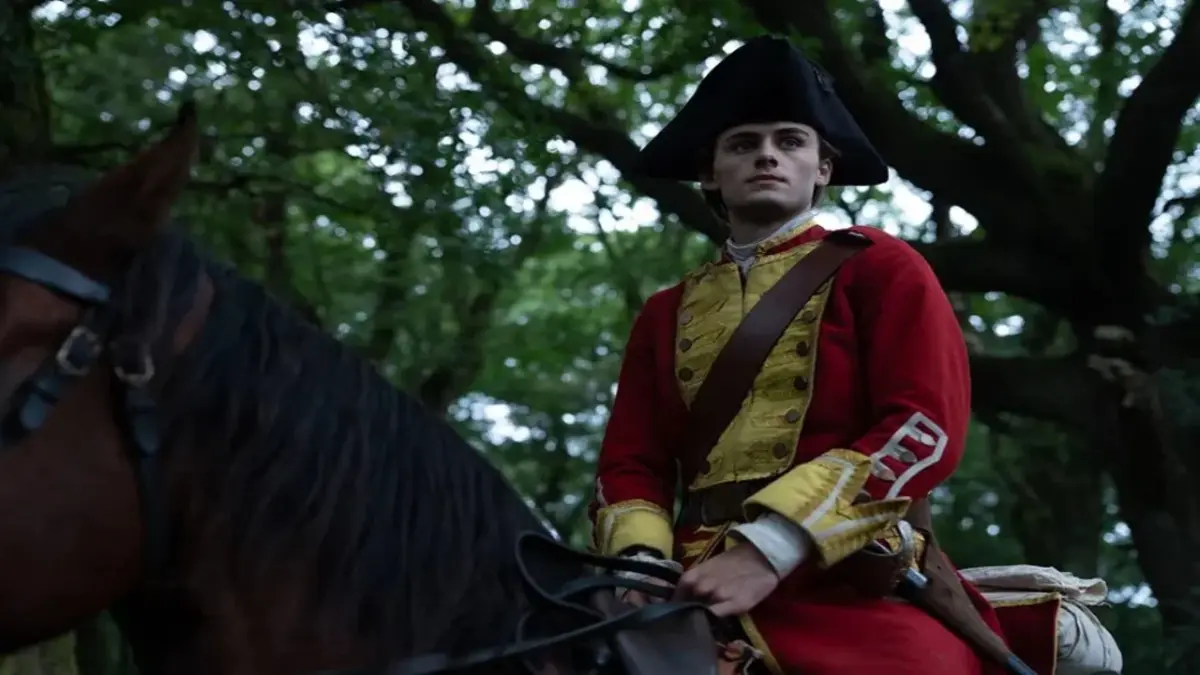
From the very first frame, the trailer establishes a somber yet determined tone. The lush green forests, dim lighting, and authentic period costumes immediately ground viewers in 18th-century America.
The cinematography leans heavily on natural lighting and earthy tones, creating a sense of realism rarely seen in mainstream historical films. The young Washington is portrayed not as a finished hero but as a man in the making uncertain, driven, and often conflicted.
Key Observations from the Trailer:
- Visual Authenticity: The costumes and settings reflect meticulous research into Revolutionary-era America.
- Emotional Depth: Close-up shots emphasize internal conflict rather than external spectacle.
- Symbolic Imagery: Horses, forests, and battle preparations hint at transformation and destiny.
The trailer avoids overusing action sequences. Instead, it focuses on character-building moments, suggesting that Young Washington will prioritize storytelling over spectacle.
The Story: More Than Just a War Film
At its core, Young Washington (2026) is not just about war it’s about identity, leadership, and the burden of responsibility.
The narrative appears to center on Washington’s early military experiences, including his struggles with authority, loyalty, and personal ambition. It captures a time when America was still an idea rather than a nation.
Central Themes Explored:
- Leadership Under Pressure
- Moral Conflict in War
- The Making of a National Identity
- Personal Sacrifice vs. Public Duty
Unlike traditional war films, this one seems to focus on the psychological journey of its protagonist. It asks an important question: What shapes a leader before history remembers them?
Why This Film Matters in 2026
In today’s cinematic landscape, audiences are increasingly drawn to stories that offer depth and authenticity. Young Washington aligns perfectly with this trend by presenting a nuanced portrayal of a historical figure often simplified in textbooks.
The film also arrives at a time when discussions about leadership, nationhood, and identity are more relevant than ever. By revisiting the origins of American independence, it invites viewers to reflect on contemporary issues through a historical lens.
Performances and Character Development
Although the trailer keeps specific casting details minimal, the actor portraying Washington delivers a compelling performance. His restrained expressions and commanding presence suggest a character who is constantly evolving.
What stands out is the emphasis on subtlety. Instead of dramatic monologues, the film relies on quiet moments glances, pauses, and decisions to convey emotion.
This approach not only enhances realism but also allows audiences to connect more deeply with the character.
Cinematic Style and Direction
The direction appears to take inspiration from modern historical dramas that prioritize realism over dramatization. The pacing of the trailer suggests a slow-burn narrative, building tension gradually rather than relying on sudden climaxes.
Technical Highlights:
- Natural Lighting Techniques
- Handheld Camera Work for Immersion
- Detailed Set Design Reflecting Colonial America
The film’s visual language speaks volumes. Every frame feels intentional, contributing to an overarching sense of authenticity.
Historical Accuracy vs. Creative Interpretation
One of the biggest challenges for any historical film is balancing accuracy with storytelling. Young Washington seems to navigate this balance carefully.
While the trailer emphasizes realism, it also hints at dramatized elements designed to enhance emotional engagement. This is not unusual after all, cinema thrives on storytelling.
However, the commitment to period detail suggests that the filmmakers have made a genuine effort to respect historical context.
Audience Expectations and Market Position
The film targets a broad audience:
- History enthusiasts
- Fans of character-driven dramas
- Viewers interested in biographical storytelling
Unlike action-heavy war films, this one appeals to those who appreciate depth and nuance. Its release on July 3 is strategically timed, aligning with American Independence celebrations an ideal window for maximum engagement.
Strengths Highlighted in the Trailer
- Strong character focus
- High production quality
- Emotional storytelling
- Historical relevance
Potential Challenges
- Slower pacing may not appeal to all viewers
- Limited action sequences compared to mainstream war films
However, these “challenges” could also become strengths, depending on audience expectations.
Final Thought
Young Washington (2026) feels less like a conventional historical drama and more like a thoughtful character study of George Washington at a defining moment in his life. By focusing on his early struggles, doubts, and decisions during the American Revolutionary War, the film promises a more human and relatable portrayal of a figure often seen only through the lens of legend.
If the full film delivers on the emotional depth and visual authenticity teased in the trailer, it could stand out as one of the most compelling historical releases of 2026. For viewers who appreciate layered storytelling, grounded performances, and meaningful narratives, this is a film worth keeping firmly on your watchlist.
SOURCE: Smithsonian Institution, Wikipedia, IMDB, Variety, Rotten Tomatoes, Angel, Wonder project
Keep in Touch For More Updates: www.buzzwithriz.com

1 Comment
Pingback: Passenger (2026) Trailer Breakdown and Movie Analysis