





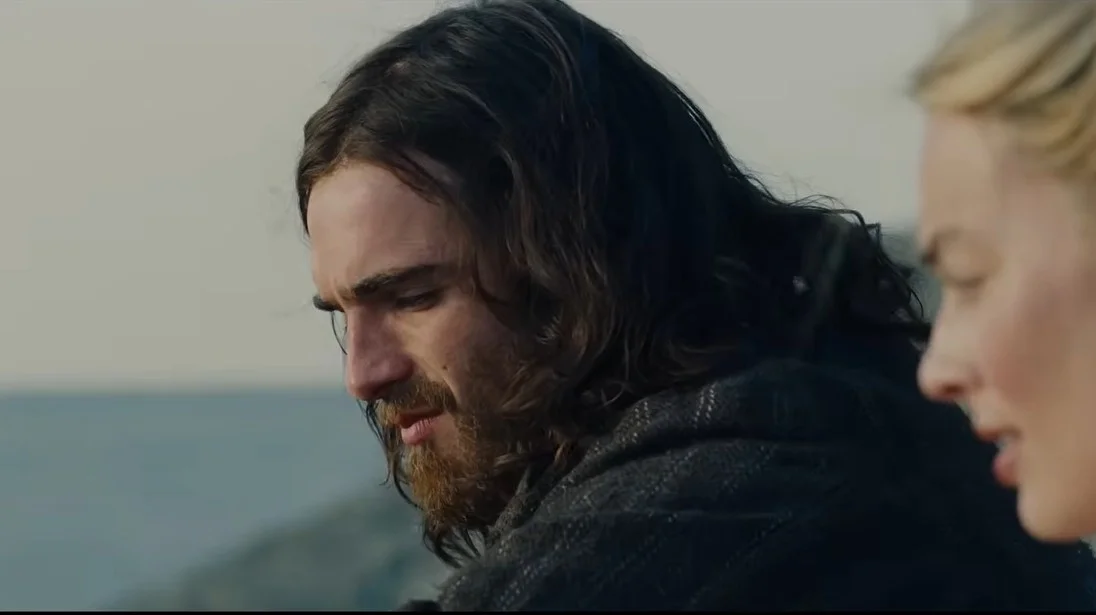
Some stories refuse to age. They evolve, darken, sharpen and Wuthering Heights is one of them.
The newly released exclusive clip from Wuthering Heights is not just another adaptation teaser; it’s a reminder of why Emily Brontë’s singular novel continues to haunt readers, filmmakers, and critics alike. In barely a few minutes of screen time, the clip distills obsession, isolation, and emotional violence into a visual language that feels both reverent to the source material and unmistakably modern.
As a literary critic and long-time observer of period drama adaptations, I’ve watched Wuthering Heights be reinterpreted countless times. Yet this clip stands out not for spectacle, but for restraint. It trusts silence, landscape, and facial expression to do what dialogue often cannot.
This article offers an expert-level cinematic and literary analysis, grounded in adaptation theory, narrative psychology, and cultural relevance crafted for readers who want more than surface-level commentary.
Why Wuthering Heights Still Commands Attention
Published in 1847, Wuthering Heights has never fit neatly into its era. It defied Victorian moral conventions, romantic norms, and narrative expectations. Today, it resonates even more strongly because it interrogates themes that feel profoundly contemporary:
- Emotional dependency
- Toxic love dynamics
- Social alienation
- Trauma passed across generations
- The tension between nature and civilization
The exclusive clip leans into these themes without over-explaining them, making it accessible to new audiences while rewarding long-time readers.
Visual Storytelling: Landscape as Emotional Architecture
One of the most striking elements of the clip is its use of environment as psychology.
The moorland setting bleak, expansive, indifferent does not merely frame the characters; it mirrors their inner lives. This aligns with Brontë’s original vision, where weather and geography function almost as secondary characters.
From a film studies perspective, this approach echoes:
- Romantic Gothic cinema
- Naturalist visual realism
- Minimalist emotional framing
Rather than dramatizing passion through overt gestures, the camera lingers. It waits. It allows discomfort to breathe.
This restraint elevates the clip beyond standard literary adaptation and positions it closer to prestige cinema.

Emotional Minimalism Over Melodrama
One of the most common pitfalls in Wuthering Heights adaptations is excess too much intensity, too much sorrow, too much explanation.
This clip avoids that entirely.
The performances rely on micro-expressions, posture, and silence, trusting the audience to read emotional subtext. This choice reflects a sophisticated understanding of Brontë’s work: the most devastating moments are often the quietest.
From an adaptation standpoint, this is crucial. Wuthering Heights is not a love story in the conventional sense it’s a psychological study of obsession and emotional imprisonment.
Fidelity Without Imitation
A key question with any literary adaptation is: How faithful should it be?
This exclusive clip demonstrates interpretive fidelity rather than literal replication. It honors:
- The novel’s emotional violence
- Its cyclical sense of fate
- Its resistance to moral clarity
But it does so through contemporary cinematic language natural lighting, subdued color grading, and intimate framing.
This balance is what separates enduring adaptations from forgettable ones.
Cultural Relevance in a Modern Context
Why does Wuthering Heights still matter now?
Because modern audiences are increasingly interested in narratives that:
- Challenge romantic idealization
- Examine trauma honestly
- Reject neat emotional resolutions
The clip subtly reframes the story not as a tragic romance, but as a cautionary tale about emotional absolutism. That perspective aligns powerfully with current conversations around mental health, emotional autonomy, and inherited trauma.
Final Verdict: A Promising, Intelligent Reinterpretation
This exclusive Wuthering Heights clip succeeds because it understands something essential: the story does not need embellishment only honesty.
By embracing silence, emotional ambiguity, and visual austerity, it offers a version of Wuthering Heights that feels neither outdated nor overly modernized. Instead, it feels inevitable like the moors themselves.
For readers, cinephiles, and literary purists alike, this adaptation signals a thoughtful return to one of English literature’s most unsettling masterpieces.
Source: Warner Bros, You tube
Keep in Touch For More Updates: www.buzzwithriz.com


1 Comment
Pingback: An Expert Analysis of Netflix's 'Unfamiliar' Trailer - buzzwithriz.com