

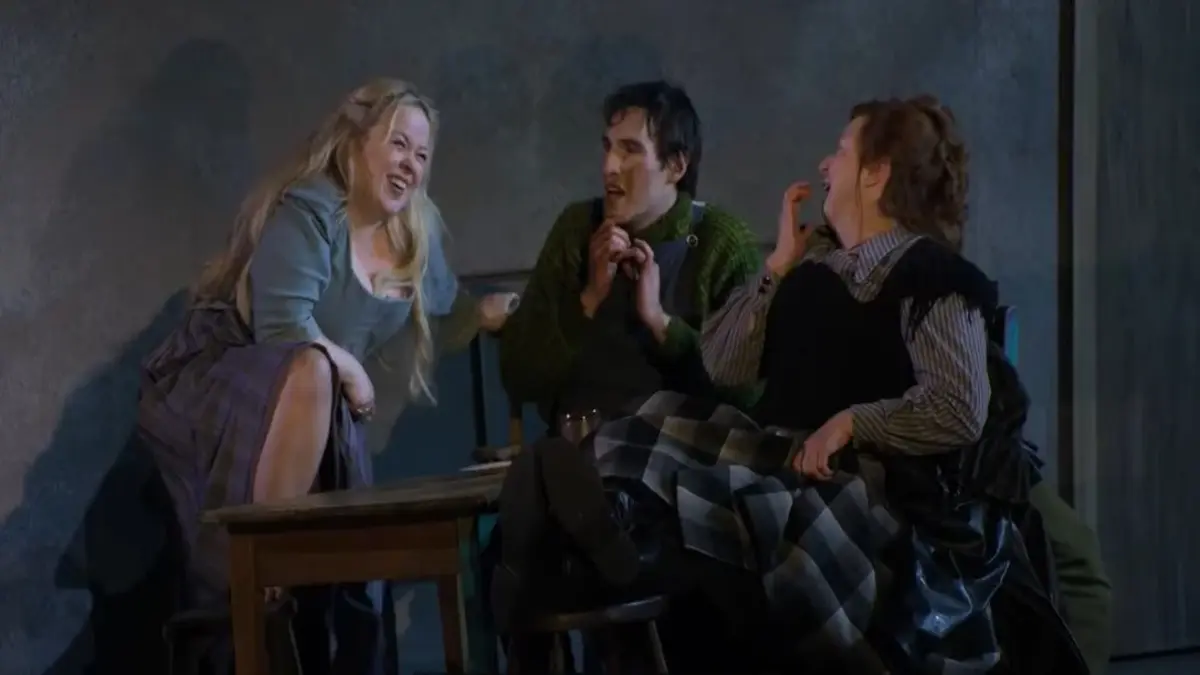
Few plays in theatrical history have stirred as much fascination, controversy, and admiration as The Playboy of the Western World. Written by John Millington Synge, this early 20th-century masterpiece continues to resonate with audiences across generations. Now, through National Theatre Live, the play finds new life on screen, blending traditional stagecraft with cinematic storytelling.
This adaptation is not merely a revival it’s a reinterpretation that speaks to contemporary viewers while preserving the raw emotional core of Synge’s original work. With its exploration of identity, myth-making, and human desire for recognition, the play feels as relevant today as it did over a century ago.
About the Play: Origins and Cultural Significance
First staged in 1907, The Playboy of the Western World sparked riots due to its bold themes and unconventional portrayal of Irish rural life. Synge’s work challenged societal norms, presenting flawed, complex characters rather than romanticized figures.
At its heart, the story follows Christy Mahon, a young man who gains admiration after claiming he killed his father. What begins as a tale of notoriety quickly evolves into a deeper exploration of truth, identity, and the human need for validation.
Why It Still Matters
- Explores the psychology of storytelling and myth
- Challenges moral perceptions
- Reflects rural Irish culture with authenticity
- Examines fame and public perception topics highly relevant in today’s digital age
National Theatre Live: Bringing Stage to Screen
National Theatre Live has revolutionized how global audiences experience theatre. By broadcasting live performances to cinemas worldwide, it bridges the gap between traditional stage productions and modern accessibility.
This adaptation of The Playboy of the Western World exemplifies their commitment to quality storytelling, offering:
- High-definition cinematography
- Intimate close-ups of performances
- Enhanced audience engagement
A Story of Fame, Fantasy, and Reality
Without revealing too much, the narrative centers on Christy Mahon’s arrival in a small Irish village. His shocking confession earns him admiration rather than condemnation, transforming him into a local celebrity.
However, as the truth begins to unravel, the community’s perception shifts dramatically. The play cleverly exposes how quickly society builds and destroys its heroes.
Themes and Analysis
1. The Power of Storytelling
Synge’s play demonstrates how narratives shape identity. Christy becomes a “hero” not because of his actions, but because of how others interpret them.
2. Fame and Public Perception
Long before social media, this play explored viral fame. The villagers’ fascination mirrors today’s obsession with sensational stories.
3. Identity and Transformation
Christy evolves throughout the play, gaining confidence and self-awareness. His journey reflects the universal human desire to be seen and valued.
4. Morality and Ambiguity
The play refuses to offer clear moral judgments, instead presenting a nuanced view of right and wrong.
Performance and Direction
The National Theatre Live production elevates the play through:
- Strong ensemble performances
- Authentic Irish dialect delivery
- Minimalist yet immersive stage design
The actors bring emotional depth and humor, ensuring the story feels both grounded and engaging.
Visual and Cinematic Excellence
Unlike traditional stage experiences, this adaptation uses cinematic techniques to enhance storytelling:
- Close-up shots capture subtle expressions
- Dynamic camera angles add movement
- Lighting design emphasizes mood shifts
This hybrid approach makes the play accessible to both theatre enthusiasts and new audiences.
Strengths of the Adaptation
- Faithful to the original script
- Enhanced accessibility through digital format
- Strong character-driven storytelling
- Relevant themes for modern audiences
Minor Limitations
While the adaptation excels in many areas, some purists may feel that the cinematic approach slightly alters the raw immediacy of live theatre. However, this is a minor trade off for broader accessibility.
Final Thoughts
The Playboy of the Western World remains a powerful exploration of human nature, and this National Theatre Live adaptation proves its enduring relevance. By blending traditional theatre with modern cinematic techniques, it opens the door for a new generation to experience Synge’s genius.
Whether you’re a theatre enthusiast, a literature lover, or simply someone curious about compelling storytelling, this production offers something truly valuable an honest, thought provoking look at how we define ourselves and others.
SOURCE: National Theatre, IMDB, The Guardian, The New York Times
Keep in Touch For More Updates: www.buzzwithriz.com
Table of contents
- About the Play: Origins and Cultural Significance
- Why It Still Matters
- National Theatre Live: Bringing Stage to Screen
- A Story of Fame, Fantasy, and Reality
- Themes and Analysis
- 1. The Power of Storytelling
- 2. Fame and Public Perception
- 3. Identity and Transformation
- 4. Morality and Ambiguity
- Performance and Direction
- Visual and Cinematic Excellence
- Final Thoughts
