




The Morning Show Season 4 You Don’t Own Me scene analysis here, according to my opinion such type f shows not just show it’s a part entertainment but impact individual life too.
Some television scenes entertain. Others linger.
The “You Don’t Own Me” moment in The Morning Show Season 4 belongs firmly in the second category.
At first glance, it’s restrained no explosive dialogue, no dramatic monologue. Yet beneath the quiet stares and measured silences lies something far more potent: a confrontation with ownership, autonomy, and power in modern media culture.
In an era defined by public reckonings, evolving gender dynamics, and the blurred line between personal identity and professional branding, The Morning Show continues to do what prestige television does best hold up a mirror and refuse to look away.
This article offers an expert, editorial-style analysis of why this scene resonates globally, how it reinforces the series’ thematic core, and why it matters far beyond the screen.
The Morning Show’s Ongoing Conversation With Power
Since its debut on Apple TV+, The Morning Show has never been just about breakfast television. It’s a study of:
- Institutional power
- Media accountability
- Gendered expectations in leadership
- Public versus private identity
Season 4 deepens these conversations, moving beyond scandal into the quieter, more uncomfortable aftermath what happens after the headlines fade.
The “You Don’t Own Me” scene sits squarely in this territory. It’s not about accusation; it’s about reclamation.
Why “You Don’t Own Me” Is More Than a Soundtrack Choice
The song itself famously associated with personal liberation carries decades of cultural weight. Its inclusion isn’t nostalgic window dressing; it’s deliberate narrative shorthand.
Within seconds, the audience understands the emotional thesis:
- Control is being challenged
- Autonomy is being asserted
- Silence is no longer consent
Rather than telling viewers what to think, the show trusts them to feel it. This restraint is part of what elevates the moment from good television to meaningful commentary.
Visual Storytelling: Silence as a Statement
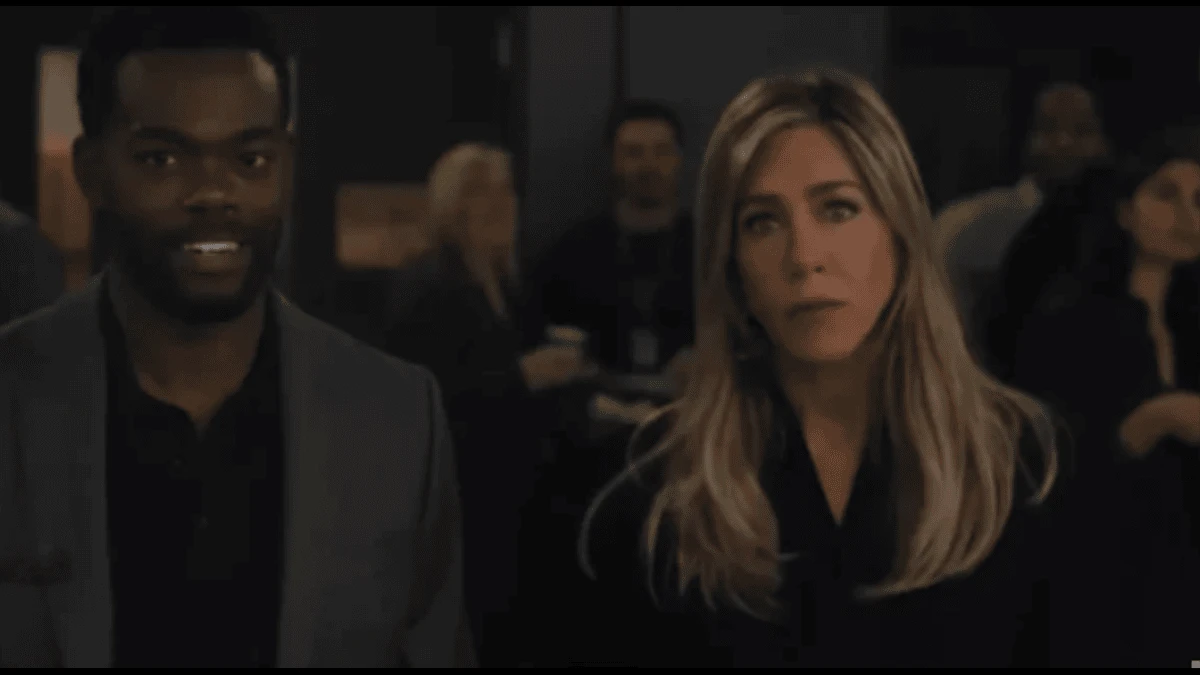
One of the most striking aspects of this scene is what isn’t said.
The camera lingers.
The framing is tight but not claustrophobic.
Background figures blur into irrelevance.
This visual language reinforces a core idea: when power dynamics shift, the world doesn’t stop but everything feels different.
The scene reminds us that modern television doesn’t need grand speeches to communicate resistance. Sometimes, presence itself becomes defiance.
Feminism Without Slogans: A Modern Approach
Unlike earlier eras of television feminism often rooted in overt declarations The Morning Show opts for something more reflective and arguably more realistic.
This scene exemplifies:
- Feminism as boundary-setting
- Strength without performative anger
- Agency without moral absolutism
The characters aren’t framed as heroes or villains. Instead, they’re adults navigating systems that were never designed with equity in mind.
That nuance is precisely why the moment feels authentic.
Media Ownership vs. Human Identity
A recurring theme in Season 4 is the commodification of people especially women within media ecosystems.
The “You Don’t Own Me” scene quietly dismantles that idea.
It asks difficult questions:
- Who owns a public persona?
- Where does professional obligation end?
- Can success coexist with self-definition?
By refusing easy answers, the show respects its audience’s intelligence an increasingly rare quality in contemporary television.
Cultural Timing: Why This Scene Resonates Globally
This moment lands during a time when audiences are acutely aware of:
- Workplace power imbalances
- Gendered double standards
- The cost of visibility
That awareness gives the scene cultural weight. Viewers don’t need exposition they bring their own lived experience into the interpretation.
How Season 4 Expands the Series’ Moral Complexity
Earlier seasons thrived on shock and exposure. Season 4 thrives on reflection.
The “You Don’t Own Me” scene represents a tonal evolution:
- Less scandal, more consequence
- Less spectacle, more introspection
- Less outrage, more reckoning
It signals that The Morning Show isn’t interested in repeating itself it’s interested in growing up.
Industry Impact: Why Critics and Audiences Pay Attention
From an industry perspective, scenes like this reinforce why The Morning Show remains a critical touchstone in the streaming era.
It demonstrates:
- Confidence in slow storytelling
- Respect for audience literacy
- Willingness to challenge comfort
That’s why the series continues to dominate cultural conversation well into its fourth season.
Final Thoughts: Why This Scene Will Age Well
Television trends change quickly.
Power struggles do not.
The “You Don’t Own Me” scene endures because it speaks to something universal: the moment someone realizes they no longer need permission to exist on their own terms.
That realization quiet, resolute, unyielding is what makes the scene unforgettable
Source: Apple TV, IMDB, You tube
Keep in Touch For More Updates: www.buzzwithriz.com
Table of contents
- The Morning Show’s Ongoing Conversation With Power
- Why “You Don’t Own Me” Is More Than a Soundtrack Choice
- Visual Storytelling: Silence as a Statement
- Feminism Without Slogans: A Modern Approach
- Media Ownership vs. Human Identity
- Cultural Timing: Why This Scene Resonates Globally
- How Season 4 Expands the Series’ Moral Complexity
- Industry Impact: Why Critics and Audiences Pay Attention


