

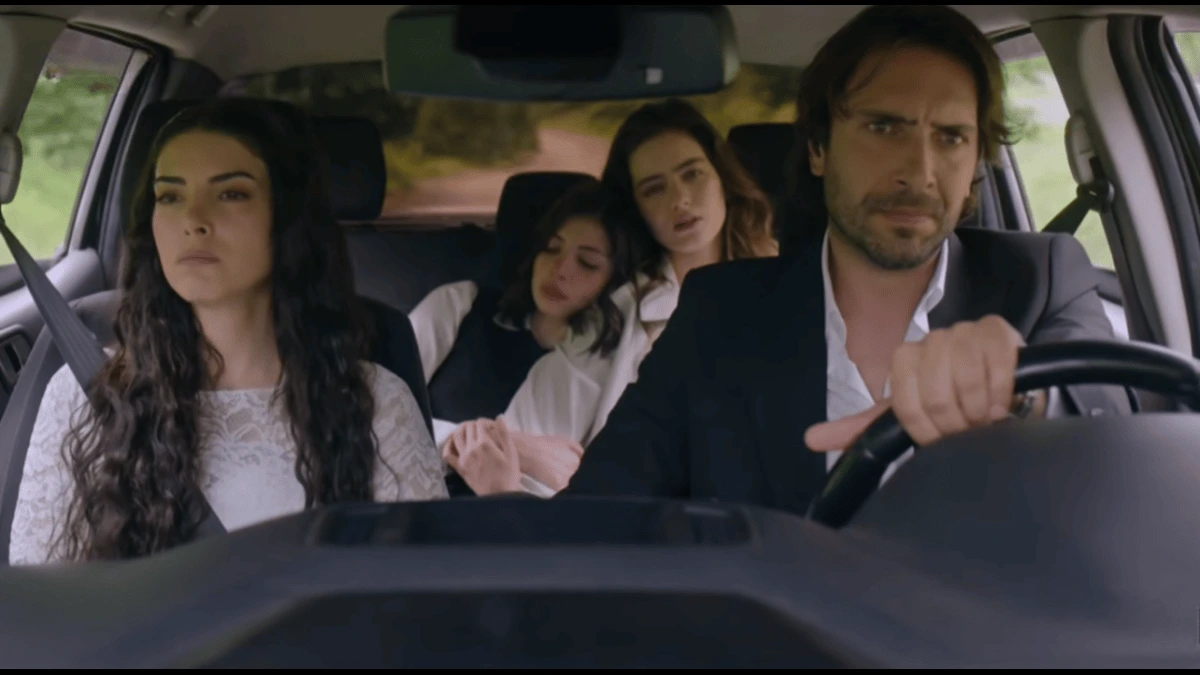
Taşacak Bu Deniz Episode 31 Season Finale Explained here, lets Discover the full Taşacak Bu Deniz Episode 31 season finale breakdown, major twists, Koçari justice, wedding drama, and ending analysis.
Episode Synopsis
After finally finding each other again twenty years later, Esme, Adil, and Eleni are no longer focused on healing old wounds they are ready to settle old scores.
What begins as a magnificent henna night at Koçari Mansion quickly turns into a dramatic confrontation as long-hidden secrets come to light. The Furtuna family finds itself at the center of an unexpected reckoning, forced to face the consequences of past sins and the most powerful form of Koçari justice they have ever encountered.
As the long-awaited wedding day finally arrives, Esme and Adil victorious after years of struggle stand on the threshold of the happiness they have dreamed about for so long. Yet just when they believe the battle has been won, fate presents them with its most difficult challenge.
Because some victories come at a devastating cost.
And in war, there are no true winners.
Taşacak Bu Deniz Season Finale Review: A Powerful Conclusion Filled With Emotion
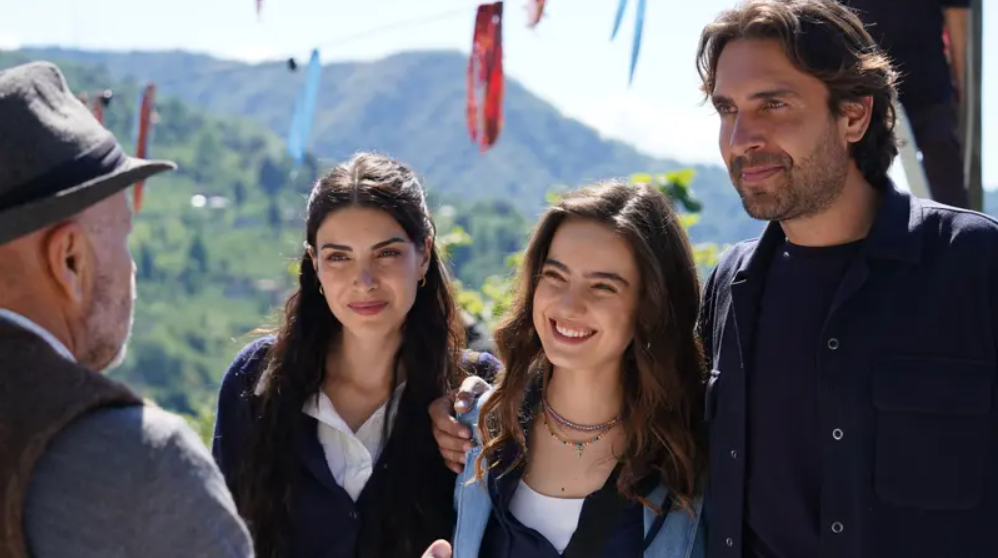
The 31st episode of Taşacak Bu Deniz serves as an emotionally charged season finale that brings together years of conflict, heartbreak, family secrets, and personal sacrifice. The episode successfully balances intimate character moments with high-stakes drama, creating a finale that feels both satisfying and deeply unsettling.
For viewers who have followed Esme, Adil, and Eleni throughout their turbulent journey, Episode 31 delivers the emotional payoff that the series has been building toward for multiple seasons. Yet rather than offering a straightforward happy ending, the writers choose a more nuanced approach—one that reflects the show’s recurring themes of accountability, destiny, and the lasting impact of past decisions.
Twenty Years Later: The Reunion That Changes Everything
At the heart of the finale is the reunion between Esme, Adil, and Eleni.
After two decades marked by separation, pain, and unanswered questions, the trio finally stands face-to-face with the truths that have haunted their lives. What makes this reunion particularly compelling is that it is not framed as a sentimental moment of forgiveness.
Instead, the characters arrive carrying emotional scars, unresolved grievances, and a determination to confront the people responsible for their suffering.
This creative choice elevates the episode beyond traditional melodrama. The reunion becomes less about reconciliation and more about truth, justice, and emotional accountability.
Koçari Mansion Becomes the Stage for a Reckoning
One of the most memorable sequences in Episode 31 unfolds during the lavish henna celebration at Koçari Mansion.
Initially presented as a traditional and joyous gathering, the event gradually transforms into something far more explosive. Secrets that have remained buried for years finally emerge, exposing hidden relationships, betrayals, and manipulations.
The setting itself plays an important symbolic role.
Koçari Mansion represents power, legacy, and family prestige. By choosing this location for the episode’s central confrontation, the series reinforces the idea that the past cannot remain hidden forever. No amount of wealth, influence, or status can protect individuals from the consequences of their actions.
The result is a sequence that combines emotional tension with dramatic storytelling, making it one of the strongest scenes of the season.
The Furtuna Family Faces the Consequences
A major turning point in the finale involves the Furtuna family.
Throughout the series, their actions have shaped many of the conflicts affecting the main characters. Episode 31 finally forces them to confront the consequences of decisions made years earlier.
Rather than relying on physical confrontation alone, the episode emphasizes moral accountability. The concept of “Koçari justice” emerges as a powerful narrative device, representing a form of judgment rooted not only in punishment but also in truth.
This storyline resonates because it reflects a universal reality: unresolved wrongdoing eventually demands recognition.
For many viewers, the Furtuna family’s reckoning may be among the most satisfying aspects of the finale.
Esme and Adil’s Long-Awaited Wedding
No storyline in Taşacak Bu Deniz has captured audience attention quite like the relationship between Esme and Adil.
Their journey has been defined by separation, sacrifice, misunderstandings, and unwavering devotion. After overcoming extraordinary obstacles, the wedding day appears to symbolize the beginning of a peaceful future.
The episode carefully builds anticipation around this moment.
Every scene leading to the ceremony reinforces the sense that happiness is finally within reach. Yet the writers understand that true drama emerges when expectations collide with uncertainty.
This tension gives the wedding storyline its emotional power.
Viewers are encouraged to celebrate alongside the couple while simultaneously fearing that fate may have other plans.
Why the Ending Is So Effective
The most striking aspect of Episode 31 is its refusal to present victory as simple or uncomplicated.
The synopsis itself offers a crucial clue:
“Some victories come at a devastating cost. And in war, there are no true winners.”
This statement encapsulates the philosophical core of the finale.
Rather than portraying justice as a clean resolution, the episode acknowledges that even successful outcomes can leave emotional scars. Characters may achieve their goals, but they cannot erase the suffering experienced along the way.
This approach reflects mature storytelling and helps distinguish Taşacak Bu Deniz from more conventional television dramas.
Character Analysis: Esme’s Evolution
Among all the characters, Esme arguably experiences the most significant transformation.
Over the course of the series, she evolves from a woman defined by loss into a figure of resilience and determination.
In Episode 31, her strength is not measured by revenge or triumph alone. Instead, it is reflected in her willingness to confront painful truths while continuing to fight for the future she desires.
Her character arc demonstrates that healing does not require forgetting the past. Rather, it involves finding the courage to face it directly.
Adil’s Role in the Finale
Adil serves as both a romantic hero and a symbol of perseverance.
His relationship with Esme remains the emotional anchor of the series, and his actions throughout the finale reinforce themes of loyalty and commitment.
What makes Adil compelling is his refusal to abandon hope, even when circumstances appear impossible. His determination contributes significantly to the emotional impact of the season finale.
Eleni’s Importance to the Story
Eleni’s presence adds complexity to the narrative.
She functions as a bridge between past and present, carrying memories and truths that influence the decisions of everyone around her.
Her role in the finale highlights one of the show’s central messages: history continues to shape the present, whether individuals acknowledge it or not.
Final Verdict: A Memorable Turkish Drama Season Finale
Episode 31 succeeds because it combines emotional storytelling with meaningful thematic depth.
The finale delivers:
- Major character confrontations
- Long-awaited revelations
- Family drama and accountability
- A powerful wedding storyline
- Strong emotional performances
- A thought-provoking ending
Rather than offering easy answers, the episode invites viewers to reflect on the cost of justice, the weight of history, and the resilience required to pursue happiness.
For fans of Turkish television dramas, Taşacak Bu Deniz concludes its season with one of its strongest and most emotionally resonant chapters.
Source
- TRT1
- Tasacak Bu Deniz Official
- IMDB
Keep in Touch For More Updates: www.buzzwithriz.com

6 Comments
Pingback: Find Your Friends (2026) Trailer Breakdown and Review
Pingback: Burak Yörük Returns to France for Festi Expo
Pingback: Love Coincidences Happen 3: Cast, Story and Release
Pingback: Onur Dilber Exits Taşacak Bu Deniz
Pingback: Taşacak Bu Deniz Season 2: Emriye Hala Joins
Pingback: Taşacak Bu Deniz Season 2 Begins: First Look at the Cast