





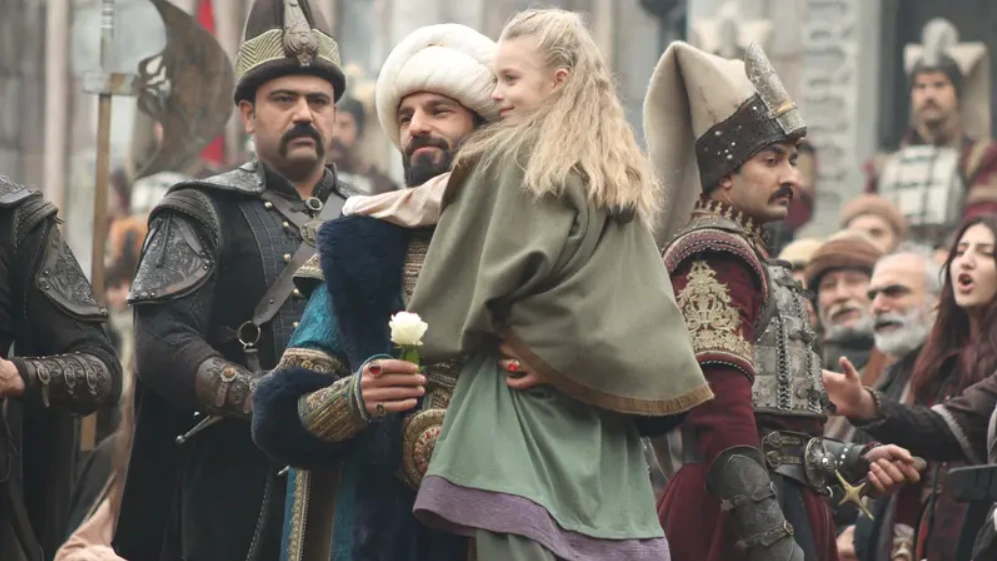
Episode 62 Recap, and In-Depth Analysis
Introduction: When Conquest Turns Inward
Episode 62 of Mehmed: Fetihler Sultanı stands as one of the series’ most intellectually layered installments.
Rather most dangerous battles often begin after the gates fall. As an analyst of Ottoman history and historical television narratives, this episode clearly signals a shift—from outward conquest to internal reckoning.
This article delivers of the official Turkish episode summary, followed by expert historical and narrative analysis designed for global readers, historians, and serious fans of Ottoman-era storytelling.
Faithful of the Original Episode Summary
As the Ottoman army advances toward one of the Black Sea’s most critical gateways, what awaits behind the city walls is not merely stone and iron, but calculations shaped by betrayal, ambition, and blood.
While Ottoman forces push forward simultaneously from multiple fronts, deadly traps are being prepared within the city. The struggle unfolds street by street, gate by gate, revealing that no victory will come easily.
Princes, pashas, and raiders encounter unexpected
Princes, pashas, and raiders encounter unexpected resistance in narrow alleys. Personal vendettas, desires for revenge, and long-standing rivalries begin to influence the course of the battle. Just when the city appears to have fallen, it becomes clear that the true struggle has only just begun inside the walls.
Sultan Mehmed makes a choice destined to echo through history
At this decisive moment, Sultan Mehmed makes a choice destined to echo through history, advancing directly toward the heart of the conflict. This move is not merely tactical; it represents statecraft, courage, and the rewriting of destiny.
Escape plans, secret tunnels
Meanwhile, intrigue extends far beyond the battlefield. Escape plans, secret tunnels, dungeons, and shadowy alliances deepen the confrontation between empires. In this grand chess match stretching across distant lands, everyone has a plan—but no one knows who is truly waiting for whom.
On the road to conquest, not only swords but minds are tested; not only loyalty but betrayal; not only courage but fear.
Once again, history records not only the victors, but the unexpected reckonings along the way.
The Core Theme of Episode 62: Victory Is Only the Beginning
The defining idea of Episode 62 is clear: a city is not conquered when its walls fall, but when its inner resistance collapses. This concept aligns closely with Ottoman military doctrine. Historically, urban conquests demanded immediate control of streets, supply routes, and political loyalties—or risk rebellion and collapse.
By shifting the narrative focus inside the city, the episode reflects the reality that empires are secured through governance, intelligence, and psychological dominance as much as through force.
Sultan Mehmed’s Defining Choice: Leadership at the Center of Danger
Strategy, Symbolism, and Authority
Sultan Mehmed’s decision to advance personally into the heart of the city is the episode’s most powerful moment. Historically, Mehmed II was known for leading at moments when hesitation could fracture command. His presence was not reckless—it was deliberate.
Ottoman chroniclers such as Tursun Bey emphasize that Mehmed understood morale as a weapon. A visible ruler at the front line silenced doubt, unified command, and projected inevitability. Episode 62 dramatizes this principle with precision.
This moment transforms Mehmed from commander to symbol—of order amid chaos, authority amid uncertainty.
Urban Warfare and the Weaponization of Betrayal
Urban conquest has always been defined by internal threats. Episode 62 explores this through secret passages, hidden prisons, and shifting alliances. These are not fictional exaggerations; they mirror historical siege tactics used throughout medieval warfare.
Within confined city spaces, information becomes deadlier than steel. One traitor, one unlocked gate, or one whispered rumor can decide the fate of thousands. The episode captures this tension with careful pacing and layered storytelling.
Princes, Pashas, and Personal Wars
One of the episode’s greatest strengths lies in its portrayal of individual ambition colliding with imperial purpose. Princes and pashas are not portrayed as faceless officers, but as men burdened by pride, memory, and rivalry.
Historically, internal divisions were among the greatest threats to Ottoman campaigns. Strict discipline and loyalty to the Sultan were essential precisely because personal vendettas could undermine entire operations. Episode 62 uses these conflicts to illustrate how fragile unity becomes once victory appears close.
The Strategic Importance of the Black Sea Gateway
Although the city remains unnamed in the summary, its description aligns with historically critical Black Sea fortresses. Control of these gateways meant dominance over trade routes, naval movement, and diplomatic leverage.
For the Ottomans, securing Black Sea access was not merely territorial—it was economic and geopolitical. Episode 62 subtly reinforces this by portraying the city as a linchpin rather than a symbolic prize.
Narrative Craftsmanship: How Tension Is Sustained
From a production standpoint, Episode 62 demonstrates mature storytelling. The claustrophobic street combat, cross-cutting between battlefield action and political intrigue, and restrained use of music all serve to maintain unease rather than triumph.
The viewer is reminded constantly that control is temporary, and that every cleared street opens the possibility of a new threat. This approach elevates the series beyond spectacle into thoughtful historical drama.
Why Episode 62 Marks a Turning Point in the Series
This episode reframes conquest as responsibility rather than reward. It challenges the audience to reconsider what victory truly demands—discipline, restraint, and constant vigilance.
By focusing on internal conflict, Episode 62 prepares the narrative for future moral and political consequences. The message is unmistakable: empire is not sustained by strength alone, but by wisdom.
Final Reflection
Episode 62 reminds us that conquest is not an ending—it is a test. A test of leadership, loyalty, and the ability to govern what has been won. In this sense, Mehmed: Fetihler Sultanı succeeds not only as historical drama, but as a study of power itself.
Soruce: TRT1,IMDB,wikipedia


