





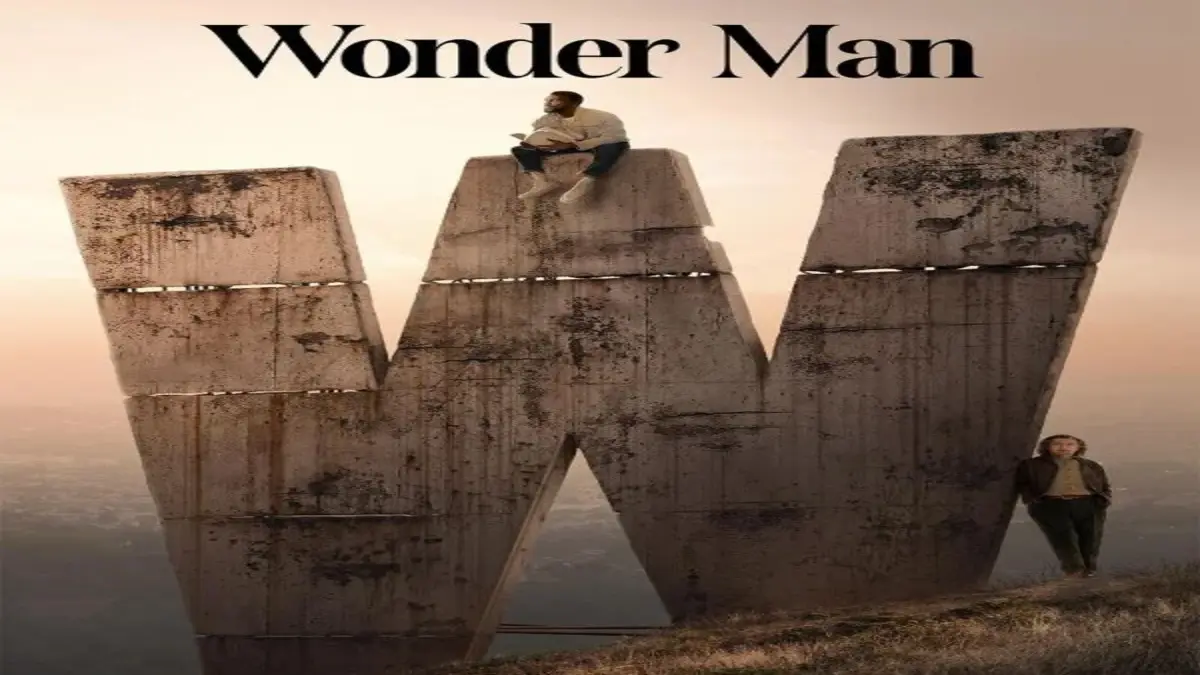
Marvel Television’s Wonder Man Official Trailer: A Deep, Expert Breakdown of Marvel’s Most Unusual MCU Series Yet
A Confident New Chapter for Marvel Television
Marvel Television doesn’t usually announce its intentions quietly, but Wonder Man feels different more self-aware, more experimental, and frankly, more confident than anything the studio has released for Disney+ in recent years.
With the release of the official Wonder Man trailer, Marvel isn’t just introducing another superhero. It’s testing the limits of tone, genre, and storytelling inside the Marvel Cinematic Universe (MCU). This is not a cosmic epic or a multiverse puzzle. Instead, Wonder Man leans into Hollywood satire, celebrity culture, and identity all while staying grounded in classic Marvel Comics lore.
And that’s precisely why it matters.
Who Is Wonder Man? A Character With Deep Marvel Roots
For longtime Marvel readers, Simon Williams, aka Wonder Man, is hardly obscure. First appearing in The Avengers #9 (1964), the character was created by Stan Lee and Don Heck as a tragic figure a man driven by resentment, manipulated into villainy, and ultimately reborn as a hero.
Unlike many MCU newcomers, Wonder Man comes with decades of narrative complexity:
- Former antagonist turned Avenger
- Longtime ally (and rival) of Vision
- Actor and celebrity within Marvel canon
- A symbol of ego, redemption, and fame
Marvel Television’s trailer smartly leans into this history without overwhelming casual viewers.
Trailer Breakdown: What Marvel Is Telling Us (And What It Isn’t)
The Wonder Man official trailer opens not with action, but with performance. We see Simon Williams on soundstages, in auditions, navigating the artificial glow of Hollywood a deliberate choice that sets the tone immediately.
This is not a traditional superhero origin story.
Key Observations from the Trailer:
- Hollywood as a battlefield: Fame, image, and reputation are central themes
- Controlled power reveals: Marvel avoids showing the full scope of Wonder Man’s abilities
- Grounded visuals: Minimal CGI, practical sets, character-focused framing
- Meta storytelling: The MCU openly commenting on entertainment culture
The trailer’s restraint suggests confidence. Marvel knows the character will land it doesn’t need spectacle to prove it.
Yahya Abdul-Mateen II: Perfect Casting with Purpose
Casting Yahya Abdul-Mateen II as Wonder Man is one of Marvel Television’s strongest decisions in years.
With acclaimed performances in Watchmen, Candyman, and Aquaman, Abdul-Mateen brings:
- Emotional weight
- Physical presence
- Proven dramatic range
- Cultural relevance
More importantly, he understands characters shaped by identity and public perception exactly what Wonder Man represents.
This isn’t stunt casting. It’s intentional, thoughtful, and aligned with Marvel’s renewed focus on character-driven storytelling.
Powers, Abilities, and What the MCU Is Likely Adapting
While the trailer avoids flashy demonstrations, comic readers will recognize the clues.

Wonder Man’s Canonical Abilities:
- Ionic energy-based strength
- Near invulnerability
- Superhuman stamina
- Enhanced reflexes
- Energy manipulation (in later arcs)
Marvel Television appears to be slow-rolling these powers, likely grounding them emotionally before escalating visually a smart move after criticism of rushed power scaling in recent MCU projects.
The Vision Connection: An MCU Thread Waiting to Be Pulled
One of the most exciting implications of Wonder Man is its potential connection to Vision.
In Marvel Comics, Simon Williams’ brain patterns were used to help create Vision binding their stories together permanently. While the trailer doesn’t confirm this directly, subtle dialogue choices and narrative framing strongly suggest Marvel is laying groundwork.
If executed well, Wonder Man could quietly set up:
- Vision’s future arc
- West Coast Avengers seeds
- Deeper AI and identity themes in Phase 6
This is long-term storytelling something Marvel has been recalibrating after recent missteps.
Marvel’s Hollywood Satire: A Risk Worth Taking
Perhaps the boldest aspect of Wonder Man is its tone.
The series doesn’t just exist in Hollywood it critiques it. Celebrity culture, performative heroism, branding, and the illusion of authenticity all seem central to the narrative.
This places Wonder Man closer in spirit to:
- The Boys (thematically, not tonally)
- Barry
- Early Iron Man character studies
For Marvel Television, this represents growth acknowledging audience fatigue with formulaic superhero plots and responding with something smarter.
How Wonder Man Fits Into Marvel Phase 6
From a strategic standpoint, Wonder Man serves several purposes in the MCU:
- Diversifies genre within Marvel Television
- Introduces a major Avenger-level character without a film
- Bridges street-level and cosmic storytelling
- Rebuilds audience trust through focused writing
Unlike multiverse-heavy projects, Wonder Man feels designed to be accessible, rewatchable, and emotionally resonant a crucial win for Disney+.
Why Wonder Man Might Be Marvel Television’s Quiet Comeback
The MCU doesn’t need louder stories it needs better ones.
Wonder Man feels like Marvel Television remembering what made the franchise work in the first place: character, consequence, and confidence.
If the series delivers on what this trailer promises, it won’t just be another Disney+ entry. It could become a case study in how Marvel evolves without abandoning its roots.
And that’s a story worth watching.
Source : Marvel Television, imdb
Keep in Touch For More Updates: www.buzzwithriz.com


