

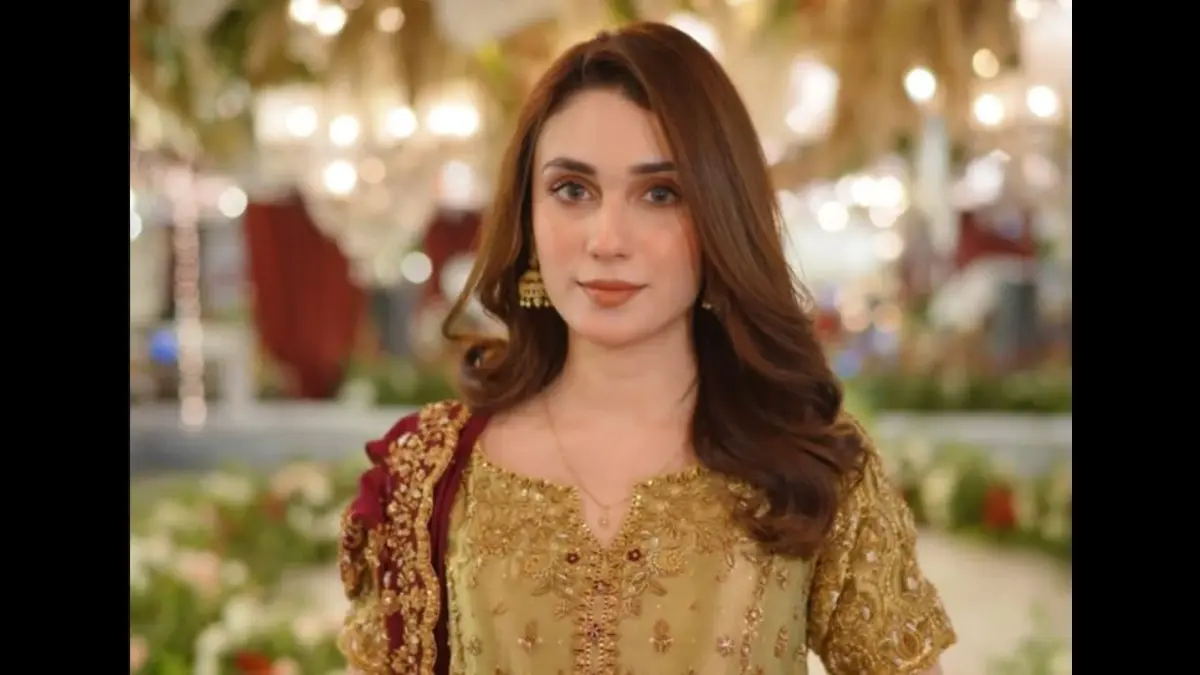
Hina Tariq dupatta in dramas reveals why she always wears a dupatta in dramas, citing modesty, family values, respect, and her TV journey.
A Rising Star’s Statement Sparks a Wider Conversation
In an entertainment landscape where public figures are often scrutinized for every personal and professional decision, Pakistani actress Hina Tariq has found herself at the center of a meaningful discussion about personal values, modesty, and identity.
During a recent interview, the emerging television actress shared the reason behind a choice many viewers had already noticed: her consistent decision to wear a dupatta in drama serials. According to Tariq, the decision is neither a professional requirement nor an attempt to create a public image. Instead, she describes it as a personal commitment to dignity, self-respect, and the values she hopes to carry throughout her life and career.
Her comments quickly gained traction across social media platforms, where thousands of viewers applauded her honesty and conviction. At a time when conversations about personal expression and cultural identity continue to evolve, Tariq’s perspective has resonated with audiences who appreciate authenticity and individual choice.
What Hina Tariq Said About Wearing a Dupatta
Speaking candidly during the interview, Hina Tariq explained that she consciously chooses roles and on-screen appearances that align with her personal principles.
She noted that she hopes her future husband and children will one day look back at her work and see a woman who maintained her dignity while pursuing a successful career in the entertainment industry.
Rather than viewing modest dressing as a limitation, Tariq framed it as an extension of her identity and beliefs. She emphasized that the decisions she makes today are ones she wants to remember with pride years from now.
The actress suggested that maintaining consistency between personal values and professional choices is important to her, especially in an industry where public visibility can influence perceptions for years to come.
Her remarks stood out because they focused not on external expectations but on personal accountability and future reflection.
Personal Choice Versus Public Expectation
One reason Hina Tariq’s comments attracted widespread attention is that they touched on a broader cultural discussion.
Across South Asia and beyond, public conversations frequently emerge around how actresses choose to present themselves on screen. These discussions often become polarized, with some viewing modest attire as a cultural preference and others emphasizing personal freedom and self-expression.
What made Tariq’s statement noteworthy was her emphasis on choice.
She did not suggest that other actresses should follow the same path. Instead, she explained her own reasoning and personal comfort level.
This distinction is significant.
In contemporary media environments, authenticity often resonates more strongly than conformity. Audiences increasingly appreciate public figures who articulate their values without imposing them on others.
By framing her decision as a personal one, Tariq shifted the conversation away from judgment and toward self-determination.
Why the Dupatta Holds Cultural Significance
The dupatta has long been an important element of traditional South Asian attire. Beyond its practical use as a garment, it often carries cultural, social, and symbolic meanings.
For many women across Pakistan, India, Bangladesh, and other parts of South Asia, wearing a dupatta can represent:
- Cultural heritage
- Personal modesty
- Religious values
- Family traditions
- Individual style preferences
Importantly, its significance varies from person to person.
For some, it is a deeply meaningful expression of identity. For others, it is simply a fashion accessory or part of a traditional outfit.
Hina Tariq’s comments highlight how personal interpretations of cultural symbols continue to shape public discussions in modern entertainment.
The Evolving Landscape of Pakistani Television
The Pakistani television industry has undergone significant transformation over the past decade.
Digital platforms, social media engagement, and international audiences have expanded the reach of Pakistani dramas far beyond national borders. As viewership grows, actors increasingly find themselves representing a wide range of perspectives and values.
This evolution has created space for diverse forms of storytelling and character representation.
Within this environment, performers often make conscious decisions about the types of roles they accept and the public image they cultivate.
Industry observers note that audiences are increasingly drawn to authenticity. Whether through interviews, social media content, or television performances, viewers often connect most strongly with personalities who appear genuine and consistent.
Hina Tariq’s remarks align with this trend.
Rather than crafting a carefully calculated public relations message, her explanation reflected a personal perspective that many viewers found relatable.
Hina Tariq’s Journey From Social Media to Television
Before establishing herself in television dramas, Hina Tariq gained visibility through social media platforms.
Like many members of a new generation of Pakistani entertainers, she leveraged digital platforms to build an audience and showcase her personality.
The transition from influencer to actress is becoming increasingly common within Pakistan’s entertainment sector. Social media provides emerging talent with opportunities to develop visibility, engage directly with audiences, and demonstrate creative potential.
For Tariq, that transition has proven successful.
Her growing portfolio includes appearances in several television productions that have helped establish her reputation as a promising young actress.
Dramas That Helped Build Her Career
Hina Tariq’s growing popularity is closely connected to her work in television projects such as:
Bharam
This drama contributed significantly to her early recognition, introducing her to broader audiences and demonstrating her ability to handle emotionally engaging storylines.
Nafrat
Her performance in Nafrat further strengthened her position within the industry and expanded her fan base.
Naqaab
The drama provided another opportunity to showcase her versatility and screen presence, helping solidify her reputation among viewers and industry professionals alike.
Collectively, these projects have established Tariq as one of the promising emerging talents in Pakistani television.
Audience Reactions Across Social Media
Public response to Hina Tariq’s comments has been largely positive.
Many fans praised her confidence in expressing personal values without criticizing others. Others appreciated her focus on long-term accountability and the idea of building a career she can look back on proudly.
Several social media users described her remarks as refreshing in an era where public conversations often become divisive.
Industry commentators also noted that her statement reflects a broader trend among younger celebrities who increasingly prioritize authenticity and transparency when discussing personal beliefs.
The overwhelmingly supportive response highlights how audiences often connect with sincerity, regardless of whether they share identical perspectives.
Why Authenticity Matters in Modern Celebrity Culture
One of the most significant aspects of this story is its emphasis on authenticity.
Modern audiences have unprecedented access to celebrities through social media, interviews, podcasts, and digital content.
As a result, viewers often look beyond performances to understand the individuals behind public personas.
Research across media and communications industries consistently shows that authenticity remains one of the most valued traits among public figures.
When celebrities articulate personal beliefs thoughtfully and respectfully, audiences are more likely to view them as credible and trustworthy.
Hina Tariq’s comments fit within this broader shift toward genuine self-representation.
Looking Ahead: A Career Defined by Personal Conviction
As her acting career continues to develop, Hina Tariq appears focused on balancing professional growth with personal principles.
Her recent remarks suggest that she views success not only through the lens of popularity or industry recognition but also through the legacy she creates over time.
For many fans, that perspective is part of what makes her story compelling.
In an industry often characterized by constant change, maintaining a clear sense of identity can become a distinguishing characteristic.
Whether audiences agree with her personal choices or simply respect her consistency, Tariq’s comments have contributed to a thoughtful discussion about values, culture, and self-expression in contemporary entertainment.
Conclusion
Hina Tariq’s explanation for consistently wearing a dupatta in television dramas has resonated because it reflects something larger than fashion or appearance.
At its core, her statement is about personal accountability, self-respect, and making choices that align with one’s values.
As she continues to build her career in Pakistan’s television industry, her emphasis on authenticity and dignity may prove just as influential as her performances on screen.
For an actress still in the early stages of her professional journey, that commitment to staying true to herself is already helping define her public image and earning admiration from audiences across the country.
Source
- Information is based on Hina Tariq’s publicly reported interview
- Pakistani entertainment media outlets
- IMDB

1 Comment
Pingback: Humayun Ashraf Reveals Why He Is Still Single