





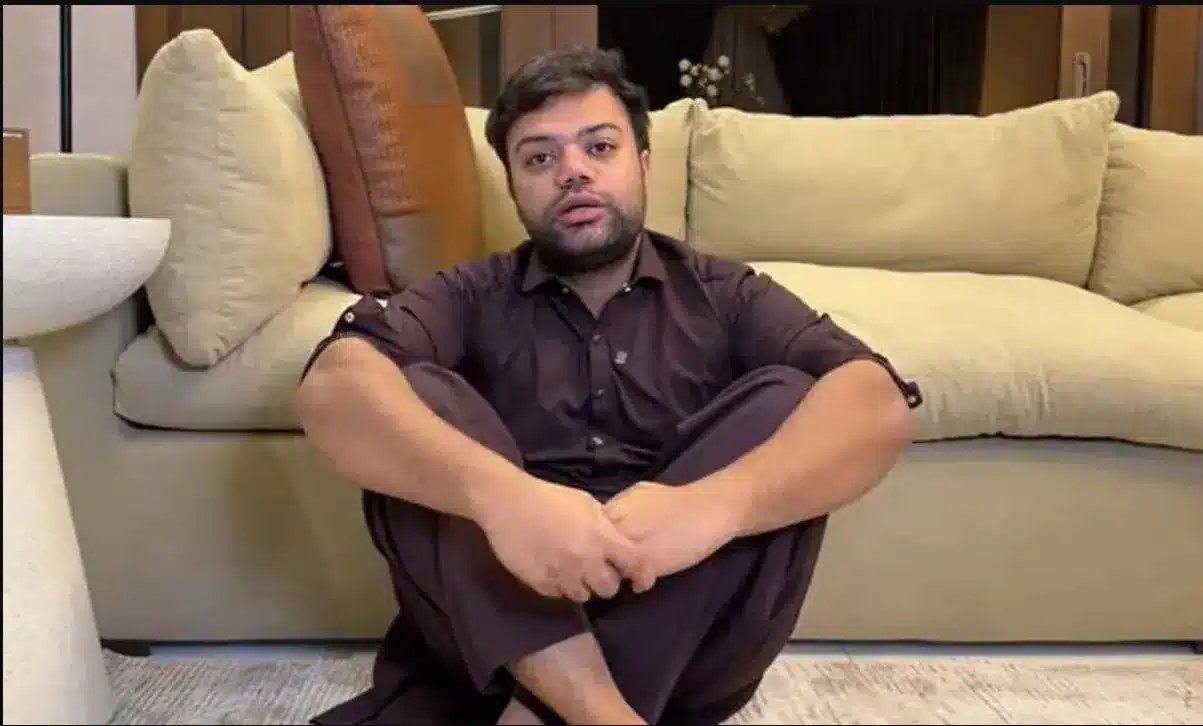
Ducky Bhai tell after release the story you are about to read is not easy. A stark, uncomfortable narrative is present that tests our faith in the very institutions design to protect us:
Allegations of torture in custody and bribery against Ducky Bhai have made:
‘A video call was arrange with my seven-year-old son, and I was subject to torture.’”
As a journalist and analyst focusing on South Asian governance and human rights, I’ve seen patterns of abuse. Cases like these, where alleged exploitation of familial love inflicts psychological harm, represent a particularly insidious cruelty. This post will examine the allegations, contextualize them within Pakistan’s fight against custodial abuse, and argue why this case must mark a turning point for accountability.
Deconstructing the Allegations: A Multi-Layered Abuse of Power
The core accusation is a three-pronged assault on human dignity and legal procedure.
- Unlawful Detention and Physical Torture: The complainant alleges being held illegally in custody by individuals linked to or operating under the name ‘Ducky Bhai,’ reportedly connected to anti-corruption or law enforcement circles.
- The claim of physical torture during this detention is the first and most fundamental breach of constitutional and international law. Pakistan is a signatory to the UN Convention Against Torture (UNCAT) and its own Constitution guarantees the inviolability of human dignity (Article 14).
- Psychological Torture via Familial Coercion: This is where the allegation plunges into abhorrent depths. The assertion that the detainee’s seven-year-old child was place on a video call to witness the father’s abuse is a calculated act of psychological torture.
- It’s design to break the spirit not through pain alone, but through the unbearable agony of a parent’s helplessness and a child’s trauma. This tactic, documented in conflict zones by groups like Amnesty International, aims to destroy the victim’s resistance at its core.
- Extortion and Bribery: Woven into this brutality is the alleged demand for a bribe—a ransom for freedom and an end to suffering. This completes a vicious cycle where state power (or its mimicry) is use not for justice, but for personal enrichment, corrupting the very notion of law enforcement.
The “Ducky Bhai” Phenomenon: Vigilantism or Institutional Failure?
The name “Ducky Bhai” itself requires scrutiny. In the murky underworld of Pakistani law enforcement and anti-corruption efforts, such informal titles often point to a problematic culture. Is “Ducky Bhai” an official with unchecked authority? A rogue element operating within the system? Or a symbol of a broader trend where extra-legal figures are tolerate for delivering “results”?
This ambiguity is a critical part of the problem. It creates a shadowland of accountability, where victims cannot clearly identify their oppressors, and institutions can hide behind plausible deniability. It echoes patterns seen elsewhere, where informal power structures flourish in the gaps of formal accountability. For a deeper understanding of Pakistan’s police system and its challenges, the work of legal scholar M. J. Zafar and reports by Justice Project Pakistan offer vital context.
Legal Frameworks and the Chasm of Implementation
On paper, Pakistan has a robust framework against such abuses.
- Article 14 of the Constitution guarantees dignity and prohibits torture.
- The Pakistan Penal Code criminalizes wrongful confinement, extortion, and causing hurt.
- Superior courts have consistently condemned custodial torture in landmark judgments.
Yet, the chasm between legal doctrine and ground reality is vast. The persistence of such allegations points to systemic failures: weak internal accountability mechanisms, a culture of impunity within certain quarters, and the immense difficulty victims face in registering complaints against powerful figures. The National Commission for Human Rights (NCHR) often highlights these institutional gaps in its annual reports.
The Unseen Victim: The Trauma of the Child
While the case focuses on the detained father, we must spotlight the secondary—and profoundly damaged—victim: the seven-year-old child. Forcing a child to witness the torture of a parent is a form of child psychological abuse with potentially lifelong consequences. It can lead to severe anxiety, post-traumatic stress disorder (PTSD), and a broken sense of security.
Child rights organizations like Sahil in Pakistan emphasize that protecting children from such indirect violence is as crucial as protecting direct victims. The case isn’t just about custodial torture; it’s about intergenerational trauma inflict by agents of the state.
The Path to Accountability: What Must Happen Next?
For this story to move beyond a sensational headline, concrete steps are non-negotiable. This is where public pressure and procedural rigor must converge.
- An Independent, Judicial Inquiry: The government must mandate a high-court judge-led inquiry, insulated from police hierarchy. This inquiry must secure and analyze all evidence: call records, video logs, medical reports of the victim, and forensic psychological evaluations of the child.
- Clear Identification and Prosecution: “Ducky Bhai” and all involve must publicly identify, suspend from duty immediately, and charge under the full extent of the law, including anti-torture provisions and child protection statutes.
- Protection and Reparation for Victims: The complainant and his family require immediate witness protection and access to comprehensive psychosocial support. The state must consider financial reparations as a formal acknowledgment of harm.
- Systemic Reform: This case should trigger a parliamentary review of custodial procedures, the role of informal figures in law enforcement, and the strengthening of independent oversight bodies like the Police Complaint Authorities.
A Test for Civil Society and Media
The sustained attention of a free press and an active civil society is the oxygen for justice in cases like these. Outlets like Dawn and The News International have a critical role in following the paper trail. Social media campaigns, while raising awareness, must be channeled into formal legal and political advocacy to prevent the story from fading.
Conclusion: A Line in the Sand
The allegations against “Ducky Bhai” are not an isolated incident. They are a symptom of a disease that erodes the social contract. When a citizen fears the keeper of the law more than the lawbreaker, the foundation of society cracks.
This case, with its harrowing use of a child as a tool of torture, represents a line in the sand. It is a test for Pakistan’s judiciary, its government, and its conscience. Will it be another file buried in the graveyard of forgotten injustices? Or will it become the case that finally catalyzes a zero-tolerance policy towards custodial abuse and the insidious corruption that enables it?
The world is watching. More importantly, a traumatized father and his seven-year-old child are waiting.
Source: BBC, DAWN


2 Comments
Pingback: Meri Zindagi Hai Tu: A Powerful ARY Digital Drama Redefining Love, Destiny & Emotional Turmoil - buzzwithriz.com
Pingback: Wednesday Horoscope Today: Expert Zodiac Guidance & Predictions - buzzwithriz.com