

Environmental documentaries have evolved far beyond nature photography and scenic landscapes. Today, the most impactful productions connect scientific evidence with human stories, helping audiences understand the urgency of environmental challenges while inspiring meaningful action.
Netflix’s 23,000 Lives enters this space with remarkable ambition. At its core, the documentary explores marine biodiversity, scientific discovery, and the interconnected ecosystems that sustain life across our oceans. More importantly, it examines how conservation efforts can influence the future of countless species and the communities that depend on healthy marine environments.
At a time when climate change, biodiversity loss, and ocean degradation dominate environmental discussions, 23,000 Lives arrives as both a visually stunning documentary and a valuable educational resource. Through immersive storytelling, expert insights, and real-world conservation work, the film encourages viewers to reconsider humanity’s relationship with the ocean.
This review examines the documentary’s themes, scientific significance, storytelling approach, and broader environmental impact while providing context for why it deserves attention from global audiences.
What Is 23,000 Lives About?
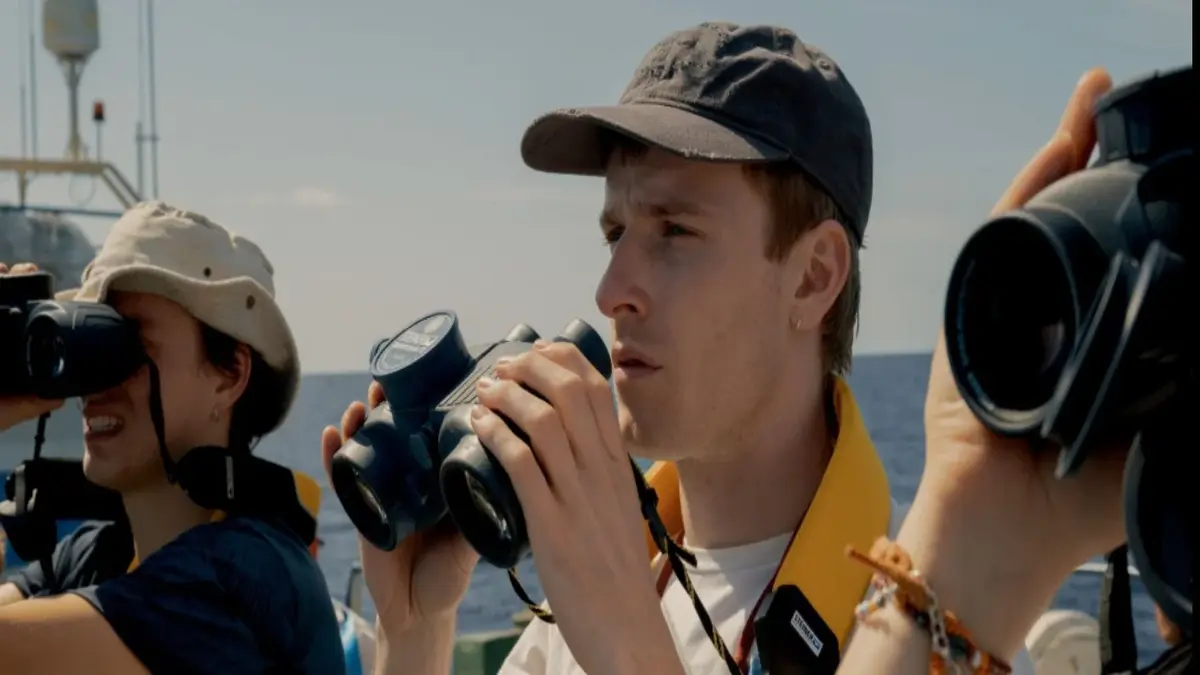
The documentary follows researchers, conservationists, marine scientists, and expedition teams as they investigate ocean ecosystems and document the extraordinary diversity of marine life.
The title itself reflects the scale of biodiversity explored throughout the film. Rather than focusing on a single species or environmental issue, 23,000 Lives highlights the complex web of organisms that contribute to healthy marine ecosystems.
From remote oceanic regions to critical biodiversity hotspots, viewers witness firsthand how scientific research contributes to conservation strategies. The documentary demonstrates that protecting one species often means protecting entire ecosystems, emphasizing the interconnected nature of environmental stewardship.
Unlike traditional wildlife documentaries that concentrate solely on animal behavior, 23,000 Lives places equal emphasis on the people conducting research and conservation work. This human-centered perspective adds depth and emotional resonance to the narrative.
The Documentary’s Strongest Asset: Scientific Credibility
One of the most impressive aspects of 23,000 Lives is its commitment to scientific integrity.
Many environmental productions simplify complex ecological issues for mainstream audiences. While accessibility is important, oversimplification can sometimes undermine scientific accuracy. Fortunately, this documentary strikes a balance between education and engagement.
The film presents research findings in ways that are understandable without sacrificing nuance. Scientific methodologies, biodiversity assessments, conservation monitoring, and ecological surveys are integrated naturally into the storytelling process.
This approach aligns closely with what viewers increasingly expect from modern environmental journalism: evidence-based narratives supported by expert knowledge.
By showcasing field researchers in action, 23,000 Lives helps audiences appreciate the painstaking work involved in gathering data that ultimately informs conservation policy and environmental management.
Ocean Biodiversity: The Heart of the Story
The documentary’s central theme revolves around biodiversity.
Marine biodiversity is often discussed in abstract terms, yet 23,000 Lives successfully illustrates why species diversity matters on a practical level. Healthy ecosystems support fisheries, regulate climate systems, maintain food webs, and contribute to economic stability for millions of people worldwide.
Throughout the film, viewers encounter a wide variety of marine organisms, each playing a unique ecological role. The documentary demonstrates how even small disruptions can trigger cascading effects throughout entire ecosystems.
Several key lessons emerge:
Biodiversity Supports Ecosystem Stability
Species-rich environments tend to be more resilient against environmental stressors.
Conservation Is Preventative
Protecting habitats before they reach critical decline is more effective than attempting restoration after severe damage occurs.
Human Activity Has Global Consequences
Pollution, overfishing, habitat destruction, and climate change impact ecosystems far beyond their immediate locations.
Every Species Matters
The documentary repeatedly reinforces the idea that ecological networks depend on diversity rather than individual flagship species alone.
Exceptional Cinematography and Visual Storytelling
Environmental documentaries often succeed or fail based on their visual execution.
Fortunately, 23,000 Lives excels in this area.
The cinematography captures both the beauty and vulnerability of marine ecosystems. Sweeping ocean vistas are balanced with intimate underwater sequences that reveal details many viewers would otherwise never see.
The filmmakers avoid excessive dramatization, allowing the natural environment to remain the central focus. This restraint enhances authenticity and strengthens audience trust.
Particularly effective are the expedition sequences, where researchers navigate challenging conditions while documenting marine life. These scenes communicate the dedication required for scientific fieldwork and add an element of adventure without overshadowing the documentary’s educational objectives.
Climate Change and the Future of Ocean Ecosystems
Although biodiversity remains the primary focus, climate change serves as an important backdrop throughout the documentary.
Rising ocean temperatures, changing migration patterns, coral degradation, and ecosystem instability are presented as interconnected challenges rather than isolated environmental issues.
The documentary avoids alarmist messaging while still acknowledging the seriousness of current trends.
This balanced perspective is refreshing. Instead of relying on fear-based narratives, 23,000 Lives focuses on solutions, adaptation strategies, and conservation opportunities.
By highlighting successful restoration projects and ongoing scientific initiatives, the film demonstrates that meaningful progress remains possible when governments, researchers, organizations, and communities collaborate.
Why the Human Stories Matter
Perhaps the documentary’s most memorable element is its focus on the people behind conservation efforts.
Researchers often spend years collecting data, monitoring ecosystems, and advocating for environmental protection. Yet their work remains largely invisible to the public.
23,000 Lives changes that.
The documentary introduces viewers to individuals whose careers are dedicated to understanding and protecting marine environments. Their passion, persistence, and expertise provide emotional grounding for the broader scientific themes.
This storytelling choice transforms environmental issues from abstract concepts into personal missions driven by real people making tangible contributions.
For audiences unfamiliar with conservation science, these narratives provide an accessible entry point into complex ecological discussions.
Educational Value for Global Audiences
One reason 23,000 Lives has the potential to resonate internationally is its educational relevance.
The documentary appeals to:
- Students studying environmental science
- Conservation professionals
- Wildlife enthusiasts
- Educators
- Policy advocates
- Sustainability researchers
- Climate-conscious audiences
- General Netflix viewers seeking informative content
The film effectively bridges the gap between academic knowledge and public understanding, making it a useful resource for classrooms, community discussions, and environmental awareness initiatives.
How 23,000 Lives Compares to Other Conservation Documentaries
While comparisons with established environmental documentaries are inevitable, 23,000 Lives distinguishes itself through its emphasis on biodiversity research and scientific fieldwork.
Many documentaries focus primarily on environmental threats. This film, however, spends considerable time exploring the scientific processes that generate conservation knowledge.
That distinction may seem subtle, but it creates a more comprehensive viewing experience.
Audiences leave not only understanding environmental problems but also appreciating how scientific research contributes to practical solutions.
The result is a documentary that feels informative, credible, and ultimately constructive.
Final Thought
23,000 Lives succeeds because it combines compelling storytelling with scientific credibility and visual excellence.
Rather than presenting environmental conservation as an overwhelming challenge, the documentary frames it as a collective responsibility supported by research, collaboration, and informed decision-making.
Its greatest achievement lies in making complex ecological concepts accessible without sacrificing accuracy. The film demonstrates that biodiversity conservation is not merely about protecting wildlife; it is about safeguarding systems that sustain life on Earth.
For viewers interested in marine science, conservation, climate issues, and environmental storytelling, 23,000 Lives offers an engaging and thought-provoking experience that extends well beyond entertainment.
As global conversations about sustainability continue to evolve, documentaries like this play an increasingly important role in connecting science with public awareness.
Ultimately, 23,000 Lives serves as a reminder that every ecosystem matters, every species has value, and informed action remains one of humanity’s most powerful tools for protecting the natural world.
SOURCE: Netflix, IMDB, NOAA, UNEP, IUCN, IPCC, Convention on Biological Diversity (CBD)
Keep in Touch For More Updates: www.buzzwithriz.com
Table of contents
- What Is 23,000 Lives About?
- The Documentary’s Strongest Asset: Scientific Credibility
- Ocean Biodiversity: The Heart of the Story
- Biodiversity Supports Ecosystem Stability
- Conservation Is Preventative
- Human Activity Has Global Consequences
- Every Species Matters
- Exceptional Cinematography and Visual Storytelling
- Climate Change and the Future of Ocean Ecosystems
- Why the Human Stories Matter
- Educational Value for Global Audiences
- How 23,000 Lives Compares to Other Conservation Documentaries
- Final Thought
