

There’s something instantly gripping about The Whistler and it’s not just the silence. From the very first frame of the official trailer, the film establishes an atmosphere that feels heavy, intimate, and quietly unsettling. Unlike conventional thrillers that rely on jump scares or explosive action, this one leans into psychological tension and emotional ambiguity.
As someone who has spent years analyzing film narratives and cinematic storytelling, I can confidently say that The Whistler positions itself within the modern wave of slow-burn psychological thrillers where what’s unsaid matters more than what’s shown.
This breakdown will explore the trailer’s deeper layers: plot hints, character dynamics, cinematography, symbolism, and hidden narrative cues.
A Study in Minimalism and Tension
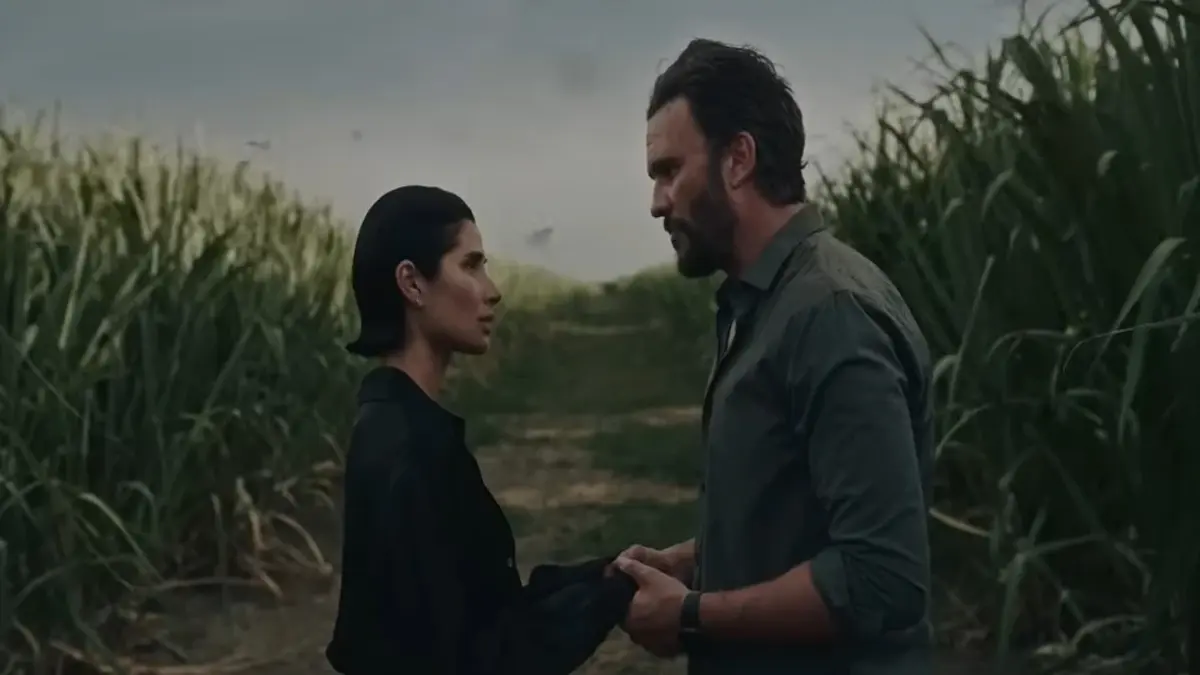
The trailer opens in a rural setting fields stretching endlessly, wind brushing through tall grass. It’s visually calm, yet emotionally charged. The scene you shared, where two characters stand face-to-face, encapsulates the film’s essence: intimacy mixed with conflict.
This approach aligns with current trends in atmospheric tension in cinema, where filmmakers rely on silence, framing, and performance rather than exposition.
What stands out:
- Minimal dialogue, maximum emotional weight
- Tight framing to emphasize character psychology
- Natural lighting to create realism and unease
What the Trailer Reveals
While the trailer avoids giving away too much, several narrative clues emerge.
Possible storyline:
At its core, The Whistler appears to revolve around:
- A fractured relationship
- A shared past filled with unresolved conflict
- A mysterious element possibly tied to the “whistler” itself
The title suggests either:
- A symbolic presence (a person, memory, or trauma)
- Or a literal character whose actions drive the plot
The tension between the two main characters hints at:
- Betrayal
- Secrets buried in the past
- Emotional or moral conflict
This places the film squarely within the character-driven thriller analysis category, where internal struggles outweigh external threats.
Character Dynamics: Emotion Over Action
The still image you provided is incredibly telling. The way the two characters hold hands while maintaining intense eye contact suggests:
- A relationship that is deeply personal yet strained
- A moment of confrontation or reconciliation
- Emotional stakes that feel authentic and grounded
Unlike high-budget thrillers that prioritize spectacle, The Whistler focuses on human connection and psychological realism.
Key Observations:
- Body language communicates more than dialogue
- Eye contact reflects tension and vulnerability
- Physical closeness contrasts emotional distance
This is a hallmark of modern suspense filmmaking trends, where storytelling becomes more nuanced and character-focused.
Visual Storytelling at Its Finest
One of the strongest elements of the trailer is its cinematography.
Techniques used:
- Muted color palette: Creates a somber, introspective tone
- Natural landscapes: Symbolize isolation and emotional distance
- Close-up shots: Capture subtle facial expressions
The rural setting plays a crucial role. In thriller film cinematography breakdown, environments often mirror internal states. Here, the open yet empty landscape suggests:
- Loneliness
- Emotional exposure
- A lack of escape
Hidden Symbolism and Themes
The trailer subtly introduces several thematic layers:
1. Silence vs. Sound
The concept of “whistling” implies sound, yet the trailer emphasizes silence. This contrast may symbolize:
- Suppressed truths
- Communication breakdown
- Emotional repression
2. Nature as a Metaphor
The tall grass and open fields could represent:
- Hidden truths beneath the surface
- The unpredictability of human emotions
3. Physical Contact
The act of holding hands, despite tension, suggests:
- A bond that cannot be easily broken
- Conflict intertwined with connection
These elements align with film narrative symbolism explained, adding depth beyond the surface story.
Why This Film Matters
In today’s cinematic landscape, audiences are increasingly drawn to films that challenge them intellectually and emotionally.
The Whistler fits into this category by:
- Prioritizing emotional realism
- Exploring complex human relationships
- Avoiding predictable storytelling
This makes it appealing to viewers searching for:
- slow burn suspense movies
- psychological thriller movie analysis
- deep storytelling experiences
Where The Whistler Fits
Globally, there has been a shift toward more introspective thrillers. Films are moving away from formulaic plots and toward nuanced storytelling techniques.
Similar trends can be seen in:
- Indie psychological thrillers
- European cinema’s emphasis on character
- Streaming platforms promoting slow-paced narratives
The Whistler seems poised to tap into this demand, offering a film that is both artistically rich and commercially viable.
Final Thoughts
The Whistler doesn’t try to overwhelm it quietly unsettles, and that’s exactly what makes it compelling. In an era where many thrillers rely on noise and spectacle, this film leans into restraint, letting silence, performance, and atmosphere do the heavy lifting. The trailer alone suggests a story rooted in emotional complexity, where every glance, pause, and gesture carries weight.
What stands out most is its confidence. It trusts the audience to engage, to question, and to sit with discomfort rather than rush toward easy answers. That’s a rare quality and one that often separates forgettable films from truly memorable ones.
If the full film delivers on what the trailer promises, The Whistler could emerge as one of the most quietly powerful psychological thrillers in recent years one that lingers long after the screen fades to black.
SOURCE: Vertical Entertainment, IMDB, Rotten Tomatoes, British Film Institute (BFI), Variety, The Hollywood Reporter
Keep in Touch For More Updates: www.buzzwithriz.com
Table of contents
- A Study in Minimalism and Tension
- What stands out:
- What the Trailer Reveals
- Possible storyline:
- Character Dynamics: Emotion Over Action
- Key Observations:
- Visual Storytelling at Its Finest
- Techniques used:
- Hidden Symbolism and Themes
- 1. Silence vs. Sound
- 2. Nature as a Metaphor
- 3. Physical Contact
- Why This Film Matters
- Where The Whistler Fits
- Similar trends can be seen in:

1 Comment
Pingback: Unchosen Netflix Trailer Breakdown: What It Really Means - buzzwithriz.com