

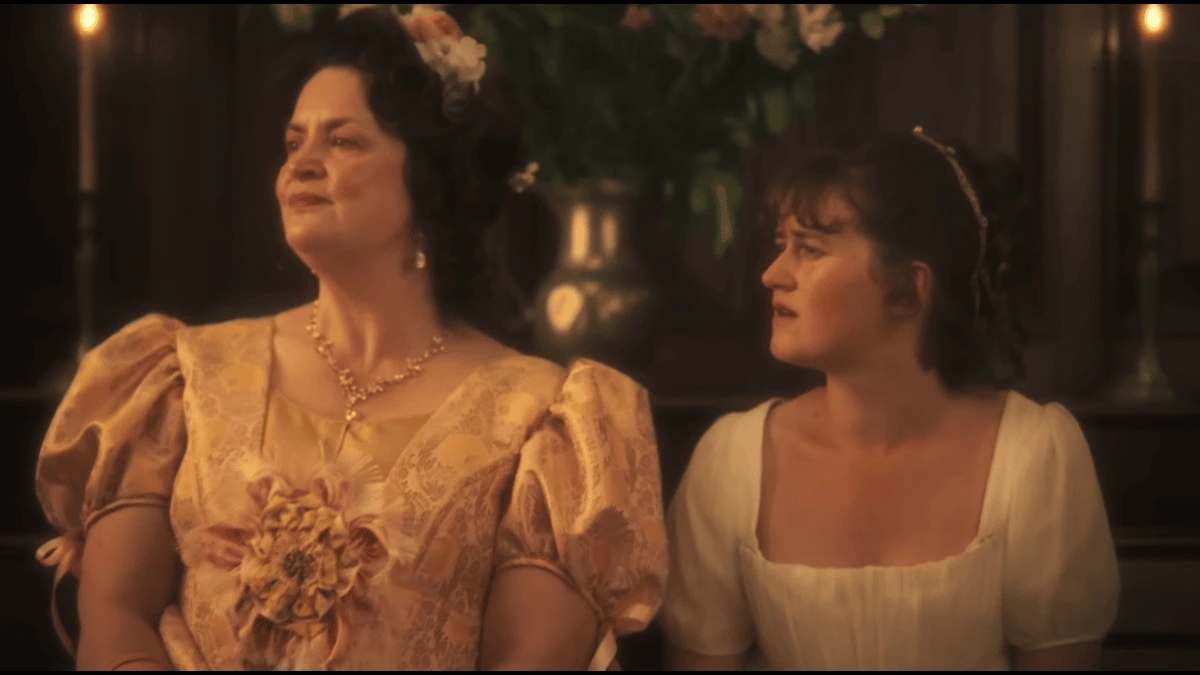
The Other Bennet Sister: Reclaiming Mary Bennet’s Voice in a New Era of Austen Adaptations.
Introduction
Described as “the mother of all heartbreaks,” The Other Bennet Sister offers a fresh and deeply human perspective on one of Jane Austen’s most overlooked characters: Mary Bennet.
Stepping out from the shadows of her more celebrated sisters, Mary begins a journey of self-discovery one that leads her not only toward love, but toward a deeper understanding of herself.
A Long-Overdue Spotlight on Austen’s Quietest Character
For over two centuries, Jane Austen’s Pride and Prejudice has remained a cornerstone of English literature, celebrated for its wit, romance, and social observation. Yet within its beloved cast of characters, Mary Bennet has often been relegated to the margins remembered more for her awkward moralizing than for any emotional depth.
The Other Bennet Sister changes that narrative entirely.
This reimagining doesn’t simply revisit Austen’s world; it expands it. By placing Mary Bennet at the center, the story challenges long-held assumptions about visibility, worth, and what it means to truly be seen.
For readers searching “The Other Bennet Sister Mary Bennet character analysis” or “Pride and Prejudice spin-off Mary Bennet story explained,” this adaptation offers both literary richness and emotional resonance.
Who Is Mary Bennet Really?
In Austen’s original text, Mary is the middle Bennet sister: intelligent but socially awkward, earnest but often overlooked. She lacks the sparkling wit of Elizabeth, the beauty of Jane, or the dramatic flair of Lydia.
But what if those perceived shortcomings were never flaw only unexplored depths?
This is the central premise of The Other Bennet Sister. It reframes Mary not as a secondary character, but as a young woman shaped by comparison, expectation, and quiet resilience.
Rewriting the Narrative of “The Unnoticed Woman”
One of the most compelling aspects of this story is its focus on emotional invisibility. Mary’s journey reflects a universal experience: feeling unseen in a world that rewards charisma and convention.
Key Themes Explored:
- Self-worth beyond societal validation
- The emotional cost of comparison
- The courage to redefine identity
- Love as self-recognition, not just romance
These themes resonate strongly with modern audiences, particularly those drawn to “female-led period drama character development” and “literary adaptations focusing on overlooked characters.”
Love, But Not as You Expect It
While romance plays a role in Mary’s journey, it is not the defining element. Unlike traditional Austen narratives, where marriage often serves as resolution, The Other Bennet Sister treats love as part of a broader emotional evolution.
Mary’s story asks a more nuanced question:
What does it mean to be loved when you have never truly seen yourself?
This shift transforms the narrative from a romance into a coming-of-age exploration layered with psychological depth.
The Evolution of Austen Adaptations
In recent years, adaptations of classic literature have moved beyond faithful retellings. Instead, creators are revisiting familiar stories through new perspectives often focusing on marginalized or overlooked voices.
Examples include:
- Feminist reinterpretations of classic heroines
- Side-character expansions in literary universes
- Modern retellings that emphasize emotional realism
The Other Bennet Sister fits squarely within this trend, aligning with audience demand for “modern reinterpretations of classic novels” and “Jane Austen adaptations with feminist perspective.”
Why This Story Matters Now
At a time when conversations around identity, self-worth, and representation are more prominent than ever, Mary Bennet’s story feels particularly relevant.
Her journey reflects:
- The pressure to conform
- The struggle for recognition
- The quiet strength of introspection
These are not just historical themes they are contemporary realities.
Narrative Style: Intimate, Reflective, and Character-Driven
Unlike the brisk social pacing of Pride and Prejudice, this adaptation adopts a more introspective tone. The storytelling lingers in moments of doubt, reflection, and emotional growth.
A Broader Cultural Shift in Storytelling
The success of projects like The Other Bennet Sister signals a shift in how stories are told. Audiences are no longer satisfied with singular perspectives. They seek depth, nuance, and alternative viewpoints.
This trend is evident across:
- Television adaptations
- Streaming platforms
- Contemporary literature
It reflects a broader cultural movement toward inclusivity not just in casting, but in narrative focus.
Final Reflection
The Other Bennet Sister is more than a reinterpretation it’s a reclamation. It gives voice to a character who has long existed in the background and, in doing so, challenges us to reconsider how we define importance in storytelling.
Mary Bennet’s story reminds us that sometimes, the quietest voices carry the most profound truths.
Source
- Jane Austen Society
- British Library Austen Collection
- Penguin Classics Austen Editions
- BBC
Keep in Touch For More Updates: www.buzzwithriz.com
