

There are stories that transcend time, culture, and geography and the story of Moses is undeniably one of them. With the release of The Old Stories: Moses (2026) official trailer, audiences are witnessing not just another biblical retelling, but a bold cinematic reimagination designed for modern viewers.
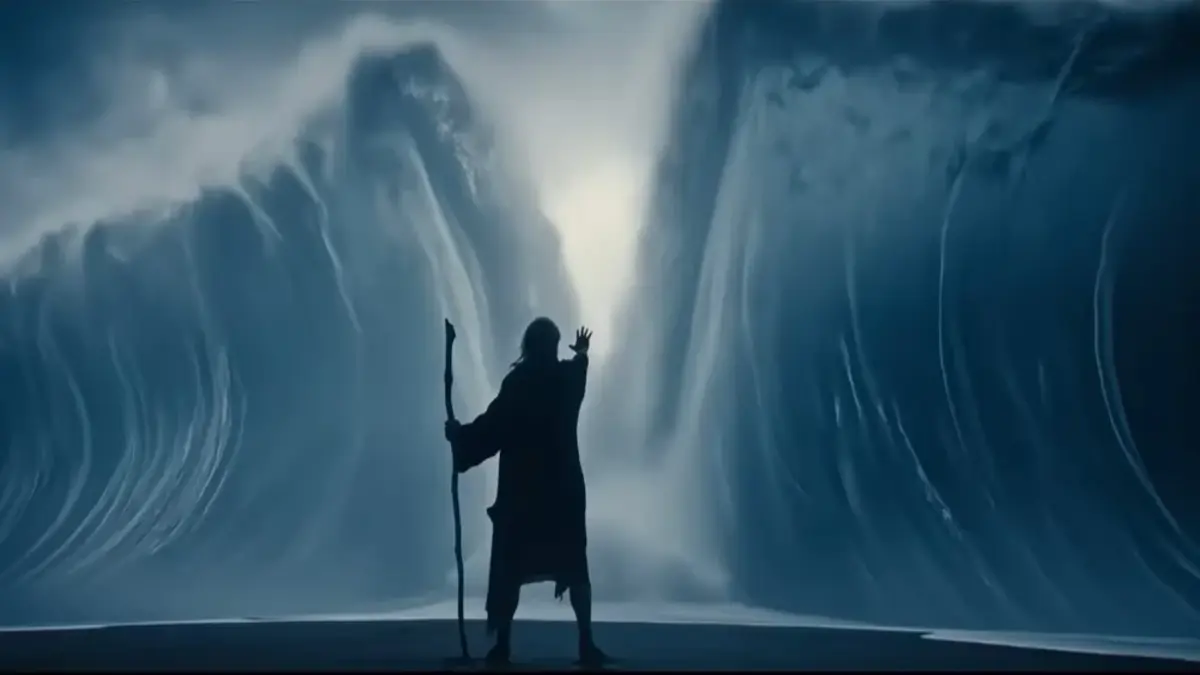
From the very first frame, the trailer positions itself as more than a religious narrative. It presents Moses as a deeply human figure flawed, conflicted, and ultimately transformative. The imagery of towering walls of water, a lone figure with a staff, and a sense of divine confrontation signals a production that aims to balance spectacle with spiritual depth.
As someone who has analyzed historical and biblical films for years, it’s clear this project is attempting to bridge the gap between faith-based storytelling and mainstream cinematic excellence.
Visual Storytelling at Its Peak
The trailer opens with a striking visual: a silhouette of Moses standing before what appears to be the parted sea. This moment is not rushed it lingers, allowing the audience to absorb the scale and emotional weight.
Key Highlights from the Trailer
- Cinematic scale rivaling modern blockbuster epics
- Muted, atmospheric color grading emphasizing realism over fantasy
- Minimal dialogue, relying on visual storytelling
- A grounded portrayal of miracles, avoiding over-stylization
Unlike earlier portrayals, this trailer suggests a more restrained approach. The miracles are not exaggerated they feel almost tangible, rooted in the natural world.
A New Era of Biblical Epics
For decades, biblical films have struggled to find balance. Some lean too heavily into spectacle, while others lack emotional resonance. The Old Stories: Moses appears to take a different path.
What Sets This Film Apart
- Focus on character psychology and leadership struggle
- Emphasis on historical texture and cultural realism
- A tone that blends spiritual depth with cinematic authenticity
This aligns with current audience preferences, where viewers seek stories that feel real—even when they depict divine intervention.
The Human Side of Moses
One of the most compelling aspects of the trailer is its portrayal of Moses not as a distant prophet, but as a man burdened by responsibility.
Themes Emerging from the Trailer
- Identity and belonging
- Moral conflict and doubt
- Leadership under pressure
- Faith versus fear
These themes resonate universally, making the story accessible even to audiences unfamiliar with biblical texts.
Cinematography and Direction: A Visual Masterclass
The film’s visual language deserves special attention. The use of scale, lighting, and framing suggests a director deeply invested in immersive storytelling.
Technical Strengths Observed
- Wide-angle shots emphasizing isolation and scale
- Natural lighting enhancing authenticity
- Slow pacing to build emotional tension
- Symbolic imagery (water, desert, light vs. shadow)
The parted sea sequence alone hints at a blend of practical effects and advanced CGI, executed with restraint an approach that often results in more timeless visuals.
Biblical Accuracy vs. Creative Interpretation
A recurring debate in faith-based films is the balance between scripture and storytelling. While the trailer doesn’t reveal everything, it suggests a respectful yet interpretive approach.
What Viewers Can Expect
- Core events likely remain faithful to biblical accounts
- Character motivations expanded for dramatic depth
- Dialogue modernized for accessibility
This balance is crucial. Strict adherence can limit narrative engagement, while excessive liberties risk alienating core audiences. Early impressions suggest the film walks this line carefully.
Global Appeal and Cultural Relevance
One of the strongest indicators of the film’s potential success is its global positioning. The trailer avoids overt religious messaging, instead focusing on universal themes.
Why This Matters
- Expands audience beyond religious viewers
- Makes the story relevant in contemporary contexts
- Enhances international marketability
In today’s cinematic landscape, global appeal is essential and this film seems designed with that in mind.
Audience Expectations and Early Reactions
While the film has yet to release, early reactions to the trailer suggest a cautiously optimistic reception.
What Audiences Are Saying
- Appreciation for serious tone and realism
- Curiosity about casting and performances
- Interest in visual effects quality
However, expectations are high. Biblical epics often face scrutiny from both critics and faith communities, making execution crucial.
Potential Challenges Ahead
No film of this scale is without risk.
Key Challenges
- Balancing faith-based and mainstream audiences
- Avoiding clichés common in biblical films
- Delivering consistent narrative pacing
If the film succeeds, it could redefine the genre. If not, it risks being another visually impressive but emotionally distant production.
Final Thought
The Old Stories: Moses (2026) has all the elements of a standout film strong visual direction, a human-centered narrative, and global appeal.
What makes it particularly exciting is its intent. This is not just a retelling; it’s a reinterpretation aimed at connecting ancient wisdom with modern sensibilities.
If the full film delivers on the promise of its trailer, it could mark a turning point for biblical cinema bringing depth, nuance, and authenticity back to the forefront.
SOURCE: IGN, Prime Video, IMDB, History.com, Bible Gatewa
Keep in Touch For More Updates: www.buzzwithriz.com
Table of contents
- Visual Storytelling at Its Peak
- Key Highlights from the Trailer
- A New Era of Biblical Epics
- What Sets This Film Apart
- The Human Side of Moses
- Themes Emerging from the Trailer
- Cinematography and Direction: A Visual Masterclass
- Technical Strengths Observed
- Biblical Accuracy vs. Creative Interpretation
- What Viewers Can Expect
- Global Appeal and Cultural Relevance
- Why This Matters
- Final Thought
