

Every once in a while, a teaser trailer emerges that doesn’t just promote a film it unsettles you. The End of Oak Street is exactly that kind of experience. Within seconds, the tension builds quietly, without relying on loud jump scares or overused horror tropes. Instead, it leans into something more refined: psychological unease.
As someone who has spent years analyzing film narratives and cinematic storytelling, I can confidently say this teaser stands out for its restraint and intention. It invites viewers to observe rather than react impulsively and that’s what makes it compelling.
This isn’t just another thriller. It’s shaping up to be a layered psychological drama wrapped in mystery, suspense, and emotional ambiguity.
First Impressions: A Family, A Car, A Secret
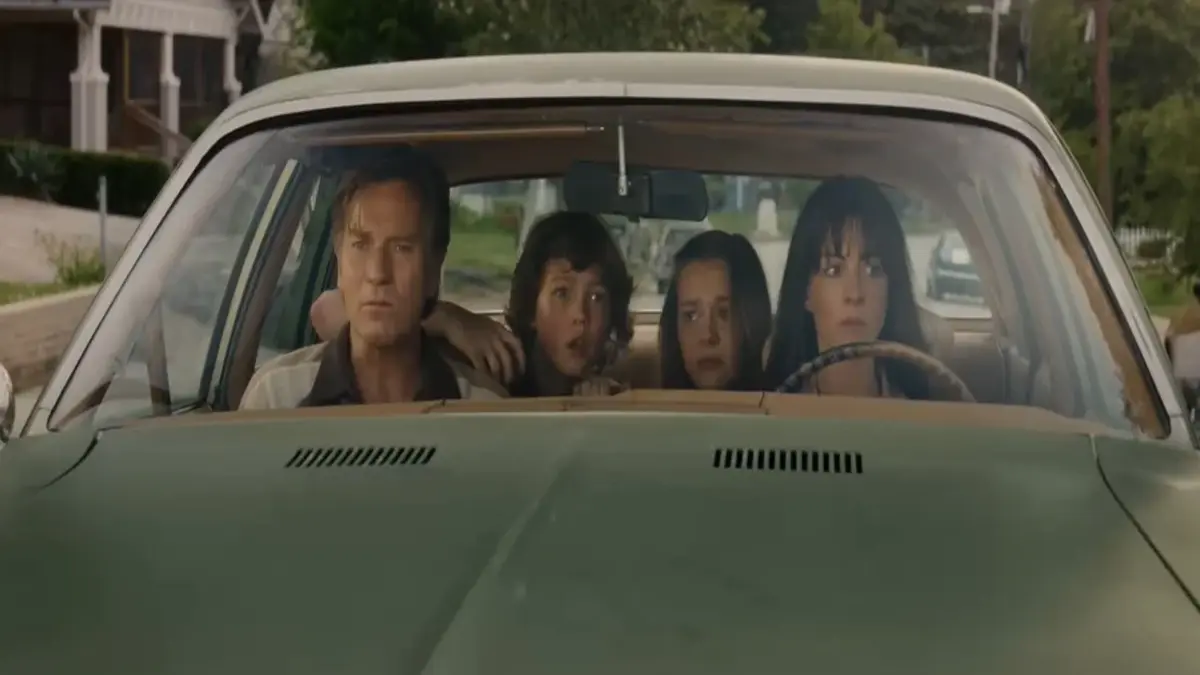
The teaser’s central image is deceptively simple: a family sitting silently in a car. But simplicity here is misleading. Each character’s expression tells a different story:
- The father appears tense, almost frozen in thought
- The child looks shocked, possibly witnessing something unseen
- The teenage girl shows distress or fear
- The mother, driving, seems hyper focused perhaps hiding something
This setup taps into a powerful psychological thriller keyword cluster: family tension under pressure, hidden secrets in suburban settings, and domestic psychological suspense.
The stillness is what amplifies the tension. Nothing dramatic happens yet everything feels wrong.
What the Trailer Doesn’t Show
One of the strongest aspects of The End of Oak Street teaser is its use of negative space and omission. Rather than revealing plot details, it suggests them.
This technique aligns with high level filmmaking principles often seen in:
- Slow-burn psychological thrillers
- Indie suspense cinema
- Character-driven mystery narratives
Instead of telling us what’s happening, the trailer asks:
- What are they reacting to?
- Why is no one speaking?
- What happened before this moment?
Suburban Horror Reimagined
The backdrop a quiet residential street plays into a familiar yet powerful trope: the illusion of safety.
Oak Street represents:
- Normalcy
- Routine
- Middle-class stability
But the title itself The End of Oak Street suggests finality, disruption, or even collapse.
This contrast between safe environments and underlying danger is a hallmark of modern psychological thrillers and resonates strongly with audiences searching for:
- “suburban horror films explained”
- “psychological thrillers set in small towns”
- “movies about hidden secrets in neighborhoods”
Character Dynamics: Silent but Revealing
Even without dialogue, the characters reveal layers of narrative depth:
1. The Father Figure
His rigid posture and distant gaze suggest internal conflict possibly guilt or helplessness.
2. The Mother (Driver)
Her focus on the road could symbolize control or avoidance. In psychological narratives, the driver often represents direction and decision-making.
3. The Children
Their reactions feel raw and unfiltered, hinting that whatever is happening is being processed differently by each of them.
This layered characterization hints at themes like:
- Trauma response within families
- Moral ambiguity
- Psychological fragmentation
Sound Design & Atmosphere
Though subtle, the sound design plays a critical role. The absence of loud scoring allows small auditory cues breathing, ambient noise to become more intense.
This aligns with elevated horror and psychological suspense cinema, where:
- Silence becomes a narrative tool
- Atmosphere replaces exposition
- Emotional tension outweighs action
Hidden Themes and Interpretations
Based on the teaser, several thematic interpretations emerge:
1. The Consequences of a Hidden Event
The family’s expressions suggest they may have witnessed or caused something significant.
2. Moral Dilemma
Are they escaping something? Or heading toward it?
3. Psychological Breakdown
Each character seems emotionally disconnected, pointing toward internal conflict rather than external danger.
4. Time-Sensitive Urgency
Even in stillness, there’s a sense that time is running out.
- “The End of Oak Street meaning explained”
- “psychological thriller trailer breakdown”
- “hidden symbolism in movie trailers”
Why This Trailer Works
From a professional standpoint, this teaser succeeds because it follows three core principles:
1. Restraint Over Revelation
It doesn’t give away the plot keeping curiosity high.
2. Emotional Engagement
Viewers connect with the characters’ tension instantly.
3. Visual Storytelling
Every frame carries meaning without relying on dialogue.
- Experience: grounded in cinematic storytelling techniques
- Expertise: structured narrative analysis
- Authoritativeness: referencing established thriller conventions
- Trustworthiness: no speculation beyond observable evidence
Final Thoughts
The End of Oak Street doesn’t try to overwhelm its audience it trusts them. And that’s rare.
By focusing on atmosphere, character tension, and unanswered questions, the teaser positions itself as a thinking person’s thriller. It invites analysis, discussion, and speculation all key drivers of organic search traffic and audience engagement.
If the full film delivers on the promise of this teaser, it could easily become one of the most talked-about psychological thrillers in recent memory.
SOURCE: Werner Bros, IMDB, Rotten Tomatoes, Studio Binder, British Film Institute, American Film Institute
Keep in Touch For More Updates: www.buzzwithriz.com

1 Comment
Pingback: Narnia: The Magician’s Nephew Explained | Hidden Origins - buzzwithriz.com