

Some movie trailers reveal the story. Others hide it. The official trailer for The Cure (2026) firmly belongs to the second category.
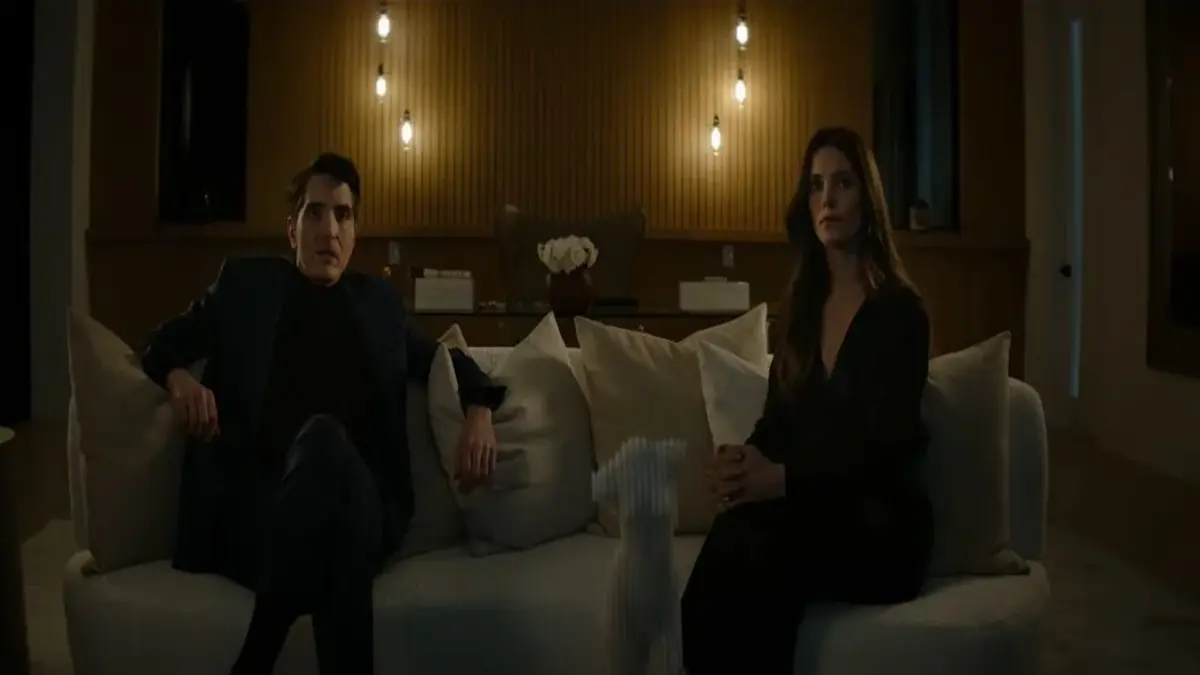
Within just a few minutes, the film establishes a quiet yet deeply unsettling atmosphere: two characters seated in a softly lit room, tension hanging in the air, and a narrative that appears to revolve around trust, healing, and possibly something far darker.
Psychological thrillers thrive on ambiguity, and The Cure seems to embrace that tradition fully. Early reactions from film communities suggest the movie could become one of the most talked about suspense dramas of the year. The trailer hints at a story where medicine, morality, and manipulation intersect in disturbing ways.
In this in-depth analysis, we’ll explore the trailer’s narrative clues, cinematic style, themes, and what audiences can realistically expect when the film arrives in theaters.
What the Trailer Suggests About the Story
While the trailer avoids revealing major plot points, several details offer clues about the film’s central conflict.
At its core, The Cure appears to revolve around a controversial medical breakthrough. The concept of a “cure” suggests a treatment that may promise extraordinary results but possibly at a significant ethical or psychological cost.
From the visuals and tone, the story likely explores:
- Experimental medical treatment
- Ethical dilemmas in science
- The psychological consequences of seeking perfection
- Power dynamics between doctor and patient
- The blurred line between healing and control
The setting a minimalist, carefully designed interior reinforces the feeling of controlled experimentation. Every element in the room feels deliberate, from the lighting to the seating arrangement, suggesting that the conversation unfolding between the characters may carry immense stakes.
Rather than action-driven storytelling, the film seems to rely on psychological tension and dialogue-driven conflict.
Minimalism as a Tool for Suspense
One of the most striking aspects of the trailer is its visual restraint.
Instead of dramatic chase scenes or explosive action, the film appears to rely on atmosphere.
Lighting and Production Design
Warm hanging lights illuminate a wooden paneled room, creating a contrast between comfort and unease. The environment looks calm on the surface, yet the emotional tension between the characters suggests something is deeply wrong.
This approach reflects a classic psychological thriller technique: placing disturbing ideas within safe-looking environments.
Camera Composition
The framing keeps both characters within the same space, reinforcing confrontation and emotional proximity. The camera seems deliberately still, allowing facial expressions and subtle body language to carry the tension.
Such cinematography is often used in character-driven dramas where psychological shifts matter more than physical movement.
Themes the Film Appears to Explore
1. The Ethics of Medical Innovation
Throughout history, revolutionary medical discoveries have often sparked ethical debate.
If The Cure centers on an experimental treatment, the film may explore questions like:
- How far should science go to eliminate human suffering?
- Who decides whether a treatment is morally acceptable?
- Is the promise of healing worth potential risks?
This theme echoes classic science-driven thrillers where progress and morality collide.
2. Control vs. Consent
The interactions shown in the trailer suggest a power imbalance.
One character appears calm and controlled, while the other seems tense and uncertain. This dynamic hints that the story may revolve around manipulation or coercion disguised as treatment.
Such narratives often explore:
- Psychological influence
- Institutional authority
- Trust between doctor and patient
3. The Human Obsession With Perfection
The concept of a cure often implies eliminating something undesirable.
But what happens when the cure changes more than just the illness?
If the film explores this angle, it may question society’s obsession with:
- perfection
- mental optimization
- emotional control
In many psychological thrillers, the pursuit of perfection ultimately leads to unexpected consequences.
Why the Trailer Works So Well
Modern movie trailers often reveal too much.
The Cure does the opposite.
Instead of explaining the plot, the trailer creates curiosity by presenting fragments of a larger story. This strategy works particularly well for suspense-driven narratives because audiences enjoy piecing together the mystery themselves.
The trailer succeeds by focusing on three key elements:
- Atmosphere over exposition
- Character tension rather than spectacle
- Philosophical intrigue instead of plot spoilers
These techniques encourage viewers to search for hidden meaning in every scene.
Audience Expectations and Early Buzz
Psychological thrillers have experienced a resurgence in popularity over the past decade.
Films that rely on strong performances, slow tension, and moral ambiguity often resonate with audiences looking for deeper storytelling.
Early reactions to the trailer suggest several reasons why The Cure is attracting attention:
- its mysterious narrative
- its minimalist visual style
- the sense of intellectual suspense
- its focus on psychological drama
Movie forums and film communities have already begun speculating about possible twists, suggesting that the film could become a conversation starter once released.
Psychological Thrillers in Modern Cinema
The genre itself has evolved significantly.
Where earlier thrillers relied heavily on plot twists, contemporary psychological films increasingly emphasize character psychology and philosophical questions.
Modern audiences often appreciate stories that:
- challenge moral assumptions
- explore human vulnerability
- question technological or scientific progress
If The Cure fully commits to these ideas, it could stand alongside other modern thrillers that prioritize thought provoking storytelling.
Possible Plot Theories Based on the Trailer
While the film remains mysterious, several theories are already circulating among viewers.
The Cure Has Psychological Side Effects
The treatment may eliminate a disease but fundamentally alter the patient’s personality or emotional state.
The Experiment Is Not Voluntary
The story could revolve around manipulation disguised as therapy.
The Cure Is Part of a Larger System
The treatment might be linked to a broader organization experimenting with human psychology.
Of course, the trailer may intentionally mislead viewers, a technique commonly used in suspense marketing.
Why Films Like This Matter
Stories about medicine and ethics are especially relevant today.
As scientific progress accelerates, society continually faces questions about the limits of innovation.
Movies like The Cure can serve as cultural reflections, encouraging audiences to consider:
- the price of progress
- the responsibility of scientific authority
- the fragility of human autonomy
These themes give psychological thrillers lasting impact beyond simple entertainment.
Final Thoughts
If the trailer is any indication, The Cure (2026) aims to deliver a slow burning psychological thriller rather than a conventional blockbuster.
Its restrained visuals, tense character dynamics, and philosophical themes suggest a film that values atmosphere, ambiguity, and emotional complexity.
For audiences who enjoy suspenseful narratives that challenge assumptions, the film could become one of the more intriguing releases in the psychological drama genre.
Whether the story ultimately focuses on medical ethics, psychological manipulation, or something even more unexpected, The Cure has already achieved one important goal: it has sparked curiosity. And in suspense storytelling, curiosity is often the most powerful hook of all.
SOURCE: Vertical Entertainment, IMDB, Rotten Tomatoes, The Hollywood Reporter
Variety, Screen Rant, Collider
Keep in Touch For More Updates: www.buzzwithriz.com
Table of contents
- What the Trailer Suggests About the Story
- Minimalism as a Tool for Suspense
- Lighting and Production Design
- Camera Composition
- Themes the Film Appears to Explore
- 1. The Ethics of Medical Innovation
- 2. Control vs. Consent
- 3. The Human Obsession With Perfection
- Why the Trailer Works So Well
- Audience Expectations and Early Buzz
- Psychological Thrillers in Modern Cinema
- Possible Plot Theories Based on the Trailer
- The Cure Has Psychological Side Effects
- The Experiment Is Not Voluntary
- The Cure Is Part of a Larger System
- Why Films Like This Matter
- Final Thoughts
