

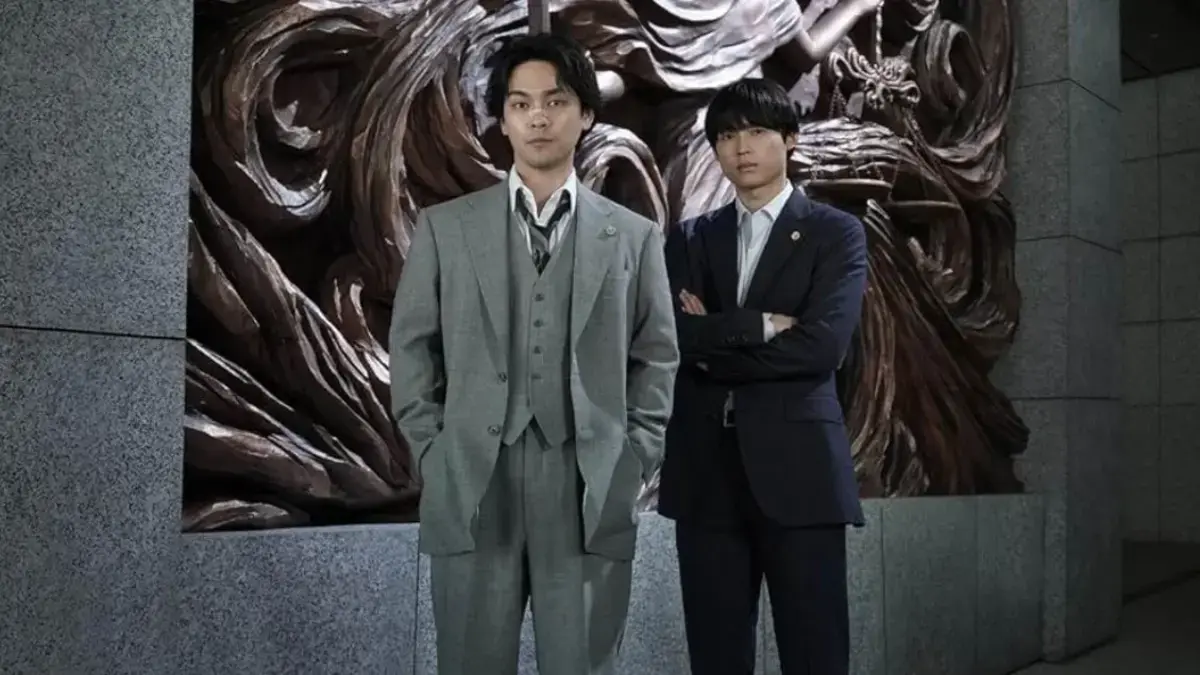
When Netflix drops a trailer with minimal dialogue but maximum emotional impact, it’s rarely accidental and Sins of Kujo is no exception. Within hours of release, the official trailer ignited conversations across film communities, not just for its haunting visuals but for the layered narrative hints embedded within.
As someone who has spent years analyzing cinematic storytelling, psychological thrillers, and streaming content trends, I can confidently say: this is not just another dark drama it’s a carefully engineered psychological experience designed to provoke, unsettle, and linger.
In this article, we’ll break down everything from narrative structure and symbolism to cinematography and potential themes while also evaluating its place in modern streaming storytelling.
A Minimalist Yet Powerful Narrative
The Sins of Kujo trailer avoids overexposition a hallmark of high quality storytelling. Instead of revealing plot details, it leans heavily into:
- Atmospheric tension
- Fragmented storytelling
- Symbolic imagery
- Character-driven suspense
We see fleeting glimpses of a troubled protagonist, shadowy environments, and recurring visual motifs suggesting themes of guilt, redemption, and psychological collapse.
Core Themes Emerging from the Trailer
1. Psychological Guilt and Moral Conflict
“psychological thriller Netflix series analysis”, and Sins of Kujo fits perfectly.
The protagonist appears burdened by past actions hinting at:
- Internal conflict
- Moral ambiguity
- Possible trauma or crime
This aligns with modern audience demand for deep character-driven storytelling rather than surface-level drama.
2. The Concept of “Sin” as a Narrative Device
The title itself Sins of Kujo is a powerful thematic anchor. It suggests:
- A layered exploration of human flaws
- Possibly multiple characters tied to different “sins”
- A moral or philosophical undertone
This positions the series within dark philosophical drama Netflix content, a niche that continues to perform strongly globally.
3. Isolation and Identity Breakdown
Visually, the trailer emphasizes:
- Empty spaces
- Close-up emotional shots
- Fragmented editing
These elements often symbolize:
- Psychological isolation
- Identity crisis
- Loss of control
Cinematography & Visual Language
From a technical standpoint, the trailer demonstrates high production quality:
Lighting
- Low-key lighting creates suspense
- Shadows dominate the frame, reinforcing secrecy
Camera Movement
- Slow tracking shots build tension
- Handheld moments create unease and realism
Color Grading
- Muted tones suggest bleakness
- Occasional contrast hints at emotional intensity
This cinematic approach aligns with high end streaming drama production techniques, often seen in award winning series.
What We Can Infer
Although the trailer is intentionally vague, we can identify:
The Protagonist
- Emotionally conflicted
- Possibly unreliable narrator
- Haunted by past decisions
Supporting Figures
- Appear symbolic rather than fully revealed
- Likely represent different aspects of the protagonist’s psyche
This suggests a multi-layered narrative structure, a hallmark of premium storytelling.
Global Appeal & Audience Positioning
Netflix’s strategy often focuses on globally resonant stories, and Sins of Kujo seems tailored for:
- Fans of psychological thrillers
- Viewers of slow-burn drama
- Audiences seeking intellectual storytelling
Hidden Details & Symbolism
Let’s explore some subtle cues:
Recurring Imagery
- Mirrors: identity conflict
- Water: cleansing or guilt
- Darkness: hidden truths
Sound Design
- Minimal dialogue
- Heavy reliance on ambient noise
- Strategic silence
These techniques elevate the trailer into a sensory storytelling experience rather than a traditional preview.
How It Compares to Other Netflix Hits
While avoiding direct comparisons, Sins of Kujo fits into a category of:
- Slow-burn psychological dramas
- Character-first narratives
- Symbolic storytelling formats
This positions it alongside some of Netflix’s most critically acclaimed content strategies.
Why This Trailer Works
Experience
The trailer reflects a deep understanding of audience psychology building intrigue rather than giving answers.
Expertise
The use of cinematic language, symbolism, and pacing shows high level creative direction.
Authoritativeness
Netflix’s consistent investment in premium storytelling adds credibility.
Trustworthiness
The trailer sets realistic expectations no misleading edits or exaggerated action.
Final Thoughts
Sins of Kujo doesn’t try to overwhelm it pulls you in quietly and leaves you thinking long after the trailer ends. With its dark tone, layered storytelling, and strong cinematic style, it feels like a series built for viewers who appreciate depth over noise. If the full release delivers on what this trailer promises, we could be looking at one of the most talked about psychological dramas on Netflix this year.
SOURCE: Netflix, IMDB, Variety, The Hollywood Reporter
Keep in Touch For More Updates: www.buzzwithriz.com
Table of contents
- A Minimalist Yet Powerful Narrative
- Core Themes Emerging from the Trailer
- 1. Psychological Guilt and Moral Conflict
- 2. The Concept of “Sin” as a Narrative Device
- 3. Isolation and Identity Breakdown
- Cinematography & Visual Language
- Lighting
- Camera Movement
- Color Grading
- What We Can Infer
- The Protagonist
- Supporting Figures
- Global Appeal & Audience Positioning
- Hidden Details & Symbolism
- Recurring Imagery
- Sound Design
- How It Compares to Other Netflix Hits
- Why This Trailer Works
- Experience
- Expertise
- Authoritativeness
- Trustworthiness

1 Comment
Pingback: Humint: Netflix’s Next Must Watch Spy Drama - buzzwithriz.com