

Historical war dramas have always held a unique place in cinema. When done well, they combine strategy, leadership, political ambition, and raw battlefield spectacle into unforgettable storytelling. The newly released trailer for Rise of the Conqueror suggests that audiences may soon witness another grand addition to the genre.
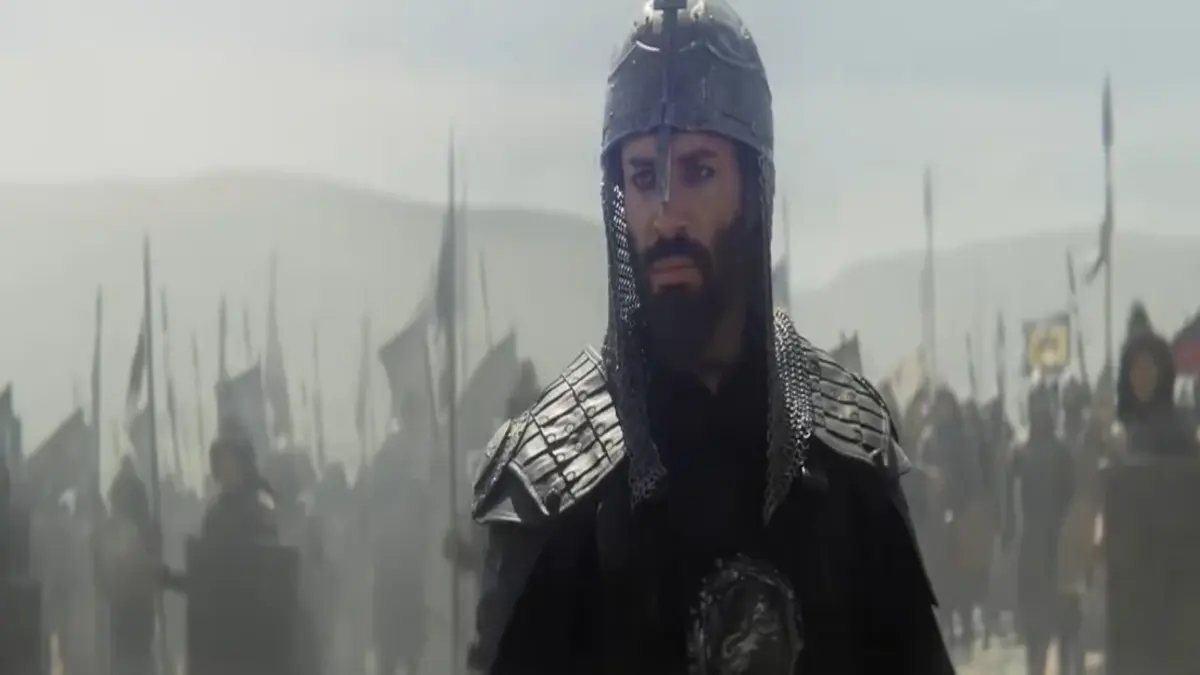
From its opening frames, the trailer sets a tone of ambition and destiny. Armies gather on dusty plains, banners flutter in the wind, and a solitary commander steps forward a visual that instantly signals the film’s focus on power, conquest, and leadership under pressure.
But beneath the sweeping visuals lies a deeper narrative about the cost of empire and the psychology of conquest. In this analysis, we’ll break down the trailer’s key themes, cinematic approach, historical influences, and why this film could become one of the most talked-about historical epics of 2026.
A First Look at the Story
While the trailer keeps much of the plot intentionally mysterious, several narrative clues emerge.
At its core, Rise of the Conqueror appears to follow the journey of a military leader determined to build a powerful empire. The trailer suggests a storyline built around three major pillars:
- Ambition and destiny
- The politics of leadership
- The brutality of war
The protagonist is portrayed as a strategist rather than merely a warrior. His calm demeanor in front of massive armies hints at someone who understands that wars are often won by intelligence and patience rather than sheer strength.
Many historical films focus purely on action, but the trailer indicates this story may explore the moral dilemmas behind conquest a theme that has defined the best war epics in cinema history.
Cinematic Scale and Visual Direction
One of the most striking elements of the trailer is its cinematic scale.
The battlefield scenes appear massive. Rows of soldiers stretch across the horizon, spears and banners forming patterns that resemble historical battle formations. This visual approach immediately evokes comparisons to legendary historical epics.
The cinematography emphasizes:
- Wide landscape shots
- Dust-filled battle environments
- Muted medieval color palettes
- Realistic armor and weapon design
These stylistic choices aim to create authenticity. Instead of overly polished visuals, the film seems to embrace a gritty realism that reflects the harsh conditions of medieval warfare.
For audiences who enjoy films like Gladiator or Kingdom of Heaven, the trailer’s aesthetic will feel familiar yet modern.
The Psychology of a Conqueror
What separates Rise of the Conqueror from typical war films may be its focus on leadership psychology.
The trailer highlights moments where the central commander appears contemplative rather than aggressive. His expressions suggest calculation someone who understands that every battle comes with consequences.
This thematic direction hints that the film could explore questions like:
- What motivates someone to conquer nations?
- Is empire-building driven by vision or ego?
- What sacrifices do leaders make for power?
Historical cinema increasingly embraces these deeper questions, and audiences today expect complex protagonists rather than simple heroic archetypes.
Historical Inspirations Behind the Film
Although the movie’s exact historical setting is not explicitly confirmed in the trailer, the visual cues point toward influences from ancient and medieval military empires.
The armor styles, banners, and formation tactics appear reminiscent of multiple civilizations, suggesting the film may blend historical inspirations rather than depicting a single documented figure.
This storytelling technique allows filmmakers to explore universal themes of conquest while maintaining creative freedom.
Some historians note that the archetype of the “great conqueror” appears across many civilizations from the campaigns of Alexander the Great to the vast empire built by Genghis Khan.
The trailer’s imagery echoes that same narrative tradition: the rise of a leader whose ambitions reshape entire regions.
Battle Choreography and Military Realism
War films succeed or fail based largely on the realism of their battle scenes. Judging from the trailer, Rise of the Conqueror aims for strategic realism rather than chaotic spectacle.
Instead of fast-cut action, the footage suggests carefully choreographed warfare, including:
- disciplined troop formations
- shield wall tactics
- cavalry positioning
- coordinated infantry advances
These details indicate that the filmmakers likely consulted military historians or tactical experts during production.
Authenticity matters because modern audiences are increasingly knowledgeable about historical warfare thanks to documentaries, books, and historical analysis platforms such as History Channel and National Geographic.
The Trailer’s Most Powerful Moment
Every great trailer has one moment that defines it.
In this case, it comes when the central commander walks alone toward the battlefield while thousands of soldiers stand behind him.
The scene communicates several themes simultaneously:
- leadership responsibility
- personal courage
- the weight of commanding an army
It’s a quiet yet powerful cinematic moment that emphasizes character over spectacle.
This type of storytelling approach often resonates strongly with viewers because it transforms war from mere action into human drama.
Why Historical Epics Are Making a Comeback
Over the past decade, historical films have seen renewed interest among audiences worldwide.
Streaming platforms and global film markets have increased demand for large-scale storytelling that explores culture, power, and history.
Recent successes show that audiences still crave epic narratives about civilization, warfare, and leadership.
Several factors explain this resurgence:
1. Global audiences enjoy universal stories
Empire-building narratives transcend national boundaries.
2. Advances in film technology
Modern CGI and production techniques allow filmmakers to recreate massive historical battles more convincingly.
3. Interest in historical storytelling
Podcasts, documentaries, and books about ancient civilizations have become incredibly popular.
Because of these trends, Rise of the Conqueror arrives at an ideal time for historical cinema.
What the Film Could Mean for the Genre
If the final movie delivers on the promise shown in the trailer, it could stand alongside modern historical epics that redefine the genre.
A successful war epic must balance three key elements:
- authentic historical atmosphere
- compelling characters
- spectacular yet meaningful battle sequences
The trailer indicates that the filmmakers understand this balance.
Rather than focusing purely on action, the film appears to emphasize the human cost of ambition and the complexity of leadership.
That approach could help it stand out in an era where audiences expect intelligent storytelling alongside visual spectacle.
Final Thoughts
The official trailer for Rise of the Conqueror (2026) suggests a film that aims for more than simple battlefield entertainment.
It promises a story about ambition, leadership, strategy, and the consequences of conquest.
If the final production maintains the scale, atmosphere, and character depth teased in the trailer, it may become one of the most compelling historical war films of the decade. For fans of epic cinema, this is definitely a title worth watching as more details emerge in the months ahead.
SOURCE: Well Go USA Entertainment, IMDB, Rotten Tomatoes, Box Office Mojo
Keep in Touch For More Updates: www.buzzwithriz.com
