

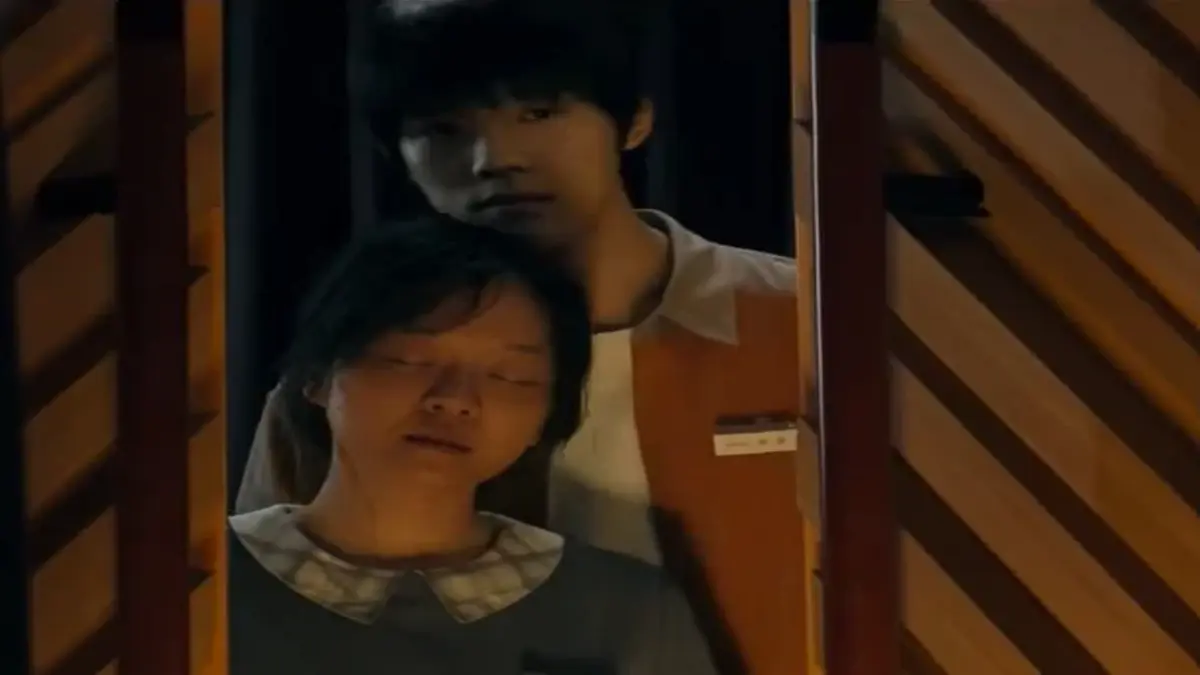
Some trailers shout for attention. Others whisper and somehow leave a deeper scar.
Netflix’s official trailer for Pavane belongs firmly in the second category. With minimal dialogue, restrained performances, and a suffocating emotional stillness, Pavane immediately announces itself as a film that trusts its audience.
In an era dominated by algorithm friendly spectacle, Pavane feels almost defiant a psychological drama rooted in silence, body language, and unresolved pain. This review draws from cinematic analysis, narrative psychology, and global film criticism to unpack why Pavane may become one of Netflix’s most emotionally resonant releases.
What Is Pavane About?
Based on the trailer alone, Pavane appears to center on emotional displacement, trauma, and interpersonal dependence. The title itself Pavane, a slow, ceremonial dance is not accidental. It suggests rhythm, repetition, and restraint rather than release.
The film seems less interested in plot twists and more invested in emotional accumulation: how unresolved grief settles into the body, how silence becomes a language, and how survival sometimes looks indistinguishable from numbness.
Trailer Breakdown: Visual Language Over Dialogue
One of the most striking choices in the Pavane trailer is its refusal to over-explain.
Key Visual Motifs:
- Confined interiors and narrow frames
- Muted, earth-toned color grading
- Long, unbroken shots that resist distraction
- Characters framed behind doors, mirrors, and partitions
These choices reinforce a sense of emotional enclosure. The camera doesn’t chase the characters it waits for them, allowing discomfort to breathe.
This is a hallmark of high end psychological cinema, often seen in festival driven Asian and European dramas.
Performances: Expressive Restraint as Power
From the trailer alone, it’s evident that Pavane relies heavily on micro-expressions rather than monologues.
The actors communicate exhaustion, dependency, and suppressed fear through posture, eye movement, and stillness. This approach demands more from performers and from viewers but rewards attention with authenticity.
Rather than dramatizing trauma, Pavane normalizes it, portraying pain as something lived with rather than resolved.
Themes Beneath the Surface
1. Trauma Without Resolution
Pavane avoids the familiar narrative of healing arcs. Instead, it acknowledges that some wounds are managed, not cured.
2. Emotional Dependency
The trailer hints at relationships formed not from love or desire, but from mutual survival a far more uncomfortable truth.
3. Silence as Violence
The absence of dialogue is not peaceful; it’s oppressive. Silence here functions as a force that shapes behavior and limits escape.
4. The Body Remembers
Fatigue, dissociation, and physical closeness suggest trauma stored physically a concept widely discussed in modern psychology.
Why Pavane Feels Different on Netflix
Netflix has increasingly invested in slow-burn international dramas, but Pavane stands out for its refusal to compromise pacing or emotional density.
Unlike algorithm-optimized thrillers, this film appears designed for:
- Festival-minded viewers
- Fans of character-driven cinema
- Audiences seeking psychological realism
This positions Pavane closer to arthouse releases than mainstream streaming originals.
Cinematic Influences and Style Context
Critically, Pavane echoes elements of:
- Modern Asian psychological dramas
- Minimalist European cinema
- Trauma-centered independent filmmaking
The restrained score, deliberate pacing, and focus on interior states suggest a filmmaker confident in emotional intelligence over spectacle.
Who Should Watch Pavane?
This film is likely ideal for viewers who:
- Appreciate slow, introspective cinema
- Prefer emotional realism over narrative closure
- Enjoy films that linger long after the credits
It may not appeal to audiences seeking fast pacing or explicit explanations and that’s okay. Pavane knows its audience.
Final Critical Perspective
Pavane doesn’t ask for your attention it earns it.
The official trailer suggests a film that respects emotional complexity, trusts silence, and values human fragility over resolution. In a content landscape flooded with noise, Pavane chooses stillness and that may be its greatest strength.
Source: Netflix K-Drama, IMDB, You tube
Keep in Touch For More Updates: www.buzzwithriz.com
Table of contents
- What Is Pavane About? (Without Spoilers)
- Trailer Breakdown: Visual Language Over Dialogue
- Key Visual Motifs:
- Performances: Expressive Restraint as Power
- Themes Beneath the Surface
- 1. Trauma Without Resolution
- 2. Emotional Dependency
- 3. Silence as Violence
- 4. The Body Remembers
- Why Pavane Feels Different on Netflix
- Cinematic Influences and Style Context

1 Comment
Pingback: Virgin River Season 7 Trailer: Story Clues, Cast, and What’s Next. - buzzwithriz.com