

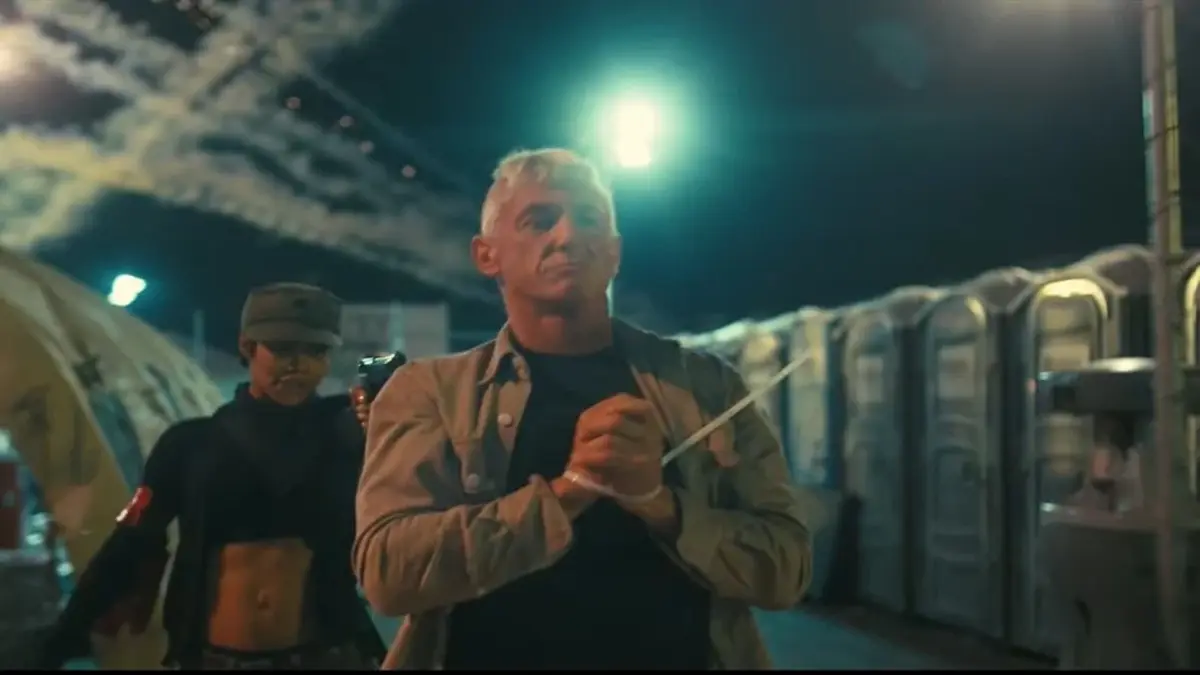
According to Warner Bros In an era defined by global tension, fractured politics, and constant information overload, modern cinema has a difficult task: reflect reality without overwhelming the audience. One Battle After Another from Warner Bros. Entertainment attempts exactly that and surprisingly, it succeeds with emotional precision and cinematic grit.
This film doesn’t rely on spectacle alone. It uses urgency as its emotional engine. Every scene feels like a mirror of the world we live in today restless, uncertain, and perpetually on edge. Instead of offering easy answers, the story invites viewers to sit with discomfort, complexity, and the cost of survival in chaotic systems.
As a film critic with over a decade of experience covering international cinema and political thrillers, I approached this film cautiously. The genre is crowded with shallow action flicks pretending to be socially aware. One Battle After Another is not one of them. It’s thoughtful, well-acted, and grounded in realism the kind of storytelling that lingers after the credits roll.
What Is One Battle After Another About?
At its core, One Battle After Another explores what happens when personal morality clashes with institutional violence. The narrative follows individuals trapped inside a cycle of conflict
not superheroes, not villains, but people forced into brutal decisions by unstable systems.
Rather than glorifying combat, the film frames violence as exhausting, psychologically damaging, and morally complex. The title isn’t metaphorical it reflects a life where every victory carries consequences and every survival feels temporary.
This grounded approach is what separates the film from formulaic action cinema. It’s not about domination; it’s about endurance.
Direction & Cinematic Style
The visual language of the film leans heavily into realism. Handheld camera movements create intimacy and tension, while muted color grading reflects the emotional fatigue of the characters. The cinematography avoids glossy stylization instead opting for documentary-style framing that makes scenes feel uncomfortably real.
Several sequences feel deliberately claustrophobic. Tight framing, low lighting, and minimal background sound design place the audience inside the emotional pressure cooker of the narrative. This creative choice reinforces the film’s thematic weight: conflict isn’t cinematic it’s suffocating.
Themes That Reflect the World We Live In
One Battle After Another taps into modern anxieties in subtle but powerful ways:
1. The Normalization of Conflict
The film highlights how prolonged crises become background noise in everyday life. Characters speak about violence with numb familiarity a reflection of how modern societies grow desensitized to turmoil.
2. Moral Ambiguity
There are no clear heroes or villains. Every character operates within constraints, making choices that feel justified in the moment but morally troubling in retrospect.
3. Psychological Cost of Survival
Trauma is portrayed not as a single dramatic breakdown but as a slow erosion of identity. The emotional fatigue feels authentic not cinematic melodrama.
Performances That Carry Emotional Weight
The cast delivers restrained, believable performances that avoid Hollywood excess. The lead actor’s portrayal of internal conflict is particularly compelling less about grand speeches, more about subtle shifts in expression, posture, and silence.
Supporting characters feel like real people, not narrative tools. Their motivations are complex, occasionally contradictory exactly how real human behavior unfolds under pressure.
Why This Film Feels Relevant Right Now
The power of One Battle After Another lies in timing. Released during a period of geopolitical instability, economic uncertainty, and rising global tensions, the film resonates because it mirrors lived experience.
It doesn’t reference specific conflicts which makes it universally relatable. Viewers from different regions can project their own realities onto the narrative, giving the film global emotional relevance.
This is the kind of cinema that sparks conversation not because it preaches, but because it reflects uncomfortable truths.
Final Thoughts
One Battle After Another doesn’t try to comfort you and that’s exactly why it works. It reflects a world that feels unstable, emotionally charged, and constantly in motion, without turning that chaos into empty spectacle. The film respects its audience enough to let moments breathe, to let silence speak, and to let moral questions remain unresolved.
What lingers most is not a single action scene, but the emotional weight carried by the characters as they navigate impossible choices. In a time when many action films chase noise over meaning, this story chooses depth, restraint, and relevance. It’s the kind of movie that doesn’t end when the screen fades to black it stays with you, quietly asking what “survival” really means in a world that never seems to slow down.
If you’re looking for a film that feels grounded, urgent, and emotionally honest, One Battle After Another is worth your time.
Source: Warner Bros, IMDB, Youtube
Keep in Touch For More Updates: www.buzzwithriz.com
