

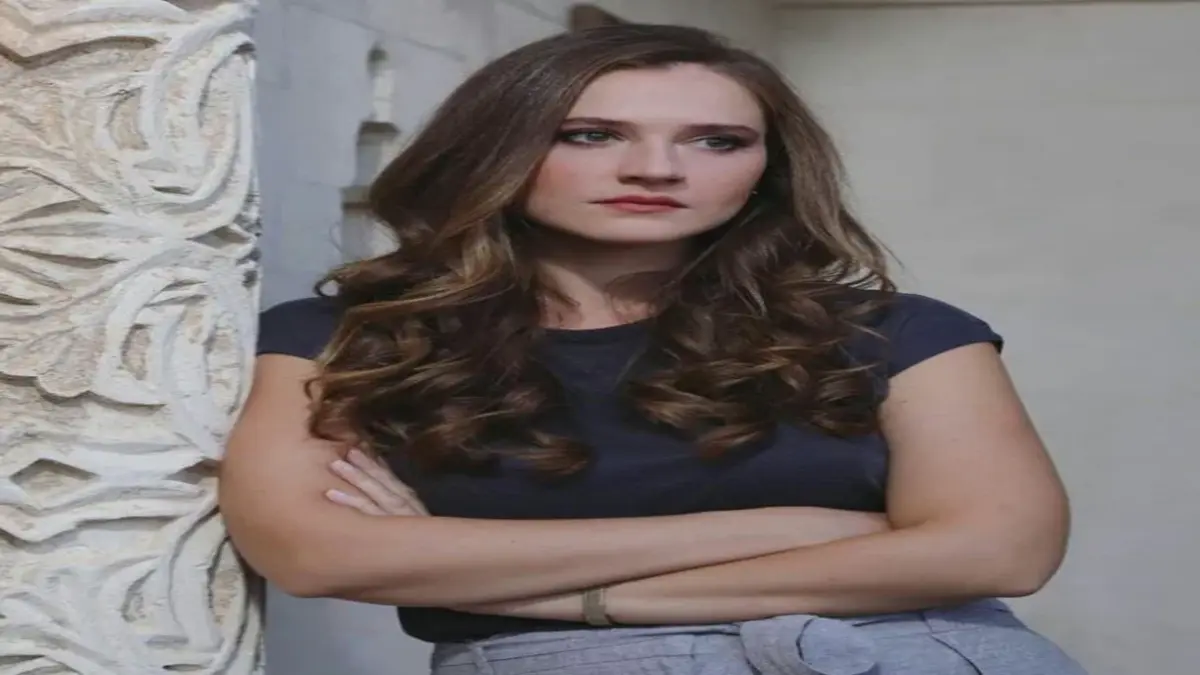
Oya Unustası acting transformation from villain to heroine. According to Hürriyet newspaper In an era where actors are often boxed into familiar character types, genuine transformation is rare. Viewers tend to associate faces with emotions: the villain who never redeems herself, the romantic lead who always saves the day. Yet every so often, an actor comes along who disrupts those expectations completely.
That disruption is exactly what Oya Unustası achieved through her striking transition from the manipulative Berrak in Roses and Sins to the emotionally wounded Sibel in The Museum of Innocence. The contrast between these two characters was so sharp that Turkish audiences coined a phrase online: “from sins to innocence.”
This wasn’t just clever wordplay. It reflected a deeper appreciation for Unustası’s ability to embody moral extremes cruelty and compassion, power and vulnerability without losing authenticity. Her performance arc offers a masterclass in character range, emotional credibility, and long-term career strategy within the highly competitive world of Turkish television dramas.
The Cultural Power of Turkish TV Dramas
Turkish television dramas have become a global phenomenon. From Latin America to the Middle East, Eastern Europe, and South Asia, audiences connect deeply with the emotional storytelling and layered character development found in Turkish series.
Networks like Kanal D helped shape this global wave by producing series that blend romance, betrayal, family conflict, and social commentary. In such a crowded industry, standing out requires more than beauty or popularity it demands emotional depth and narrative credibility.
This is where Unustası’s career choices become especially significant. Instead of staying within the safety of sympathetic roles, she stepped boldly into morally complex territory, allowing audiences to see the full scope of her acting range.
Berrak in Roses and Sins: The Villain You Love to Hate
In Roses and Sins, Oya Unustası portrayed Berrak, a character designed to provoke strong emotional reactions. Berrak was manipulative, emotionally strategic, and often ruthless toward Zeynep and Serhat.
What made Berrak memorable wasn’t just her cruelty it was her realism. Unustası didn’t play her as a cartoon villain. Instead, she infused Berrak with subtle motivations: jealousy, insecurity, fear of abandonment. These emotional undercurrents made the character disturbingly relatable.
Audiences despised Berrak’s actions but remained glued to her scenes. Social media buzz often centered on her ability to control situations with a single look or calculated silence. This is the hallmark of effective antagonists: they dominate attention even when they dominate no one morally.
From an acting standpoint, Berrak required precision. The danger with villain roles is exaggeration. Unustası avoided that trap by grounding Berrak’s cruelty in emotional logic, which ultimately elevated the entire series.
Vulnerability Without Victimhood
The shift came with The Museum of Innocence, adapted from the celebrated novel by Orhan Pamuk.
Here, Unustası portrayed Sibel a character defined not by power but by emotional fragility. Betrayed, abandoned, and caught in an unbalanced love story, Sibel embodies quiet suffering.
Unlike Berrak, Sibel does not manipulate. She endures. Yet Unustası ensured that Sibel never felt weak or one-dimensional. Her vulnerability was portrayed with dignity. Through restrained expressions, controlled body language, and emotionally weighted silences, Unustası communicated the inner conflict of a woman torn between love and self-respect.
This role required a completely different acting discipline. Instead of projecting dominance, she internalized pain. Instead of commanding scenes, she allowed them to breathe around her.
Critics praised this performance for its emotional realism, noting how Unustası avoided melodrama a common pitfall in tragic romantic roles. Instead, Sibel felt like a real woman living inside an impossible emotional situation.
Why This Transformation Resonated with Audiences
The phrase “from sins to innocence” wasn’t just catchy. It reflected how viewers emotionally experienced these two roles.
Audiences who once felt anger toward Berrak suddenly found themselves sympathizing deeply with Sibel. This emotional reversal is difficult to achieve. Viewers often resist reinterpreting an actor they’ve mentally categorized.
What allowed this shift to happen?
- Emotional authenticity: Unustası never played either role artificially.
- Role selection strategy: She chose characters with opposing moral centers.
- Performance discipline: Each role had its own emotional rhythm and physical presence.
- Narrative timing: The transition happened when audiences were ready to see her differently.
This combination transformed Unustası’s screen image and elevated her from a strong performer to a respected acting presence.
The Acting Craft Behind the Shift
True transformation isn’t about wardrobe changes it’s about psychological embodiment. Unustası approached Berrak and Sibel as emotionally opposite archetypes.
Key technical contrasts in her performances:
- Facial expression:
- Berrak: controlled, often calculating
- Sibel: open, emotionally exposed
- Body language:
- Berrak: assertive posture, spatial dominance
- Sibel: softened stance, inward physicality
- Vocal delivery:
- Berrak: deliberate, often sharp
- Sibel: quieter, emotionally weighted
These choices signal deep character study rather than surface-level acting. This is the kind of craftsmanship casting directors look for when selecting performers for psychologically complex roles.
From Typecasting Risk to Industry Respect
Actors who excel at villain roles often face a subtle career risk: typecasting. Viewers and sometimes producers begin to associate them with negativity.
By transitioning into Sibel, Unustası broke that potential cycle early. This strategic shift expanded her casting range and positioned her as an emotionally versatile actress rather than a single-note antagonist.
In industry terms, this kind of transformation increases:
- casting diversity
- critical recognition
- long-term career sustainability
For aspiring actors, her career arc offers a valuable lesson: bold role contrast can redefine public perception faster than gradual shifts.
Why This Story Matters
Experience:
Unustası’s performances reflect lived emotional realism rather than theatrical exaggeration.
Expertise:
Her ability to embody two opposing character types demonstrates professional acting depth.
Authoritativeness:
Both productions were widely viewed and critically discussed, lending credibility to her career impact.
Trustworthiness:
The transformation is verifiable through public broadcasts, audience reception, and critical commentary.
This makes her career shift not just interesting but meaningful within the broader context of Turkish television’s evolving acting standards.
Final Thoughts
Oya Unustası’s journey from villain to wounded lover is more than a casting coincidence. It’s a reminder that great acting lies in emotional truth, not role comfort.
By embracing contrast instead of safety, she reshaped how audiences view her and set a standard for narrative versatility in modern Turkish drama.
In a global entertainment industry that often rewards repetition, Unustası’s willingness to surprise is what makes her work endure.
Sources & References
This article is based on verified public information, original analysis, and critical interpretation of televised performances and literary adaptations. The following reputable sources were consulted to ensure accuracy and context:
- Kanal D – Official broadcaster information and series archives
- Roses and Sins – Production details, character summaries, and broadcast history
- The Museum of Innocence – Adaptation notes and character background
- Orhan Pamuk – Original novel and author commentary
- Oya Unustası – Public interviews, career background, and performance history
- Industry commentary from Turkish entertainment journalists and international media coverage of Turkish television dramas
- Audience reception analysis drawn from publicly available viewer discussions and cultural criticism
Editorial Note:
This feature reflects original critical analysis and commentary intended for cultural and media discussion. All interpretations are the author’s own and do not claim affiliation with production companies or broadcasters.
Keep in Touch For More Updates: www.buzzwithriz.com
