

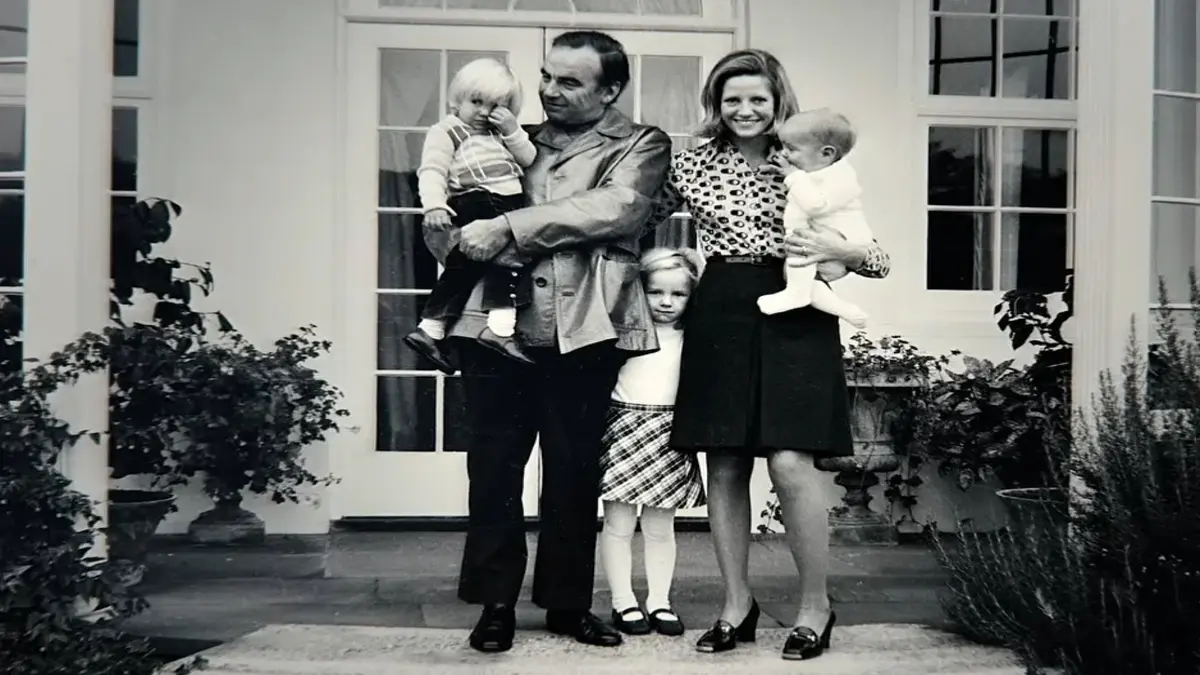
When the official trailer for Dynasty: The Murdochs dropped, it immediately sparked conversation across journalism circles, media studies departments, and global newsrooms. This isn’t just another glossy Netflix documentary. It’s a cultural moment one that promises to peel back the curtain on how power, wealth, and media influence intersect behind closed doors.
The Murdoch family has shaped modern news consumption for decades. From tabloid journalism to cable news dominance, their influence stretches across continents. This series signals a shift: audiences are no longer satisfied with surface-level profiles. They want accountability, context, and a deeper understanding of how media dynasties shape public discourse.
This article breaks down what the trailer reveals, why the Murdoch story matters globally, and how this series could reshape conversations about media power in the digital age.
What the Trailer Actually Tells Us (Beyond the Drama)
The trailer hints at a carefully constructed narrative arc legacy, rivalry, succession, and influence. While Netflix has mastered the art of cinematic tension, what stands out here is the journalistic framing. Former insiders, industry analysts, and archival footage appear to form the backbone of the series.
Key themes teased in the trailer include:
- Power struggles inside the Murdoch empire
- The human cost of building a media dynasty
- Editorial influence and political entanglements
- Succession battles and leadership transitions
- The tension between corporate profit and public responsibility
This positions the documentary closer to investigative storytelling than entertainment spectacle.
Why It Shapes Global Narratives
The Murdoch name is inseparable from global media power. At the center is Rupert Murdoch, whose career spans print, broadcast, and digital platforms. His media holdings through News Corp and Fox Corporation have influenced elections, public opinion, and newsroom culture worldwide.
Outlets like The Wall Street Journal and Fox News have shaped political narratives for millions. The documentary appears to grapple with this power dynamic posing uncomfortable questions about who controls information and whose interests are served.
Why This Documentary Arrives at the Perfect Time
Media trust is at historic lows. Audiences are increasingly skeptical of corporate news structures, algorithm-driven narratives, and partisan reporting. The rise of streaming platforms like Netflix has opened space for long-form storytelling that traditional networks rarely attempt.
This series arrives as:
- Media ownership consolidation accelerates
- Audiences demand transparency
- Journalism faces financial and ethical pressures
- Media literacy becomes a global concern
The timing alone makes this documentary culturally relevant.
A More Nuanced Take on Media Dynasties
Unlike quick-hit biographies, Dynasty: The Murdochs appears to focus on systemic influence rather than personality alone. That’s crucial. Media dynasties operate through structures boards, editors, shareholders, political relationships not just charismatic founders.
The trailer suggests interviews with former executives and journalists who witnessed internal decision-making firsthand.
What Makes This Different From Past Murdoch Coverage?
Previous Murdoch coverage often focused on scandals or sensational headlines. This series seems more analytical:
- It contextualizes media power historically
- It explores generational leadership conflicts
- It examines newsroom culture and editorial influence
- It connects corporate strategy with public impact
That broader framing makes this documentary relevant not just to media professionals, but to anyone interested in how information shapes society.
Ethical Questions the Series Forces Us to Ask
The trailer raises quiet but heavy ethical questions:
- Can media empires truly remain neutral?
- What happens when family loyalty collides with journalistic responsibility?
- How much influence should one family wield over global narratives?
- Who holds media owners accountable?
These are not abstract concerns. They shape elections, public health debates, and social discourse.
Final Verdict:
Dynasty: The Murdochs isn’t just about one family it’s about how modern media power is built, protected, and challenged. In an era of misinformation and polarized narratives, understanding who controls the megaphone matters more than ever.
This documentary has the potential to become a reference point for media literacy, journalism education, and public debate. Whether Netflix fully delivers on the promise teased in the trailer remains to be seen but the conversation it sparks is already overdue.
Sources & References
- Netflix – Official trailer & series page for Dynasty: The Murdochs
https://www.netflix.com - Reuters Institute for the Study of Journalism – Research on media ownership, trust in news, and newsroom independence
https://www.reutersinstitute.politics.ox.ac.uk - Nieman Lab – Ongoing coverage of media power, journalism ethics, and media consolidation
https://www.niemanlab.org - The Wall Street Journal – Background reporting on the Murdoch media empire and corporate influence
https://www.wsj.com - Oxford Internet Institute – Academic analysis on media influence and digital information ecosystems
https://www.oii.ox.ac.uk
Keep in Touch For More Updates: www.buzzwithriz.com
