

By any serious measure, Drops of God is no longer just a television adaptation it is a cultural event.
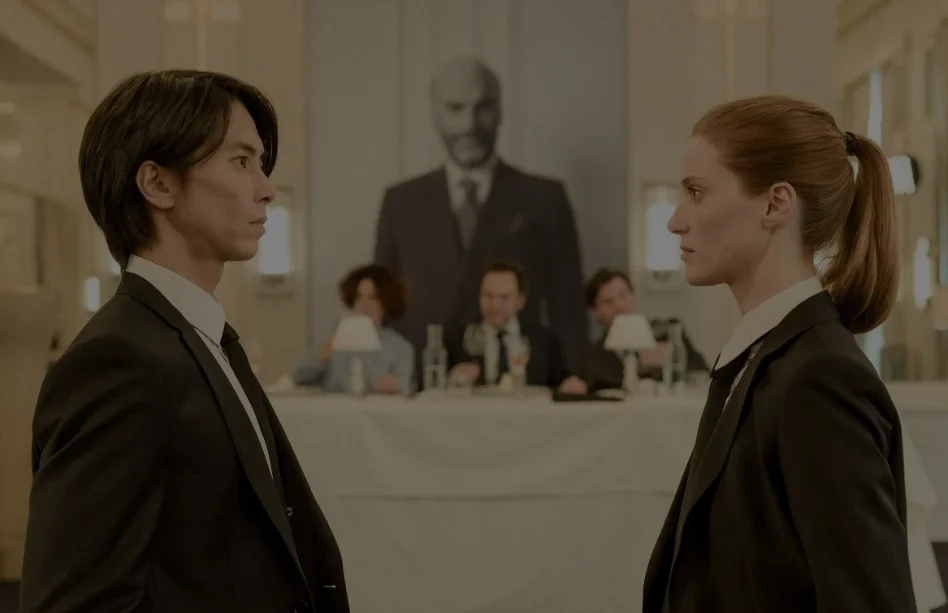
Season 2 of Apple TV+’s internationally acclaimed drama opens with “A New Challenge,” a scene that immediately signals ambition, restraint, and confidence. Rather than leaning on spectacle, the series once again trusts the intelligence of its audience, blending emotional storytelling with the ritualistic precision of fine wine tasting.
This is prestige television that doesn’t shout. It decants.
A Series That Earned Its Authority
From its debut, Drops of God distinguished itself by treating wine not as a prop, but as a language one shaped by history, geography, memory, and identity. Season 2 builds on that foundation with greater thematic maturity.
The show’s credibility rests on three pillars:
- Expertise: Real-world wine professionals and consultants inform the tasting sequences
- Experience: The series draws from lived cultural contrasts between East and West
- Authority: Based on the globally respected manga Kami no Shizuku
- Trust: Avoids melodrama in favor of psychological realism
This is why Drops of God resonates beyond niche wine circles and into the broader world of high-end serialized drama.
“A New Challenge”: Conflict Without Excess
The opening challenge of Season 2 is deceptively simple: two minds, two philosophies, one table.
What makes the scene compelling is not who wins but how they listen, interpret, and remember.
Silence is weaponized. Glances replace exposition. The ritual of tasting becomes an emotional battleground where personal histories surface through aroma and texture.
This approach reflects a rare confidence in modern streaming television: the willingness to slow down.
The Global Lens: Why This Story Feels Different
Unlike many prestige dramas that claim international scope, Drops of God earns it.
Season 2 continues to explore:
- French wine tradition vs. Japanese precision
- Inherited legacy vs. self-made identity
- Sensory intuition vs. disciplined methodology
These contrasts are not presented as opposites, but as parallel truths. The result is a narrative that feels authentically global, not internationally branded.
Cinematography That Tastes Like Memory
Visually, Season 2 refines an already elegant aesthetic.
- Neutral palettes mirror cellar atmospheres
- Close framing heightens psychological tension
- Natural lighting preserves realism
- Camera restraint allows performances to breathe
Wine is never fetishized. Instead, it is treated as an extension of human memory fleeting, imperfect, deeply personal.
This visual philosophy aligns Drops of God more closely with European arthouse cinema than conventional streaming drama.
Writing That Respects the Viewer
One of the show’s most underrated strengths is its writing discipline.
There is no over-explaining of wine terminology. No patronizing dialogue. Viewers are trusted to infer meaning through context, reaction, and silence.
This makes Drops of God Season 2 especially appealing to:
- Viewers tired of formulaic prestige TV
- Wine enthusiasts seeking authenticity
- International audiences craving cultural nuance
- Critics valuing subtext over spectacle
Why Season 2 Matters More Than Season 1
Season 1 introduced the world.
Season 2 interrogates it.
The emotional stakes are no longer abstract. Pride, grief, ambition, and cultural inheritance now collide with greater intensity. “A New Challenge” is less about competition and more about identity under pressure.
This shift elevates the series from an exceptional adaptation to a lasting work of television art.
Final Verdict: A Quiet Masterpiece in Progress
“A New Challenge” does not attempt to shock. It invites you to pay attention.
Season 2 of Drops of God confirms that the series belongs in the same conversation as the most thoughtful international dramas of the decade. It respects craft, rewards patience, and understands that true drama like great wine reveals itself slowly.
Source: Apple TV, You tube
Keep in Touch For More Updates: www.buzzwithriz.com
