

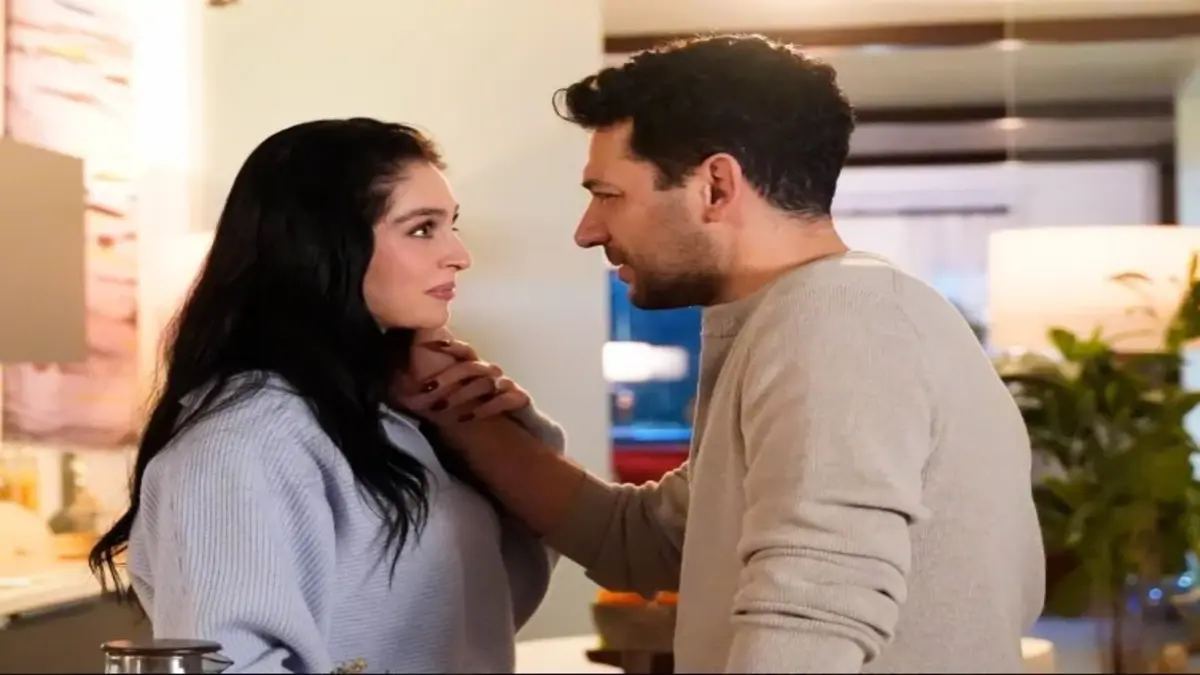
When a television character resonates deeply with viewers, that connection often reflects a larger social truth. In Güller ve Günahlar (Roses and Sins), Aleyna Solaker’s portrayal of Azra, a woman navigating psychological and physical abuse, stands as more than just dramatic storytelling it’s a catalyst for awareness, empathy, and empowerment.
In an in‑depth interview with Hakan Gence, Solaker shared that playing Azra has brought her closer to the lived realities of many women from psychological bullying to unseen emotional wounds and illuminated how storytelling can help people articulate experiences they once couldn’t name.
Today we explore why Azra’s evolution matters, how media depiction impacts real‑world psychological understanding, and what cultural conversations it has ignited among audiences globally.
More Than Fiction A Mirror to Real Struggles
For many viewers, Azra is not merely a fictional character she represents countless individuals who endure psychological abuse, societal pressure, and internalized self‑doubt. As Solaker states, “Invisible wounds are also real.” This statement reframes pain not as weakness, but as a human and valid experience.
What Makes Azra’s Story Significant?
- Deep exploration of psychological abuse: Beyond visible bruises, the series examines manipulation, control, and emotional suppression.
- Depiction of everyday desires: Azra’s yearning for simplicity “even the smallest thing is enough to make her happy” humanizes her in a way few characters achieve.
- Growth and resilience: Her journey toward self‑voice highlights psychological empowerment on screen.
Psychological Abuse in Media: Why It Matters
Media representations shape public perception. Research in media psychology consistently shows that accurate portrayals of abuse and trauma can change societal understanding and reduce stigma.
According to experts, when audiences see characters like Azra:
- They validate their own experiences
- They learn signs of psychological abuse
- They feel less isolated in their struggles
This aligns with Aleyna Solaker’s real‑world observations: many fans have reached out saying, “I’m experiencing this too.”
The Invisible Wounds
Emotional and psychological trauma often leave no physical marks, yet the effects fear, anxiety, self‑blame are profound.
As Solaker wisely emphasizes:
“You are not alone, and what you are going through is never your fault.”
This kind of messaging rooted in compassion, not sensationalism helps destigmatize conversations about mental health.
The Power of Speaking Out
One of the most powerful themes in Azra’s arc is her evolution from submission to self‑advocacy.
In the interview, Solaker stated:
“Speaking out is not a weakness, it is a strength.”
This perspective reframes silence often socially enforced as something that can be challenged and overcome.
Why This Matters
- Encourages healthy communication
- Challenges cultural stigmas around mental health
- Helps survivors find strength in shared narratives
Beyond Türkiye
While Güller ve Günahlar airs first on Kanal D, its themes resonate globally.
Global Conversations Ignite Change
Across social platforms and fan forums, viewers from different cultures share similar reactions:
- Recognition of abusive patterns
- Emotional connection with Azra’s internal world
- Encouragement to speak up about personal experiences
This global dialogue shows how a localized narrative can transcend borders spotlighting universal struggles and emotional resilience.
How This Narrative Inspires Awareness & Healing
1. Encourages Emotional Literacy
The series gives viewers words to describe what they feel especially when they’ve lacked language for their experiences.
2. Promotes Support Systems
By sharing messages of empathy and understanding, the show inspires:
- Conversations within families
- Community support around mental health
- Greater awareness of abuse signs
3. Challenges Stereotypes
Television often falls into melodrama, but Güller ve Günahlar avoids cliché by portraying complex relationships grounded in psychological realism.
Media Psychology Meets Audience Impact
Studies show that television narratives can:
- Shape empathy development
- Influence attitudes toward mental health
- Promote behavioral change
This is not mere entertainment it’s a cultural intervention.
What We Can All Learn From Azra
- Strength begins in vulnerability
- Silence doesn’t heal; awareness does
- Representation saves lives
- Stories reflect and shape the world
- Healing is both personal and collective
Final Thoughts
Azra’s story in Güller ve Günahlar is more than a compelling television narrative it’s a powerful reminder that emotional and psychological wounds deserve recognition, understanding, and compassion. Through Aleyna Solaker’s deeply human portrayal, the series shines a light on experiences that many people silently endure, helping transform private pain into public awareness.
What makes Azra’s journey so meaningful is her gradual realization that strength does not come from silence, but from finding the courage to speak and reclaim her identity. Her character encourages viewers to reflect on their own boundaries, relationships, and emotional well-being. In doing so, the story goes beyond entertainment, becoming a conversation starter about empathy, resilience, and the importance of supporting those who feel unheard.
Ultimately, Güller ve Günahlar reminds us that healing often begins with recognition and that even the quietest voices can grow into powerful expressions of truth and strength. Azra’s journey is a testament to the idea that when someone finally finds their voice, darkness no longer defines their story.
SOURCE: Hurriyet, IMDB, Kanal D,
Keep in Touch For More Updates: www.buzzwithriz.com
Table of contents
- More Than Fiction A Mirror to Real Struggles
- What Makes Azra’s Story Significant?
- Psychological Abuse in Media: Why It Matters
- The Invisible Wounds
- The Power of Speaking Out
- Why This Matters
- Beyond Türkiye
- Global Conversations Ignite Change
- How This Narrative Inspires Awareness & Healing
- 1. Encourages Emotional Literacy
- 2. Promotes Support Systems
- 3. Challenges Stereotypes
- Media Psychology Meets Audience Impact
- What We Can All Learn From Azra
