

Modern horror has entered a fascinating era. Audiences are no longer satisfied with predictable jump scares or formulaic haunted house stories. Today’s viewers crave atmosphere, layered storytelling, psychological complexity, and emotionally charged horror narratives. That’s exactly why the newly released Victorian toxic teaser from Bleecker Street is generating serious attention across global horror circles.
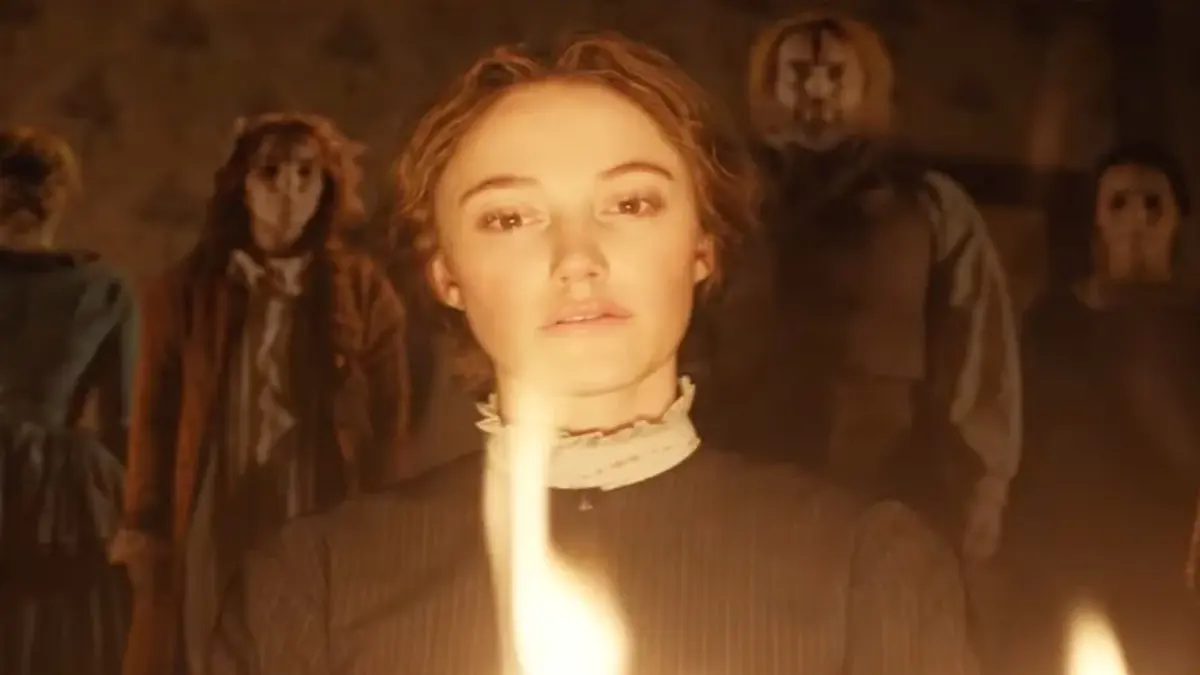
At first glance, the teaser feels deceptively simple: dim candlelight, eerie Victorian interiors, unsettling masks, and a woman trapped inside what appears to be an unfolding nightmare. But beneath those striking visuals lies something far more intriguing a gothic psychological horror story that appears deeply rooted in paranoia, repression, identity, and fear.
For horror fans who appreciate films like The Witch, Crimson Peak, and Saint Maud, Victorian toxic may already feel like essential viewing.
The Return of Gothic Psychological Horror
Gothic horror has always thrived during moments of cultural uncertainty. From classic Victorian literature to modern arthouse horror, the genre reflects fears society struggles to confront openly: isolation, obsession, gender expectations, morality, and madness.
What makes Victorian toxic immediately compelling is how confidently it embraces traditional gothic horror aesthetics while still feeling modern.
The teaser uses:
- Low candlelit cinematography
- Victorian architecture and costume design
- Disturbing masked figures
- Psychological framing
- Slow burning tension
- Minimal dialogue
- Emotional ambiguity
Rather than revealing too much, the teaser weaponizes mystery. That restraint is rare in modern horror marketing, where trailers often spoil entire narratives.
Instead, Victorian toxic understands a core truth of psychological horror:
Fear becomes more powerful when audiences are forced to imagine what remains hidden.
Why the Teaser Feels So Unsettling
One reason the teaser resonates so strongly is its visual language. Every frame appears intentionally composed to create emotional discomfort.
The central image a young woman illuminated by firelight while faceless figures stand behind her instantly evokes themes of surveillance, judgment, ritual, and psychological imprisonment.
The use of masks is especially important in horror symbolism. Historically, masks represent:
- Hidden identity
- Social performance
- Fear of exposure
- Psychological fragmentation
- Ritualistic control
In gothic storytelling, masks often symbolize the tension between public behavior and private truth a recurring theme in Victorian literature itself.
That thematic layering gives Victorian toxic far more depth than standard commercial horror releases.
Victorian Horror Is Having a Major Cultural Revival
Over the past several years, gothic and Victorian-inspired horror has quietly returned to mainstream popularity.
Audiences are increasingly drawn toward stories that blend:
- Historical settings
- Psychological trauma
- Feminine rage
- Religious symbolism
- Slow burn suspense
- Atmospheric worldbuilding
Films and series succeeding within this space include:
- The Lighthouse
- The Others
- Penny Dreadful
- Nosferatu
- Pearl
The success of these projects proves audiences are hungry for intelligent horror that values atmosphere as much as shock value.
Victorian toxic appears perfectly positioned within that evolving landscape.
Feminine Anxiety and Psychological Horror
Perhaps the most fascinating element of the teaser is its emotional perspective.
The female lead appears isolated, emotionally burdened, and psychologically vulnerable. Yet there is also a subtle suggestion of transformation as if the character may become something terrifying herself.
That ambiguity matters.
Modern horror increasingly explores female psychological experiences through metaphorical storytelling. Themes like repression, social expectations, trauma, and identity crises are no longer treated as background details. They are central to the horror itself.
This approach has helped elevate horror into one of cinema’s most culturally relevant genres.
The teaser’s visual framing strongly suggests Victorian toxic may explore:
- Social confinement
- Victorian gender roles
- Emotional repression
- Mental instability
- Isolation and paranoia
- Ritualistic fear
- Psychological fragmentation
If executed effectively, the film could resonate with both mainstream horror fans and critics seeking deeper thematic substance.
Cinematography That Prioritizes Mood Over Spectacle
One of the teaser’s greatest strengths is its confidence in atmosphere.
Instead of overwhelming viewers with rapid editing or loud scares, the teaser embraces stillness and visual tension. The pacing feels deliberate, almost hypnotic.
This style reflects a growing trend in elevated horror cinema, where filmmakers prioritize emotional immersion over immediate gratification.
The warm candlelight contrasted against dark Victorian interiors creates an unsettling visual paradox:
- beautiful yet threatening
- intimate yet claustrophobic
- elegant yet deeply disturbing
That contrast is classic gothic horror.
The production design also deserves recognition. Victorian horror only works when the environment itself feels psychologically alive. Here, the mansion appears less like a setting and more like a character consuming everyone inside it.
Bleecker Street’s Reputation for Prestige Storytelling
Another reason industry observers are paying attention is the involvement of Bleecker Street.
The studio has earned credibility through carefully curated prestige releases that balance artistic filmmaking with commercial appeal.
Bleecker Street has previously supported:
- psychologically driven dramas
- independent thrillers
- character-focused storytelling
- critically respected genre films
That reputation increases confidence that Victorian toxic may deliver more than surface level horror.
For audiences tired of generic franchise filmmaking, that distinction matters.
The Rise of “Slow Fear” in Modern Horror
One major trend shaping contemporary horror is the shift from instant scares toward sustained dread.
Rather than relying exclusively on jump scares, filmmakers are increasingly creating what critics describe as slow fear anxiety that builds gradually through mood, ambiguity, silence, and emotional discomfort.
The Victorian toxic teaser leans heavily into that approach.
This strategy often leads to stronger audience engagement because viewers become psychologically active participants rather than passive observers.
Instead of simply reacting, audiences interpret.
And interpretation creates obsession.
Could Victorian toxic Become a Cult Horror Classic?
It’s still early, but the ingredients are certainly there.
Cult horror classics often share several defining characteristics:
- striking visual identity
- thematic depth
- memorable atmosphere
- ambiguous storytelling
- emotionally intense performances
- strong symbolic imagery
The teaser suggests Victorian toxic understands all of these elements.
More importantly, it feels distinct.
In an era dominated by sequels, cinematic universes, and algorithmic content, originality itself has become valuable. Audiences increasingly reward films that feel artistically confident and emotionally authentic.
If the full film maintains the teaser’s haunting tone, Victorian toxic could easily become one of the standout gothic horror releases of the year.
Final Thought
The Victorian toxic teaser doesn’t rely on excessive violence or predictable scares to make an impact. Instead, it creates something far more difficult psychological unease that lingers long after the footage ends.
Its combination of gothic aesthetics, psychological symbolism, feminist undertones, and atmospheric filmmaking positions it among the most intriguing upcoming horror titles for fans of intelligent cinema.
Whether the final film fully delivers remains to be seen, but one thing is already clear:
Victorian toxicbunderstands that true horror is rarely about monsters.
It’s about the darkness quietly waiting beneath the surface of human identity.
SOURCE: Bleecker Street, IMDb, Rotten Tomatoes, Letterboxd Horror Cinema, No Film School, IndieWire, Collider, BFI
Keep in Touch For More Updates: www.buzzwithriz.com
Table of contents
- The Return of Gothic Psychological Horror
- Why the Teaser Feels So Unsettling
- Victorian Horror Is Having a Major Cultural Revival
- Feminine Anxiety and Psychological Horror
- Cinematography That Prioritizes Mood Over Spectacle
- Bleecker Street’s Reputation for Prestige Storytelling
- The Rise of “Slow Fear” in Modern Horror
- Could Victorian toxic Become a Cult Horror Classic?
- Final Thought

3 Comments
Pingback: Alina Boz Wins First Theater Award for Palamut Zamanı
Pingback: Murat Ünalmış Leads Show TV’s New Drama “Eski Masal”
Pingback: Victorian Psycho Official Trailer | Bleecker Street