

Few stories in cinematic history have captured the tension between genius and envy as powerfully as Amadeus. With the release of the Amadeus (2026) Official Trailer by STARZ, audiences are once again invited into the opulent yet emotionally volatile world of 18th-century Vienna. As someone who has closely followed both historical dramas and adaptations of classical music narratives, this revival feels less like a remake and more like a reinterpretation for a new generation.
The 2026 version promises to blend historical authenticity with modern cinematic storytelling, raising an important question: can it live up to the legacy while offering something new?
A First Look at the Amadeus (2026) Trailer
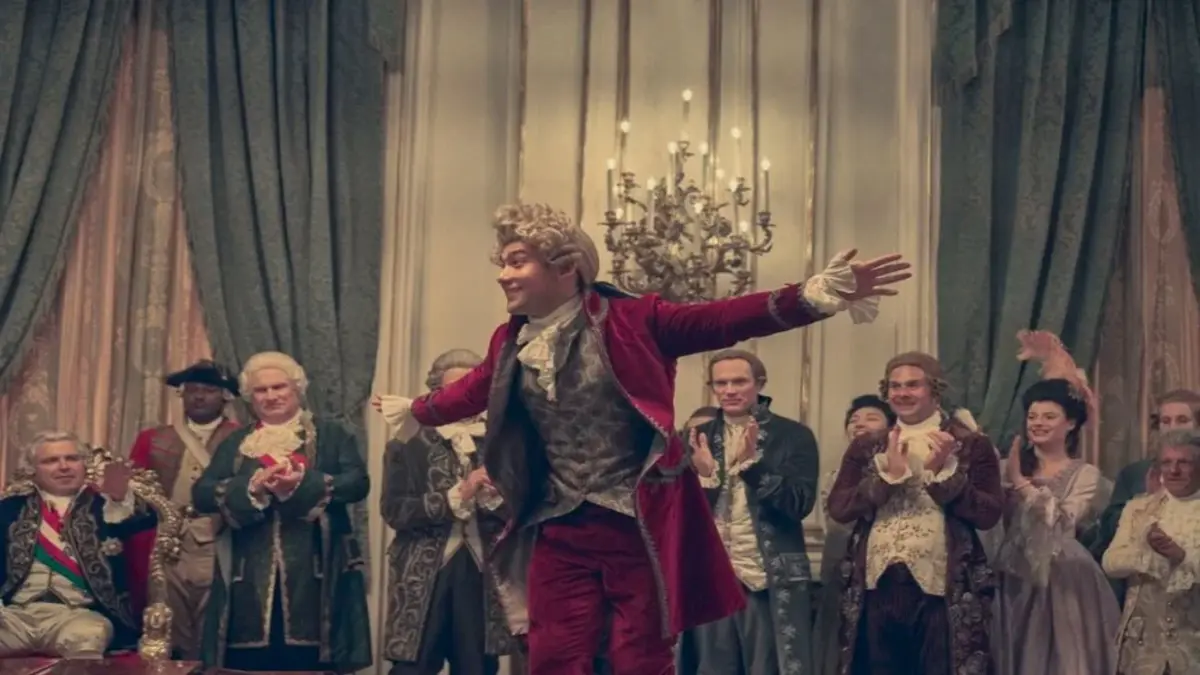
The trailer immediately establishes a lavish tone. Rich interiors, candlelit halls, and period accurate costumes immerse viewers in the aristocratic world of classical Europe. The central figure a charismatic yet unpredictable Mozart commands attention, while the supporting cast reflects a society obsessed with status, talent, and divine favor.
What stands out is the emotional intensity. Unlike earlier adaptations, this version leans heavily into psychological storytelling. The rivalry between Mozart and Salieri is not just professional it feels deeply personal and existential.
Key Visual Highlights:
- Grand palace interiors reflecting aristocratic power
- Dramatic lighting emphasizing emotional conflict
- Intricate costume design rooted in 18th-century realism
- Subtle yet powerful musical cues hinting at Mozart’s genius
More Than Just a Biopic
While rooted in historical events, Amadeus (2026) appears to move beyond a traditional biographical narrative. The trailer suggests a layered story exploring:
1. Genius vs. Mediocrity
The central theme remains the same: what does it mean to witness brilliance you cannot match? The portrayal of Salieri seems more nuanced, potentially offering a deeper psychological exploration of envy.
2. Divine Inspiration vs. Human Struggle
Mozart is depicted as both gifted and flawed a man torn between divine talent and human vulnerability.
3. Power, Politics, and Patronage
The influence of royal courts and elite patrons plays a crucial role, highlighting how art was shaped by power structures.
Cinematic Direction and Visual Language
The direction in the trailer signals a shift toward modern storytelling techniques while maintaining period authenticity. The pacing feels tighter, and the emotional beats are more immediate compared to earlier adaptations.
What Makes It Stand Out:
- Dynamic camera movement enhancing dramatic tension
- High-definition production design elevating realism
- Layered sound design blending orchestral music with dialogue
This suggests a film that respects its roots but is tailored for contemporary audiences.
Cast and Performances: A Fresh Interpretation
Although the trailer does not reveal full character arcs, the performances already hint at depth and complexity. The actor portraying Mozart brings a mix of charm, arrogance, and vulnerability key traits essential to the role.
Salieri, on the other hand, appears more introspective. His internal conflict is central to the story, and early impressions suggest a performance grounded in emotional realism.
Historical Accuracy vs. Artistic License
One of the most debated aspects of any Amadeus adaptation is its relationship with history. The original film famously took liberties with facts to enhance drama.
What to Expect in 2026:
- Greater emphasis on historical detail
- More balanced portrayal of Mozart and Salieri
- Retention of dramatic elements for storytelling impact
This balance is crucial for appealing to both history enthusiasts and general audiences.
Why Amadeus Still Matters Today
In an era dominated by fast-paced content, the story of Mozart remains deeply relevant. It speaks to universal themes:
- The pressure to succeed
- The fear of inadequacy
- The search for meaning in creative work
The 2026 adaptation taps into these timeless struggles, making it resonate with modern viewers.
Strengths of the Trailer
1. Strong Visual Identity
The film clearly establishes its tone and setting within seconds.
2. Emotional Depth
Characters feel complex and layered, not one dimensional.
3. Modern Appeal
Despite its historical setting, the storytelling feels accessible.
Potential Challenges
No film is without risks, and Amadeus (2026) faces a few:
- Comparisons to the original masterpiece
- Balancing historical accuracy with entertainment
- Meeting high audience expectations
Expert Insight: Can It Succeed?
From a critical standpoint, the success of this adaptation will depend on its ability to:
- Offer a fresh perspective rather than replicate the original
- Develop strong character arcs
- Maintain emotional authenticity
If executed well, it could redefine how classical music stories are told on screen.
Final Thought
The upcoming Amadeus (2026) isn’t just revisiting a classic it’s attempting to reinterpret the fragile line between brilliance and obsession for a modern audience. While comparisons to Amadeus are inevitable, this version shows early signs of carving its own identity through emotional depth, refined visuals, and a more psychologically layered narrative.
If it successfully balances historical authenticity with compelling storytelling, it could become one of the most talked-about historical dramas of the decade reminding us that the story of genius, envy, and legacy never truly goes out of style.
SOURCE: STARZ, IMDB, wikipedia, TV Insider, Variety
Keep in Touch For More Updates: www.buzzwithriz.com
Table of contents
- A First Look at the Amadeus (2026) Trailer
- Key Visual Highlights:
- More Than Just a Biopic
- 1. Genius vs. Mediocrity
- 2. Divine Inspiration vs. Human Struggle
- 3. Power, Politics, and Patronage
- Cinematic Direction and Visual Language
- What Makes It Stand Out:
- Cast and Performances: A Fresh Interpretation
- Historical Accuracy vs. Artistic License
- What to Expect in 2026:
- Why Amadeus Still Matters Today

1 Comment
Pingback: Simge Sağın Investigation Update: Release and Statement