

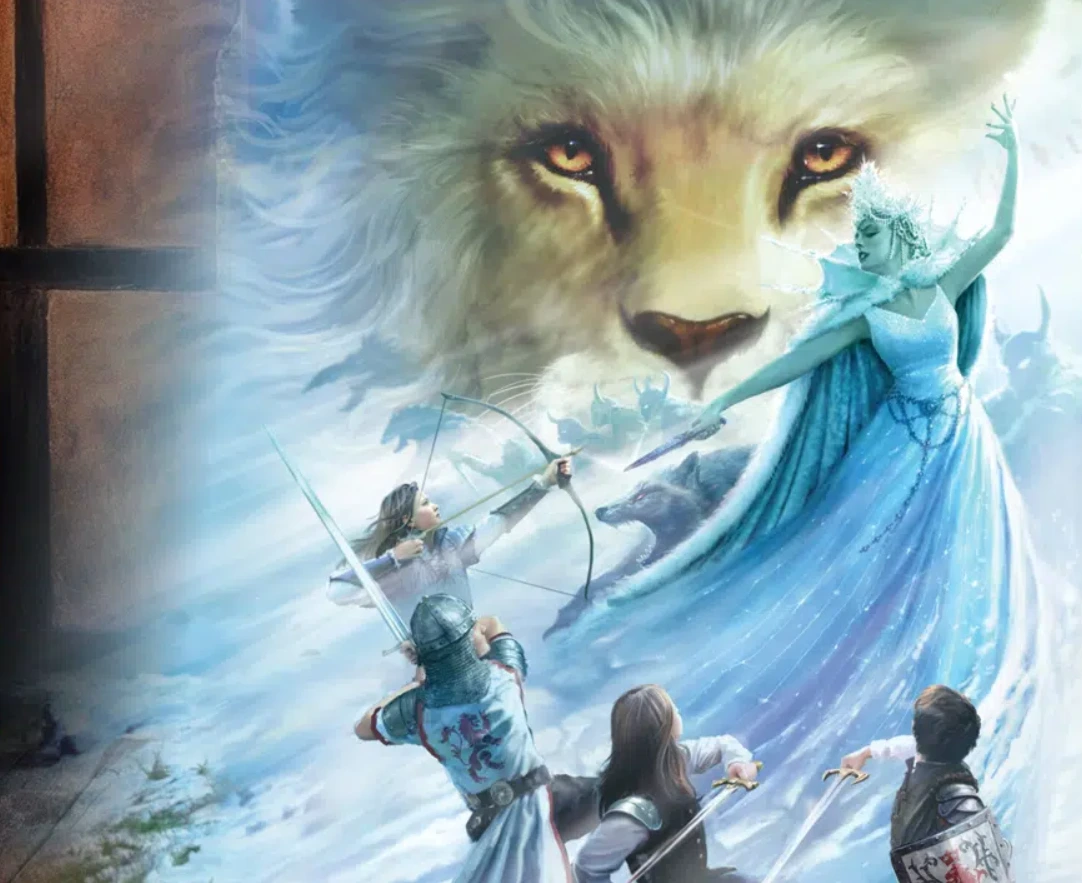
Narnia: The Magician’s Nephew Origins, Symbolism, and the Hidden Depth Behind the Beginning.
Introduction: Why This Story Still Matters
When readers first step into The Chronicles of Narnia, many begin with The Lion, the Witch and the Wardrobe. But those who circle back to The Magician’s Nephew quickly realize something profound this is where everything truly begins.
Written by C.S. Lewis and published in 1955, The Magician’s Nephew serves as the origin story of Narnia. It answers questions fans didn’t even know they had: Where did the wardrobe come from? Who is the White Witch? Why does Narnia exist at all?
This analysis draws on literary context, historical background, and thematic interpretation to give you a deeper, clearer understanding whether you’re revisiting Narnia or discovering it for the first time.
The True Beginning of Narnia
Unlike other entries in the series, The Magician’s Nephew is not just an adventure it is a creation myth.
The story follows two children:
- Digory Kirke
- Polly Plummer
Through Digory’s eccentric and morally questionable uncle, Andrew Ketterley, they are transported into different worlds using magical rings. This journey ultimately leads them to witness the creation of Narnia itself, sung into existence by Aslan.
The Creation Scene: More Than Fantasy
One of the most powerful scenes in the book is Narnia’s creation.
Aslan, the great lion, doesn’t build Narnia he sings it into existence.
Why this matters:
- It reflects biblical creation themes (“In the beginning was the Word”)
- It emphasizes creation through harmony, not force
- It sets the moral foundation of Narnia: order, beauty, and intention
This moment is not just visually poetic it defines the philosophical backbone of the entire series.
Character Analysis: Digory Kirke’s Moral Journey
Digory is not a typical hero. His motivations are deeply personal.
His internal conflict:
- His mother is dying
- He is tempted to use magic selfishly
- He must choose between obedience and desire
This makes his journey far more human and relatable.
Key takeaway:
Digory’s choice to follow Aslan’s instructions despite temptation becomes a defining moral moment.
This act eventually leads to:
- The planting of the tree that protects Narnia
- The creation of the wardrobe seen in later books
The White Witch: Evil Before Narnia
Before becoming Narnia’s tyrant, the White Witch Jadis comes from another dying world: Charn.
What makes her unique:
- She represents unchecked power
- She destroys her own world to remain dominant
- She brings corruption into a newly created Narnia
Her presence introduces a critical theme:
Evil is not created “it is introduced through choice and ambition.”
Symbolism and Deeper Meaning
C.S. Lewis was a master of layered storytelling. Beneath the fantasy lies rich symbolism.
1. The Forbidden Bell
- Represents temptation and curiosity
- Digory’s choice to ring it triggers irreversible consequences
2. The Apple
- Echoes the Garden of Eden
- Symbolizes temptation vs obedience
3. The Wood Between the Worlds
- A neutral, dreamlike space
- Represents transition, possibility, and moral ambiguity
Themes That Define the Story
Creation and Responsibility
Creation comes with responsibility. Digory’s actions directly impact the birth of Narnia.
Temptation and Choice
Every major turning point is driven by a choice often a difficult one.
Good vs Evil (Origins)
Unlike other Narnia books, this one shows how evil enters a perfect world.
How It Connects to the Larger Narnia Timeline
This book fills crucial gaps:
- The wardrobe’s origin is explained
- Professor Kirke (Digory) gains depth
- The White Witch’s backstory is revealed
It transforms the entire series from a simple fantasy into a fully interconnected universe
Why Modern Readers Still Connect
Even decades later, The Magician’s Nephew resonates because:
- It explores ethical dilemmas still relevant today
- It balances fantasy with emotional realism
- It rewards both casual readers and deep analysts
In an era of cinematic universes and complex storytelling, this book feels surprisingly modern.
Why This Topic Matters
Search demand for terms like:
- Narnia origin story explained
- Magician’s Nephew summary and analysis
- C.S. Lewis symbolism Narnia
…continues to grow, especially with renewed interest in fantasy adaptations.
FAQ
Q: Is The Magician’s Nephew the first Narnia book?
A: Chronologically, yes. It is the origin story of Narnia.
Q: What is the main theme?
A: Creation, temptation, and moral responsibility.
Q: Who is Digory Kirke?
A: A central character who later becomes the Professor in The Lion, the Witch and the Wardrobe.
Final Thoughts
The Magician’s Nephew is more than a prequel it is the philosophical and emotional foundation of Narnia. It challenges readers to think about choice, consequence, and creation in ways that feel both timeless and deeply personal.
For those willing to look beyond the surface, it offers something rare:
A fantasy story that quietly asks real-world questions.
SOURCE
- Netflix
- IMDB
Keep in Touch For More Updates: www.buzzwithriz.com

2 Comments
Pingback: The House of the Spirits: Trailer Breakdown and First Impressions - buzzwithriz.com
Pingback: Ragıp Savaş Joins TRT’s Canvermezler Turky Drama