

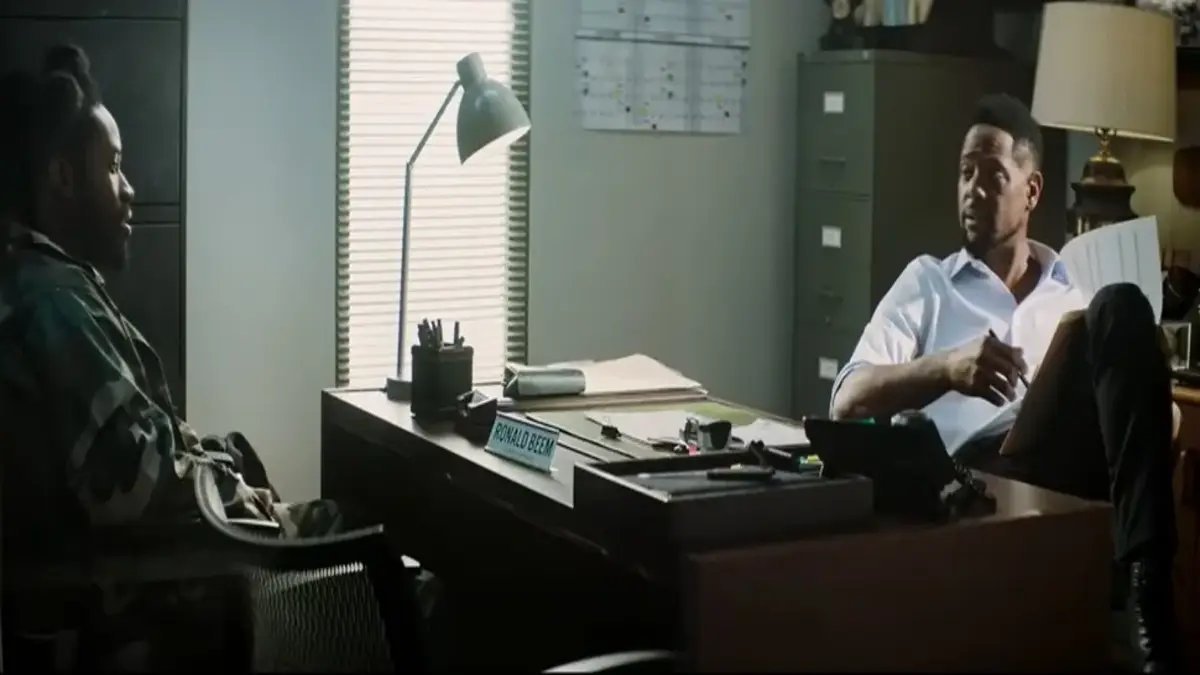
The release of the official trailer for One Spoon of Chocolate has immediately sparked conversation among film critics, cinema enthusiasts, and fans of modern crime storytelling. Presented by Quentin Tarantino and written by hip-hop icon and filmmaker RZA, the film hints at a powerful blend of social commentary, gritty neo-noir atmosphere, and character-driven storytelling.
For audiences familiar with Tarantino’s cinematic influence or RZA’s previous work in film and music, the collaboration signals something ambitious: a movie that could sit at the intersection of independent filmmaking, cultural commentary, and modern crime thriller storytelling.
In this detailed breakdown, we explore what the trailer reveals about the film’s tone, narrative direction, cinematography, and its potential place in contemporary cinema.
A Story That Feels Personal and Political
Even in its short runtime, the trailer for One Spoon of Chocolate establishes a narrative that appears both deeply personal and socially charged.
The central premise suggests a story about a man who relocates to a small town in search of peace but quickly finds himself entangled in a tense conflict involving authority, injustice, and survival.
While the trailer avoids revealing the full plot, the dialogue hints at themes such as:
- institutional power
- racial tension
- moral accountability
- the cost of retaliation
These themes place the film firmly within the tradition of modern social crime dramas, where personal struggle becomes a reflection of larger societal issues.
This storytelling approach echoes the style of films that use crime narratives to explore deeper cultural dynamics something audiences increasingly expect from serious independent cinema.
Tarantino’s Influence Without Being a Tarantino Film
Although Tarantino presents the film, the trailer suggests that One Spoon of Chocolate is not trying to imitate the director’s signature formula. Instead, the influence appears more subtle.
Certain elements still feel familiar to fans of Tarantino inspired cinema:
- slow-burn tension in dialogue scenes
- stylized framing and character introductions
- carefully paced dramatic confrontations
But the film appears to lean more toward psychological intensity and realism rather than stylized spectacle.
That distinction matters. Instead of the hyper-violent spectacle sometimes associated with Tarantino’s own movies, this trailer emphasizes atmosphere, unease, and character psychology.
This approach could make the film stand out in the current landscape of crime thrillers.
RZA’s Screenwriting Voice
RZA has long been known as a creative force beyond music. Over the years he has worked as a director, composer, and storyteller across multiple mediums.
His writing style often blends:
- philosophical undertones
- cultural identity themes
- stylized dialogue
- martial arts and urban storytelling influences
In One Spoon of Chocolate, the trailer suggests a more grounded narrative than some of his previous projects.
The dialogue feels restrained and deliberate, which may reflect a shift toward serious dramatic storytelling rather than genre spectacle.
If the full film follows this tone, it could represent one of RZA’s most mature cinematic works.
Visual Language and Cinematography
One of the most striking aspects of the trailer is its visual composition.
The film seems to rely heavily on natural lighting and grounded interior spaces, creating a sense of realism that strengthens the tension.
Key visual motifs seen in the trailer include:
- dimly lit offices and interrogation settings
- tight framing that emphasizes emotional pressure
- muted color palettes that evoke isolation
These stylistic choices align with the aesthetic tradition of neo-noir crime cinema, where mood and atmosphere often carry as much narrative weight as dialogue.
Rather than flashy visuals, the film appears to prioritize psychological intensity and subtle emotional cues.
The Power of Silence and Dialogue
One interesting aspect of the trailer is its pacing.
Many modern trailers rely on rapid editing and explosive action. One Spoon of Chocolate does the opposite.
The editing allows for quiet moments of tension, where characters exchange words that feel loaded with meaning.
This deliberate pacing may signal a film built around character confrontation rather than spectacle.
In cinematic storytelling, these restrained moments often become the most memorable because they invite audiences to read between the lines.
Cultural Context and Social Commentary
From what the trailer suggests, the film may also explore themes of power, justice, and identity.
Crime dramas have historically been used as vehicles for examining broader social realities. Films like these often resonate because they mirror real-world tensions while telling deeply human stories.
If One Spoon of Chocolate follows this tradition, it could become part of a growing wave of cinema that blends genre storytelling with cultural reflection.
That combination has proven powerful in recent years, especially when filmmakers approach the subject matter with authenticity and nuance.
Why the Trailer Is Generating Buzz
There are several reasons why the film’s trailer has quickly gained attention:
1. The Creative Team
The combination of RZA’s storytelling perspective and Tarantino’s presenting credit immediately attracts cinephile interest.
2. The Film’s Tone
The trailer promises a serious, grounded crime story rather than an exaggerated action film.
3. Mystery
The marketing keeps much of the plot hidden, which naturally fuels curiosity.
4. Visual Identity
The film’s aesthetic feels distinctive compared with mainstream Hollywood thrillers.
What the Trailer Doesn’t Reveal Yet
Good trailers often leave important questions unanswered.
For One Spoon of Chocolate, audiences are still wondering:
- What exactly triggered the central conflict?
- Is the story about revenge, justice, or survival?
- How far will the protagonist go once pushed to the edge?
By withholding these answers, the trailer successfully builds intrigue without spoiling the film’s emotional arc.
The Potential Impact on Independent Cinema
If the film delivers on its promise, it could become an important addition to the modern independent crime genre.
Movies that combine authentic social themes with strong character storytelling often gain critical attention and festival recognition.
Additionally, films presented by high-profile creators frequently open doors for new voices in cinema.
This dynamic could help the project reach both mainstream audiences and independent film enthusiasts.
Final Thoughts
One Spoon of Chocolate already feels like more than just another crime thriller. From the trailer alone, the film hints at a powerful blend of character-driven storytelling, social tension, and a grounded neo-noir atmosphere that could resonate with both critics and audiences. With RZA’s thoughtful writing approach and the presenting influence of Quentin Tarantino, the project carries a creative pedigree that naturally raises expectations.
What makes the film particularly intriguing is its apparent focus on quiet intensity rather than spectacle. The trailer suggests a story built on moral conflict, psychological pressure, and the complicated relationship between justice and revenge elements that often define the most memorable crime dramas.
If the full film delivers on the mood and thematic depth teased in the trailer, One Spoon of Chocolate could emerge as one of the most compelling independent crime films of its release year. For viewers who appreciate cinema that blends social commentary, strong performances, and atmospheric storytelling, this is definitely a title worth keeping on the radar.
SOURCE: The Hollywood Reporter, Variety, IndieWire, American Film Institute, IMDB
Keep in Touch For More Updates: www.buzzwithriz.com
Table of contents
- A Story That Feels Personal and Political
- Tarantino’s Influence Without Being a Tarantino Film
- RZA’s Screenwriting Voice
- Visual Language and Cinematography
- The Power of Silence and Dialogue
- Cultural Context and Social Commentary
- Why the Trailer Is Generating Buzz
- 1. The Creative Team
- 2. The Film’s Tone
- 3. Mystery
- 4. Visual Identity
- What the Trailer Doesn’t Reveal Yet
- The Potential Impact on Independent Cinema
