

In a cinematic landscape dominated by superhero spectacles and large-scale franchises, emotionally grounded human stories still carry immense power. The official trailer for Preschool (2026) hints at exactly that kind of storytelling intimate, heartfelt, and deeply relatable.
Released by Paramount Pictures, the trailer offers only brief glimpses into the narrative, yet those few moments suggest a moving exploration of family, parenthood, healing, and the fragile hope that follows life’s most difficult moments.
Rather than relying on spectacle, the film appears to lean into character-driven storytelling, the kind that resonates with audiences long after the credits roll. In this article, we’ll break down everything revealed in the trailer from story hints and emotional themes to the potential cultural impact of the film.
If the trailer is any indication, Preschool (2026) may become one of the most emotionally resonant family dramas of the year.
A Trailer Built on Emotion, Not Spectacle
Unlike many modern film trailers that bombard viewers with fast cuts and dramatic reveals, the Preschool trailer unfolds slowly. Its pacing feels deliberate almost reflective.
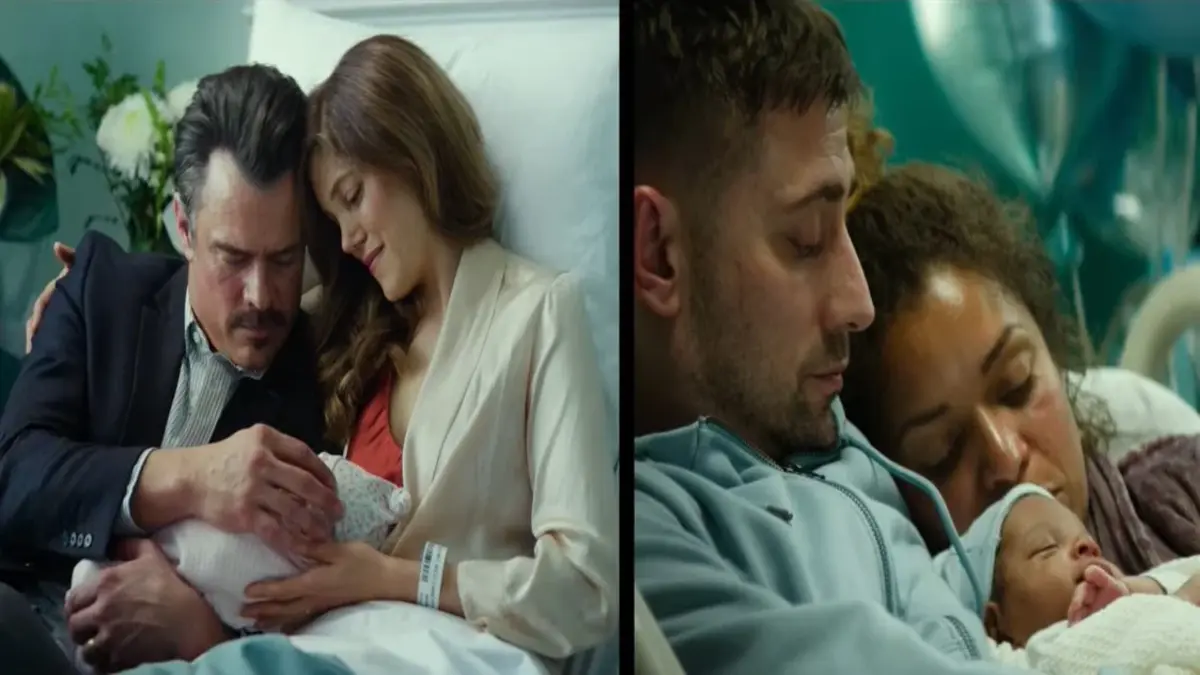
The opening images show a quiet hospital setting, a newborn child, and two parents experiencing the fragile joy that comes with new life. The camera lingers on subtle gestures: a father holding a baby’s tiny hand, a mother resting her head on her partner’s shoulder.
These quiet moments are powerful because they mirror real life.
Instead of dramatizing parenthood with exaggerated emotional beats, the trailer suggests a story grounded in authenticity one that captures the vulnerability and uncertainty of raising a child.
Key Emotional Signals in the Trailer
Several visual cues hint at the film’s emotional core:
- Hospital scenes suggesting a complicated birth
- Moments of parental exhaustion and tenderness
- A contrast between hope and quiet anxiety
- Subtle tension between the characters
These moments point toward a narrative centered on the emotional realities of early parenthood, an experience that millions of families recognize.
Parenthood as Transformation
One of the most striking aspects of the trailer is how it portrays parenthood not simply as joy, but as transformation.
The story appears to focus on two couples whose lives intersect during a pivotal moment involving their newborn children. Although the trailer avoids giving away the full plot, it hints at circumstances that dramatically reshape their lives.
This narrative direction reflects a broader trend in modern cinema: family dramas exploring psychological depth rather than sentimental clichés.
The emotional tone suggests that Preschool (2026) could resonate with viewers who appreciate character-focused films such as intimate relationship dramas or stories about resilience after hardship.
Small Details That Reveal Big Meaning
Great trailers reveal more through imagery than dialogue, and Preschool does exactly that.
Lighting and Color Palette
The film’s color palette shifts noticeably between scenes:
- Soft warm tones in early hospital moments, representing hope and new life
- Muted cooler tones in later scenes, hinting at emotional struggle
This visual transition subtly suggests that the story may take a darker or more challenging turn.
Close-Up Shots
Many scenes rely on close-up framing faces, hands, small gestures. This cinematographic choice reinforces the idea that the story is deeply personal.
It invites the audience to observe emotional nuance rather than action-driven plot points.
What Could the Plot Be?
While the trailer carefully avoids revealing major details, several clues suggest possible directions for the narrative.
1. A Shared Hospital Experience
Both couples appear in the same hospital environment. This raises questions:
- Are the families connected through a medical event?
- Could the story revolve around complications during childbirth?
2. Parallel Journeys of Parenthood
The editing style intercuts between two couples caring for newborns. This may indicate parallel narratives two families experiencing very different emotional outcomes.
3. Themes of Loss and Healing
A subtle shift in tone later in the trailer suggests that one family may face unexpected tragedy.
If this interpretation proves correct, the film could explore:
- grief and recovery
- emotional resilience in families
- the meaning of parenthood beyond biological connections
These themes often resonate deeply with audiences because they reflect genuine human experiences.
Why Paramount Is Betting on Character-Driven Drama
Over the past decade, Paramount Pictures has expanded its slate beyond blockbuster franchises into prestige storytelling and emotionally grounded cinema.
Films centered on personal stories often perform strongly during awards seasons and critical discussions. If Preschool (2026) delivers the emotional depth suggested by its trailer, it could become:
- a festival favorite
- a critical success
- a conversation starter about modern parenthood
In a streaming-dominated entertainment era, theatrical dramas that connect emotionally can still attract strong audience engagement.
Why Parenting Stories Matter Right Now
Stories about family and parenting are becoming increasingly important in modern film narratives.
Today’s audiences often seek relatable human stories that reflect real life challenges. Topics such as:
- parental anxiety
- family resilience
- work-life balance
- emotional healing after trauma
have become central themes in contemporary storytelling.
This makes Preschool (2026) particularly timely.
The film seems poised to explore the complex emotional realities of raising children in an uncertain world, something many viewers will instantly recognize.
Trailer Reception and Early Audience Reactions
Although the trailer has only recently circulated online, early reactions across film discussion communities highlight several positive impressions.
Viewers frequently mention:
- the authentic emotional tone
- strong performances suggested by the trailer
- the cinematography and quiet storytelling style
These reactions indicate growing interest in the film, particularly among audiences who appreciate thoughtful drama rather than formulaic storytelling.
What Could Make Preschool (2026) Stand Out
If the final film delivers on the promise of the trailer, several factors could set it apart.
1. Authentic Emotional Storytelling
Films that capture genuine human experiences often resonate far beyond their theatrical release.
2. Strong Performances
The intimate nature of the scenes suggests that acting will be central to the film’s success.
3. Relatable Themes
Parenthood, love, fear, and hope are universal emotions that cross cultural boundaries.
Final Thoughts
The official trailer for Preschool (2026) suggests a film that prioritizes emotional truth over spectacle.
Instead of flashy visuals or high concept storytelling, the movie appears to focus on something far more profound: the fragile beauty of family life and the unpredictable journeys that shape it.
If executed well, Preschool could become one of the most talked-about family drama films of 2026, appealing to audiences who value meaningful storytelling and emotional authenticity.
For viewers seeking cinema that reflects real human experiences, this film is definitely one to watch.
Sources
Paramount Pictures, Paramount Pictures Official YouTube Channel, IMDb
Rotten Tomatoes, Metacritic Critic Score & Analysis, Variety Film Industry News, The Hollywood Reporter
Keep in Touch For More Updates: www.buzzwithriz.com
Table of contents
- A Trailer Built on Emotion, Not Spectacle
- Key Emotional Signals in the Trailer
- Parenthood as Transformation
- Small Details That Reveal Big Meaning
- Lighting and Color Palette
- Close-Up Shots
- What Could the Plot Be?
- 1. A Shared Hospital Experience
- 2. Parallel Journeys of Parenthood
- 3. Themes of Loss and Healing
- Why Paramount Is Betting on Character-Driven Drama
- Why Parenting Stories Matter Right Now
- Trailer Reception and Early Audience Reactions
- What Could Make Preschool (2026) Stand Out
- 1. Authentic Emotional Storytelling
- 2. Strong Performances
- 3. Relatable Themes
- Final Thoughts
- Sources
