

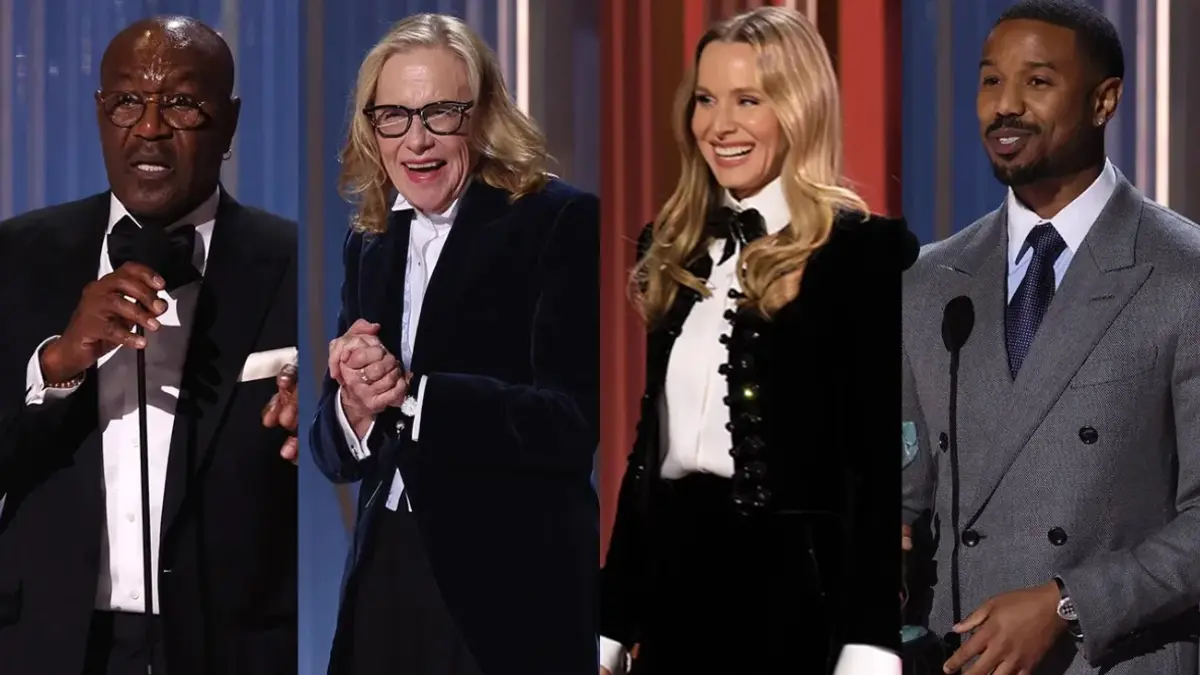
I Am an Actor 32nd SAG Awards analysis here, Every awards season delivers glamour, applause, and viral soundbites but only a few moments linger long after the applause fades. At the 32nd SAG Awards, the phrase “I Am an Actor” cut through the ceremony’s polish and landed with emotional clarity. It wasn’t just a line it felt like a collective affirmation of craft, resilience, and belonging within the acting community.
Unlike curated acceptance speeches that chase quotable headlines, this moment resonated because it felt unfiltered. It reminded audiences that acting is not simply fame it’s labor, vulnerability, discipline, and years of invisible work. In an industry shaped by trends and algorithms, the simplicity of claiming one’s identity felt quietly radical.
This article offers an expert analysis of why this moment mattered, how it reflects broader industry shifts, and what it signals about the future of performance, representation, and peer recognition at the SAG Awards.
The Power of Peer Recognition at the SAG Awards
The SAG Awards hold a unique place in Hollywood. Voted on by fellow actors, the ceremony is less about industry optics and more about craft recognized by peers. That context matters. When actors speak here, they speak to colleagues who understand the grind: auditions that go nowhere, roles that barely pay, the emotional toll of rejection, and the discipline required to show up anyway.
That’s why moments like “I Am an Actor” land harder at SAG than at any other awards show. The room knows exactly what that sentence carries years of uncertainty, persistence, and belief in storytelling as a profession.
Added value for readers:
- Peer-voted awards validate skill beyond box office numbers.
- SAG recognition often predicts long-term career credibility.
- Emotional authenticity at SAG speeches tends to resonate more deeply with industry professionals.
“I Am an Actor” as a Cultural Statement
At face value, the phrase is simple. Culturally, it’s loaded. In an era of multi-hyphenate identities actor-producer-influencer-brand ambassador claiming “I am an actor” centers the craft again. It reframes success around performance, not just visibility.
This matters especially for emerging performers who feel pressured to monetize every platform before they’ve had space to refine their art. The moment subtly pushed back against that pressure. It said: the work itself is still the point.
Why it resonated globally:
- It validated underrepresented performers still fighting for space.
- It honored the profession in a time of rapid content churn.
- It reminded audiences that acting is labor, not just celebrity.
Representation and Belonging in Today’s Industry
The modern acting landscape is more diverse than it has ever been and still uneven. Moments like this resonate because they acknowledge how far the industry has come while quietly spotlighting how far it still needs to go.
Representation isn’t just about who wins; it’s about who feels seen in the room. The phrase “I Am an Actor” echoes differently for performers who’ve historically been typecast, sidelined, or excluded. For many, it’s a declaration of belonging within a system that didn’t always make room for them.
Expert insight:
Representation shifts when language changes. Naming oneself publicly on a stage watched by millions helps normalize presence and agency. This is how cultural narratives move: one declaration at a time.
The Craft Behind the Curtain
What audiences often miss is how much discipline lives behind a few seconds of screen time. Acting is technical: breath control, physicality, emotional recall, blocking, continuity. The speech moment resonated because it honored the invisible work.
Professional actors spend years learning how to listen on camera, how to modulate stillness, how to hold a scene without dialogue. The phrase “I Am an Actor” becomes shorthand for mastery earned over time not overnight virality.
Reader value:
If you’re an aspiring performer, this moment validates the long road. If you’re a fan, it offers a lens into why great performances feel effortless they aren’t.
Why These Moments Matter More Now
Streaming has reshaped visibility. Algorithms decide discovery. Awards ceremonies now compete with short-form content for attention. In this environment, human moments stand out more than spectacle.
This is why the 32nd SAG Awards moment spread organically:
- It was emotionally authentic.
- It cut through curated branding.
- It reflected shared experience among artists.
Analytical takeaway:
As the industry decentralizes, collective identity becomes more valuable. Public affirmations of craft strengthen community trust in a fragmented media ecosystem.
What This Means for the Future of Acting
Moments like this hint at a recalibration. As technology accelerates content creation, audiences crave sincerity. As careers fragment across platforms, artists crave identity rooted in craft. The simple declaration “I Am an Actor” becomes a rallying point.
Expect future awards moments to lean less on spectacle and more on meaning. The industry is hungry for authenticity. And authenticity, when shared publicly, builds trust between artists and audiences.
Final Thought
The beauty of the “I Am an Actor” moment at the SAG Awards wasn’t in its polish it was in its honesty. In an industry often shaped by noise, metrics, and momentary trends, that simple declaration cut through everything and reminded us what still matters: the work, the craft, and the people behind the performances we love.
Moments like this don’t go viral because they’re staged. They spread because they feel true. They echo the quiet persistence of actors who keep showing up, long before the spotlight ever finds them. And for audiences, they offer something just as valuable a reminder that storytelling still begins with human vulnerability, not algorithms.
As award shows evolve and the entertainment world continues to change, these rare, genuine flashes of identity and purpose are what endure. They reconnect the industry with its heart and invite all of us to look at performance not as spectacle, but as shared experience.
Source: Screen Actors Guild Awards, SAG-AFTRA, UCLA Hollywood Diversity Report
The Hollywood Reporter, IMDB, Netflix
Keep in Touch For More Updates: www.buzzwithriz.com
