

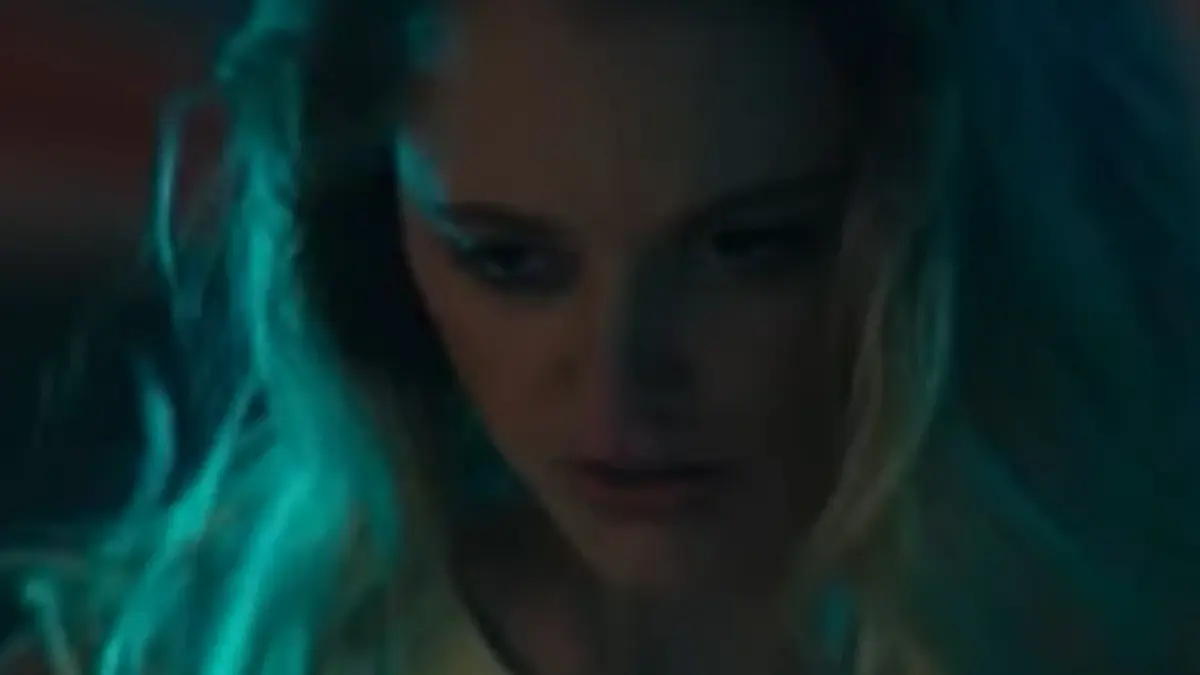
Psychological horror rarely announces itself loudly. Instead, it creeps in through silence, framing, performance, and implication. That’s exactly what makes the newly released Blood Covenant (2026) trailer so compelling. Rather than relying on jump scares or exposition-heavy reveals, the preview leans into atmosphere, restraint, and emotional unease.
From its opening moments, the trailer signals that Blood Covenant isn’t chasing trends it’s engaging in a conversation with the genre’s most enduring strengths. As someone who has spent years analyzing horror cinema, audience behavior, and evolving storytelling patterns, this trailer stands out not for what it shows, but for what it withholds.
This article offers an expert-level breakdown of the trailer, its thematic signals, cinematic language, and what it suggests about where modern horror storytelling is headed.
Trailer Overview: What We Actually See
The Blood Covenant trailer unfolds deliberately. The pacing is measured, almost meditative, allowing tension to build organically. There’s no excessive dialogue, no heavy-handed narration just fragments of moments stitched together with a mounting sense of dread.
Key observations from the trailer include:
- A muted color palette dominated by cool blues and shadow-heavy interiors
- Close-up framing that emphasizes emotional isolation
- Minimalist sound design with an unsettling ambient score
- A clear focus on psychological tension rather than overt violence
Importantly, the trailer avoids explaining its central conflict. This restraint aligns with a growing trend in elevated horror marketing, where ambiguity becomes a feature rather than a flaw.
Psychological Horror at the Core
One of the strongest impressions left by the trailer is its commitment to psychological horror over spectacle. The fear here appears internal rooted in perception, memory, and emotional fracture.
Rather than positioning horror as an external threat, Blood Covenant hints at:
- Moral consequences
- Unspoken agreements or rituals
- Emotional debts that refuse to stay buried
This approach places the film in the lineage of modern psychological thrillers that prioritize atmosphere and character over shock value. For audiences increasingly drawn to layered storytelling, this is a promising sign.
Performances: Emotion Over Exposition
Even in brief glimpses, the performances in the trailer carry significant weight. Facial expressions, pauses, and physical stillness do much of the storytelling work.
What’s notable is the absence of melodrama. Instead, the acting appears grounded and restrained qualities essential for psychological horror to feel believable. The camera frequently lingers on faces rather than action, inviting the audience to search for meaning in subtle emotional shifts.
This performance-driven approach reinforces the idea that Blood Covenant is less about monsters and more about people and the choices that haunt them.
Visual Language & Cinematography
Visually, the trailer reflects a sophisticated understanding of horror aesthetics. The cinematography favors:
- Low-key lighting to obscure rather than reveal
- Tight compositions that create emotional claustrophobia
- Slow camera movements that heighten anticipation
There’s a deliberate contrast between intimacy and distance characters appear physically close to the camera yet emotionally unreachable. This visual tension mirrors the film’s psychological themes and adds depth without requiring exposition.
Sound Design: The Invisible Storyteller
Sound is often the unsung hero of effective horror, and Blood Covenant appears to understand this fully. The trailer’s audio design avoids loud stingers in favor of subtle, unsettling layers.
Elements include:
- Distant echoes and low-frequency hums
- Strategic use of silence
- Gradual musical escalation rather than sudden cues
This auditory restraint suggests confidence in the material. The trailer trusts the audience to feel discomfort without being instructed when to react.
Genre Context: Why This Trailer Matters
The Blood Covenant (2026) trailer arrives at a moment when horror audiences are increasingly selective. Viewers are responding more strongly to films that respect their intelligence and emotional engagement.
This trailer aligns with broader industry shifts toward:
- Character-driven horror narratives
- Moral and psychological complexity
- Atmospheric storytelling over formula
Publications like Variety and The Hollywood Reporter have frequently noted the resurgence of psychological horror as a dominant subgenre Blood Covenant appears positioned squarely within that movement.
What the Trailer Ultimately Suggests
The Blood Covenant trailer doesn’t promise easy answers. Instead, it signals a film interested in consequence, emotion, and unease that lingers beyond the final frame.
If the full film follows through on what the trailer implies, audiences can expect:
- A slow-burning psychological experience
- Emotionally grounded performances
- Horror rooted in human decisions rather than spectacle
That alone makes Blood Covenant one of the more intriguing horror previews to emerge in recent memory.
Final Verdict: A Quietly Confident Horror Tease
Not every trailer needs to shout. Blood Covenant (2026) whispers and that may be its greatest strength. By trusting atmosphere, performance, and ambiguity, it positions itself as a film worth paying attention to in an increasingly crowded genre.
For fans of psychological horror and thoughtful cinema, this trailer is less a promise of fear and more an invitation to lean closer.
Source: ONE Media +, You tube
Keep in Touch For More Updates: www.buzzwithriz.com
